Shivam Dube’s Evolution as a Calculated Finisher in T20s
Shivam Dube’s Tactical Evolution: From Power-Hitter to Calculated Finisher
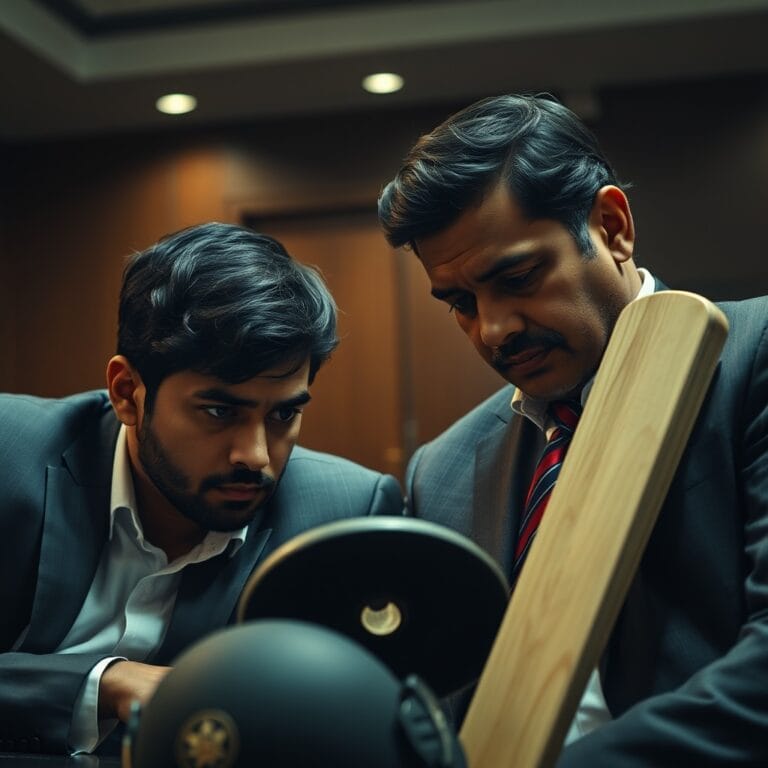
Shivam Dube’s blistering 66 off 31 balls against the Netherlands at the T20 World Cup 2026 grabbed attention, yet the real story lies beneath the surface. It’s about transformation—a young batter fine-tuning his game through mentorship and evolving strategy. His newfound proficiency against short-pitched bowling has become more than just a personal milestone; it reflects tactical maturity and team synergy.
The Stats Behind the Strategy
| Period | Average against short balls | Strike rate vs short balls |
|---|---|---|
| 2021–22 | 23.5 | 78 |
| 2023 (post-Dhoni advice) | 84.0 | 132 |
These stats reveal a dramatic shift. After receiving targeted feedback from MS Dhoni during training, Dube elevated his performance significantly. Against short balls, he now averages over 80 with a strike rate exceeding 130—an improvement that directly influenced the explosive acceleration seen in the match-winning knock.
Tactical Analysis and Team Decisions
India won the toss and chose to bat first on a high-scoring pitch at the Narendra Modi Stadium. Early setbacks left them at 74 for 3, demanding a composed response. Dube was promoted to number five, a position designed to exploit his improved handling of aggressive bowling tactics while keeping him fresh for the death overs.
He entered the crease calmly, absorbing pressure without attempting risky shots. When the Dutch introduced short balls hoping to unsettle him, Dube responded by targeting gaps, rotating strike efficiently, and waiting for the right moments to attack. A pivotal over saw him clear the ropes twice, shifting momentum decisively toward India.
Player Roles and Mindset
Dhoni’s advice—“Don’t chase big hits; focus on consistent scoring”—reshaped Dube’s mindset. Rather than swinging recklessly at every delivery, he began weighing options: single, boundary, or leave. This subtle adjustment allowed him to maintain his wicket while building partnerships crucial to India’s cause.
In effect, Dube transitioned from being solely a finisher to becoming a stabilizing force within the middle order. His alliance with Hardik Pandya added 119 runs in just under ten overs, blending caution with controlled aggression. As the innings progressed, Dube’s mastery over the short ball enabled him to pull off two decisive sixes in the final over.
Tournament Impact and What Comes Next
This victory marked India’s fourth consecutive win, placing them firmly atop Group C. Their net run-rate strengthened, thanks largely to explosive middle-order contributions like Dube’s. Going forward, his ability to absorb pressure and score quickly makes him an invaluable asset, particularly against teams known for pace-heavy attacks such as England.
The coaching staff will likely continue reinforcing drills focused on shot selection against short balls. Should Dube replicate this form consistently, he becomes a reliable buffer during early collapses, allowing openers to play freely knowing the middle order can hold fort.
Fan Perspective and Grounded Opinions
Social media reactions were divided. While many praised Dube’s evolution, skeptics questioned whether one strong showing signals long-term growth. Yet what stood out wasn’t merely the numbers—it was the visible shift in demeanor and technique. Fans recognized the influence of Dhoni’s mentorship, underscoring its impact beyond raw statistics.
To spectators watching closely, Dube’s journey represents something deeper: the power of experience guiding youth. His innings wasn’t just about hitting boundaries—it demonstrated intelligent cricket played under pressure. If sustained, this version of Shivam Dube could redefine expectations around his role in international cricket.
Cricket Desk: Want more on Associate cricket strategy? Check out our Associate cricket strategy Latest News & Stats.