Nepal vs Scotland T20 World Cup 2026 Tactical Breakdown at Wankhede
Nepal vs Scotland: A Tactical Battle at Wankhede in T20 World Cup 2026
In the final group match of the 2026 T20 World Cup, Scotland faced Nepal at Mumbai’s Wankhede Stadium, a game that turned into a showcase of reflexes and tactical churn despite both sides already out of the Super‑8 race.
The encounter carried more than just a chance to avoid a whitewash; pride, rankings and the morale of a fledgling Nepal side were on the line. Wankhede, with its short straight boundaries and a pitch that tends to flatten after the first few overs, set the stage for an early fireworks display.
Scotland won the toss and elected to bat, a logical move on a surface that traditionally rewards aggressive opening pairs. George Munsey, famed for his ability to clear the mid‑wicket rope on a flat wicket, and Michael Jones, a steady hand at the top, walked out with a clear intent: fire in the powerplay, then consolidate.
The Stats Behind the Strategy
| Player | Runs | Strike Rate | Overs Bowled | Econ | Catches |
|---|---|---|---|---|---|
| George Munsey | 45 | 165 | — | — | 0 |
| Michael Jones | 71 | 158 | — | — | 0 |
| Sompal Kami (bowl) | — | — | 4 | 6.25 | 1 |
| Brandon McMullen | 13 | 108 | — | — | 0 |
The figures reveal a clear story. Scotland’s opener Munsey ripped through the first six balls, exploiting Wankhede’s low bounce to loft short‑of‑length deliveries. Jones, aware of the need to rotate strike, anchored the innings while still finding the boundary at will. For Nepal, Kami’s three wickets for 25 runs kept the total within reach, and his one‑handed catch shifted the psychological balance.
Wankhede’s early‑overs tend to be generous for batsmen who can swing the ball, but the surface also offers a subtle seam movement after the fifth over. Nepal’s captain, recognizing this, altered his field placements at the end of the powerplay, pulling in the deep square leg and adding a sliding slip. The subtle shift forced Scotland’s middle order to play more conservatively, choking the run‑rate.
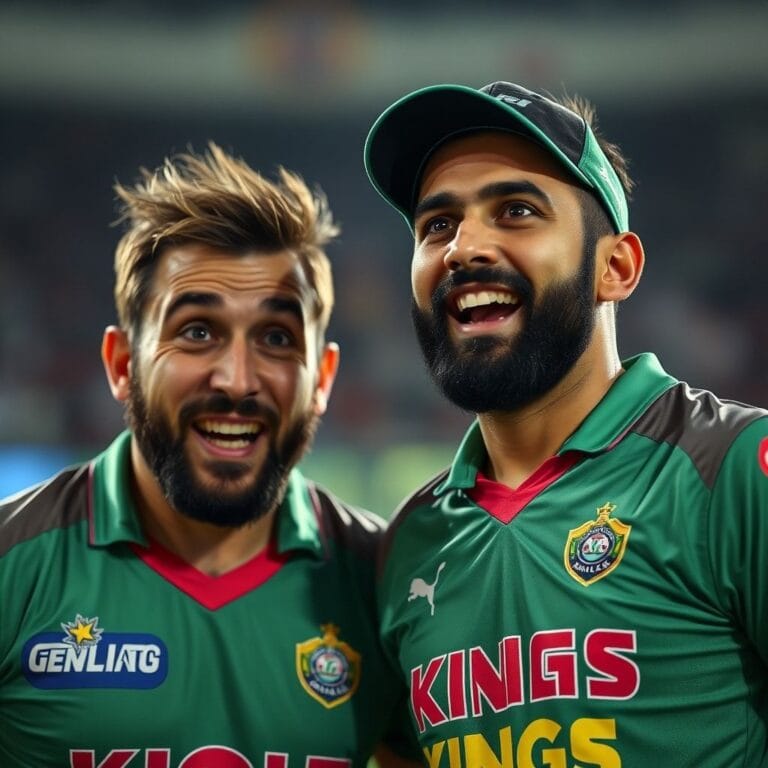
The turning point arrived in the 16th over. Brandon McMullen, looking to accelerate, mistimed a chip over Kami’s head. The bowler’s instinctive reaction—right hand outstretched, eyes on the ball—produced a one‑handed swoop that seemed to hang in mid‑air before sealing the catch. The crowds at Wankhede erupted, and the scoreboard reflected a sudden change of tide.
After that wicket, Nepal’s bowlers increased the frequency of slower‑ball variations, targeting the pads and the edges rather than sheer pace. The partnership between Munsey and Jones, which had blossomed into an 80‑run stand, began to crumble as the pressure mounted. Jones, stayed composed, hammering eight fours and three sixes in a 71‑run blitz that kept Scotland above 150.
In the final overs, Scotland managed 170 for 7. The total was respectable on a surface that usually yields 180‑190 in similar conditions, but the early dominance gave way to a middle‑order wobble that cost them crucial runs.
For Nepal, Kami’s three wickets, especially the game‑changing catch, were the highlight. His figures of 3 for 25, combined with a tidy economy of 6.25, demonstrated a blend of disciplined line and length with the occasional mystery ball. The all‑rounder also contributed 12 runs off the bat, adding depth to Nepal’s lower order.
Looking ahead, the result does little to alter the Super‑8 landscape, but it offers both teams a blueprint. Scotland’s openers have shown they can dominate a flat pitch, yet the middle order needs a clearer plan against spin and slower deliveries. Nepal, on the other hand, can take heart from Kami’s display; a single player’s impact can swing a match, especially in the high‑pressure environment of a world cup.
Fans in the stands and those watching from home reacted with a mix of admiration and sighs. Scottish supporters praised Munsey’s flamboyance but warned that reliance on a single partnership could be risky. Nepalese followers, meanwhile, hailed Kami as a national hero, a symbol that the Himalayan side can compete on the world stage.
The tournament now moves into its final phase, with the top teams battling for knockout spots. Scotland will regroup, looking to fine‑tune their middle‑order strategy before the next group encounter. Nepal, although out of contention, will carry forward the confidence built from a spirited fightback, hoping to translate that energy into future qualifiers.
In the grand tapestry of the 2026 T20 World Cup, the Wankhede clash may be a footnote, yet the drama of a one‑handed catch and the tactical chess played on a Mumbai pitch remind us why cricket remains a game of fine margins and unforgettable moments.
Explore more: Tactical Breakdown: Cricket Match Strategy Explained
Cricket Desk: Want more on T20 World Cup 2026? Check out our T20 World Cup 2026 Latest News & Stats.