India vs Pakistan T20 World Cup Clash Amid Handshake Drama
India vs Pakistan: T20 World Cup Showdown Amid Diplomatic Drama
The upcoming India‑Pakistan showdown at the refurbished Nassau County International Cricket Stadium has taken on a life of its own, blending on‑field fireworks with off‑field drama. A disputed handshake protocol has added a fresh layer of tension, turning what is already a high‑stakes T20 World Cup encounter into a diplomatic litmus test.
The Stats Behind the Strategy
| Team | Average Run Rate (RR) | Wickets Lost (per 20) | Key Bowlers (Economy) |
|---|---|---|---|
| India | 8.6 | 5.2 | Jasprit Bumrah (7.1), Arshdeep Singh (7.4) |
| Pakistan | 7.9 | 6.1 | Shaheen Afridi (7.6), Hasan Ali (8.2) |
The numbers make a clear case: India’s batting engine runs hotter, while Pakistan leans on early breakthroughs. The venue’s relatively short boundaries – 66 metres straight down the ground – favour big‑hitting, but the pitch has shown a modest seam movement in the first ten overs, rewarding disciplined bowlers.
Match context and why it matters
Group A’s 27th fixture is more than a points collector. Both sides are perched on the edge of the knockout brackets, and a win reshapes the quarter‑final map. The rivalry carries a baggage that goes beyond runs and wickets; every gesture, every stare, is dissected by pundits and fans alike.
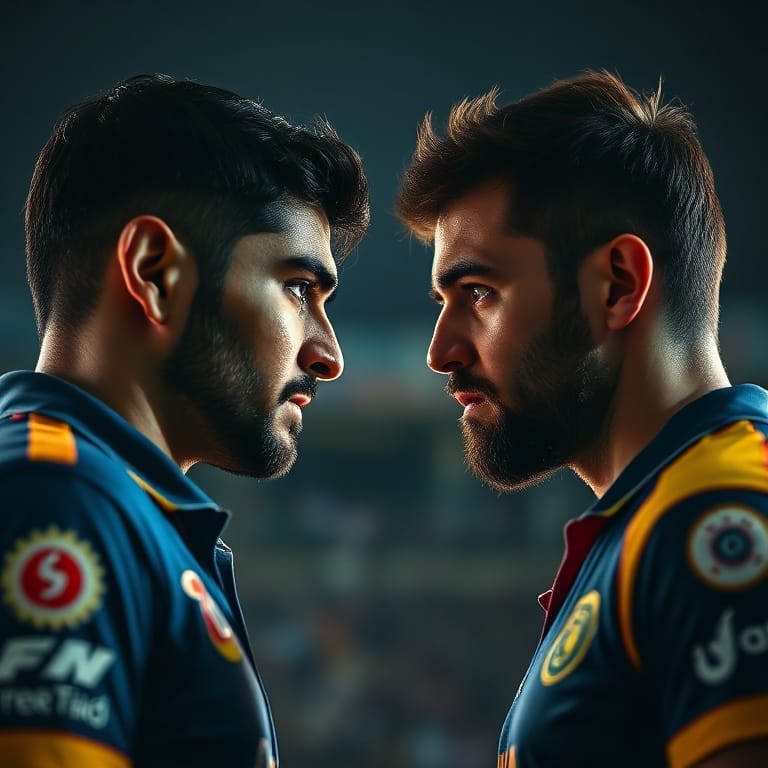
What sets this edition apart is the handshake saga that began when match referee Andy Pycroft allegedly intervened at a previous toss, informing Pakistan’s Salman Ali Agha that India’s captain Suryakumar Yadav would not be extending the traditional hand clasp. The PCB’s formal complaint and the resulting protest walk‑outs have turned the pre‑match press conference into a media circus.
Tactical analysis and team decisions
India’s line‑up reads like a blend of experience and explosive firepower. Openers Rohit Sharma and Ishan Kishan provide a left‑right combo that can clear the ropes early. In the middle order, Suryakumar Yadav’s ability to rotate strike while hunting the boundary makes him the fulcrum of the chase.
Pakistan’s strategy hinges on a two‑pronged attack. The opening pair – Mohammad Rizwan and Imam Uddin – are tasked with neutralising India’s powerplay bowlers, while the death overs will rely heavily on fast bowler Shaheen Afridi’s yorkers and spinner Shadab Khan’s variations.
Both captains have hinted at a flexible approach to the field placements. If India loses early wickets, they may slide the bowlers into a defensive line, hoping the flat surface assists the batsmen later. Pakistan, aware of Bumrah’s switch‑hit capabilities, is likely to keep a deep square-leg and short‑fine leg in place, ready to snatch any lofted shots.
Player roles and mindset
Salman Ali Agha’s measured response – “We will see about it tomorrow” – reflects a seasoned campaigner who understands the weight of symbolism. He has repeatedly stressed the “Spirit of the Game” while subtly shifting the onus to the Indian camp. His calm demeanor is a signal to his teammates that the focus must remain on the core skills, not the peripheral theatrics.
Suryakumar Yadav, on the other hand, carries the dual burden of leading a star‑studded side and setting a tone for diplomatic decorum. His past statements have emphasized respect for opponents, suggesting he may be the one to initiate a handshake if the atmosphere eases.
From a bowling perspective, Bumrah’s hallmark – bowling at a precise length with subtle seam movement – is crucial on a pitch that offers a little extra bounce. His ability to bowl accurate full tosses in the death overs can choke any late surge from Pakistan.
Shaheen Afridi’s tall frame translates into extra bounce, making him a potent threat on the Nassau surface. If he can extract a few extra metres from the deck, even a well‑set Indian batting order will have to contend with uncomfortable shot selections.
Tournament impact and what comes next
A win for India secures top‑two status in Group A, likely pairing them against a runner‑up from Group C in the quarter‑finals – a path many analysts deem favourable. Pakistan’s loss would relegate them to the lower echelons, forcing a must‑win scenario against a tougher opponent.
Beyond the points, the handshake controversy could set a precedent for future ICC events. If the two sides exchange pleasantries, it may defuse a growing diplomatic strain. A refusal, could usher in a new era where political gestures spill onto the cricketing field, prompting the ICC to revisit its code of conduct.
Fan perspective and grounded opinions
Fans on both sides are split. Social media threads echo a desire for a clean contest, with many arguing that the sport should rise above politics. Yet a vocal minority revels in the drama, treating the handshake talk as another chapter in the long‑standing saga.
Ground‑level observers note that the stadium’s renovation – new floodlights, upgraded outfield, and improved drainage – promises a visual spectacle. The crowd, a mix of expatriate South Asians and local enthusiasts, is expected to generate a deafening roar that could sway momentum.
In the end, most supporters agree on a simple truth: the players who keep their eyes on the ball and their heads cool will reap the reward. Whether the handshake happens or not, the game will be decided by runs, wickets, and the ability to handle pressure.
Looking ahead
Regardless of the outcome, the next round of matches will test the adaptability of both squads. India will likely rotate some bowlers to preserve freshness for the semis, while Pakistan must dig deep into their bench to find a winning formula. The ripple effect of this encounter will be felt throughout the knockout stage, shaping narratives for the rest of the tournament.
Cricket Desk: Want more on ICC Men's T20 World Cup? Check out our ICC Men's T20 World Cup Latest News & Stats.