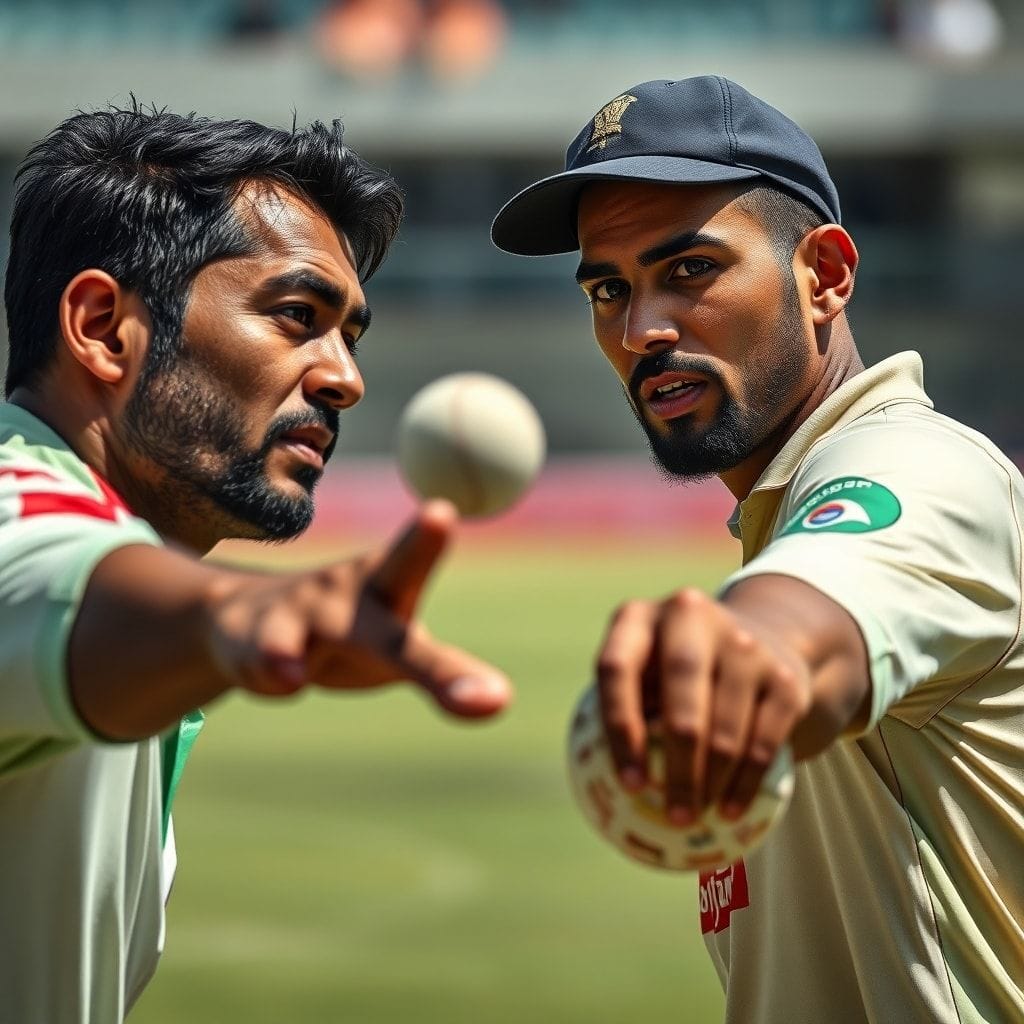
Zimbabwe’s Tactical Brilliance Outplays Oman in T20 World Cup
Zimbabwe’s Tactical Masterclass Against Oman at Colombo SSC
In Colombo’s SSC arena, Zimbabwe dismantled Oman for just 103 runs, setting the stage for a chase that seemed almost inevitable. The match mattered because it not only highlighted Zimbabwe’s tactical acumen but also underscored the widening gap between emerging sides and seasoned challengers in the T20 World Cup.
Match Context and Early Decisions
Group B’s clash began with Zimbabwe winning the toss and opting to field. The pitch, coated in a thin layer of moisture from the overnight drizzle, offered seamers early swing and later in‑play turn for spinners. Captain Sikandar Raza, a veteran with a keen eye for conditions, instructed his bowlers to attack the top of the order, trusting the seam‑friendly start.
Zimbabwe’s opening burst came from Blessing Muzarabani, who struck Jatinder Singh for a duck in the second over. His rhythm was backed by Richard Ngarava, who removed Hammad Mirza with a crisp yorker five balls later. By the end of the powerplay, Oman staggered at 24/4, a scoreboard that reflected both the bowler’s precision and the batting side’s nerves.
Key Tactical Moves
The decision to unleash a pace battery early paid dividends, yet the real turning point arrived in the seventh over. Raza, bowling his first over, set up an arm‑ball that drifted deceptively before snapping straight on the pitch. The delivery slipped between Wasim Ali’s bat and pad, crashing the off‑stump. Ali’s dismissal for just three runs epitomised the gap in experience; a young player attempting a defensive forward stroke found himself out‑foxed by a seasoned captain.
Following the early wickets, Zimbabwe rotated their bowlers to keep Oman guessing. Evans and Nadeem Khan were introduced in the middle overs, mixing slower deliveries with traditional seam. The variation forced Oman into a cautious approach, limiting boundary options and breaking any momentum built by the 25‑run stand between Sufyan Mehmood and Vinayak Shukla.
Player Roles and Mindset
Sikandar Raza’s role extended beyond captaincy; his calm demeanor and tactical awareness set the tone for the team. Knowing the pitch would slow slightly after nine overs, he kept a tight line, aiming to lock the batsmen in with a combination of flight and pace. His dismissal of Ali was as much a psychological blow as a physical one, signalling that even the opposition’s key bowler could be out‑maneuvered.
For Oman, the batting plan was to survive the first six overs and then accelerate. The early loss of openers forced a reactive mindset, where Mehmood and Shukla tried to rebuild confidence. Their partnership provided a brief glimpse of resilience, but the re‑introduction of the pace duo smothered any late‑over fireworks.
The Stats Behind the Strategy
| Overs | Runs | Wickets | Key Bowler | Economy |
|---|---|---|---|---|
| 1‑6 | 24 | 4 | Muzarabani | 4.00 |
| 7‑12 | 30 | 3 | Raza | 5.00 |
| 13‑20 | 49 | 6 | Evans | 6.14 |
The table shows that Zimbabwe’s pressure built steadily. The first six overs, despite a modest run rate, yielded four wickets, setting a tone that the middle overs amplified. Raza’s spell, though slightly pricier, delivered the pivotal wicket that turned the match on its head. The final overs saw a slight rise in runs, yet the extras remained limited to seven, reflecting disciplined fielding.
Venue‑Specific Considerations
Colombo’s SSC ground is famous for a slightly damp surface early in the day that assists seamers, then transitions to a medium‑pace track that offers turn for spinners as the game wears on. Zimbabwe’s decision to start with pace aligned perfectly with the early swing, while Raza’s arm‑ball exploited the subtle grip that develops after the ball lands on the soft top‑layer. Oman, accustomed to flatter tracks in the Gulf, found the bounce and lateral movement unfamiliar, a factor that amplified their early collapses.
Impact on the Tournament
With this win, Zimbabwe sits comfortably atop Group B, eyeing a direct qualification to the Super 12 stage. The margin of victory – chasing a modest 104 – underscores their dominance and boosts net‑run‑rate, a crucial tie‑breaker. For Oman, the loss adds pressure to their remaining matches; they must rebuild both confidence and strategy if they hope to stay in contention.
Fans’ Perspective and Grounded Opinions
Social media buzz in both nations reflected a mixture of pride and frustration. Zimbabwean supporters lauded Raza’s captaincy, calling the arm‑ball “masterclass” and praising the bowlers’ discipline. Omani fans, while sympathetic to the learning curve, emphasized the need for more exposure to varied conditions, noting that the team’s strength lies in its aggressive batting which was stifled by the early wickets.
In the stands, the crowd’s reaction to the Raza‑Ali dismissal was palpable – a collective gasp followed by a wave of applause for the cunning delivery. Such moments fuel the narrative of a seasoned side outwitting a rising underdog.
What Comes Next?
Zimbabwe’s next Group B fixture pits them against a stronger opponent, meaning the team must maintain the intensity displayed in Colombo. The coaching staff is likely to fine‑tune the balance between pace and spin, ensuring the bowlers can adapt if the pitch offers less assistance.
Oman, on the other hand, will head into a crucial match where a solid start is essential. Adjusting to the pitch’s early seam movement and developing a plan to rotate the strike against disciplined bowling will be key. Their batting depth gives them a fighting chance, but they need to avoid another early wicket cascade.
the Colombo encounter reminded everyone why T20 World Cups are as much about tactical nous as raw power. Zimbabwe’s ability to exploit venue nuances, combined with Raza’s leadership, provided a template for how experienced sides can dominate in high‑pressure environments.
Cricket Desk: Want more on Cricket Tactics? Check out our Cricket Tactics Latest News & Stats.