Sri Lanka’s Middle-Over Collapse and Late Fightback vs Ireland
Sri Lanka’s Tactical Misstep and Late Recovery Against Ireland
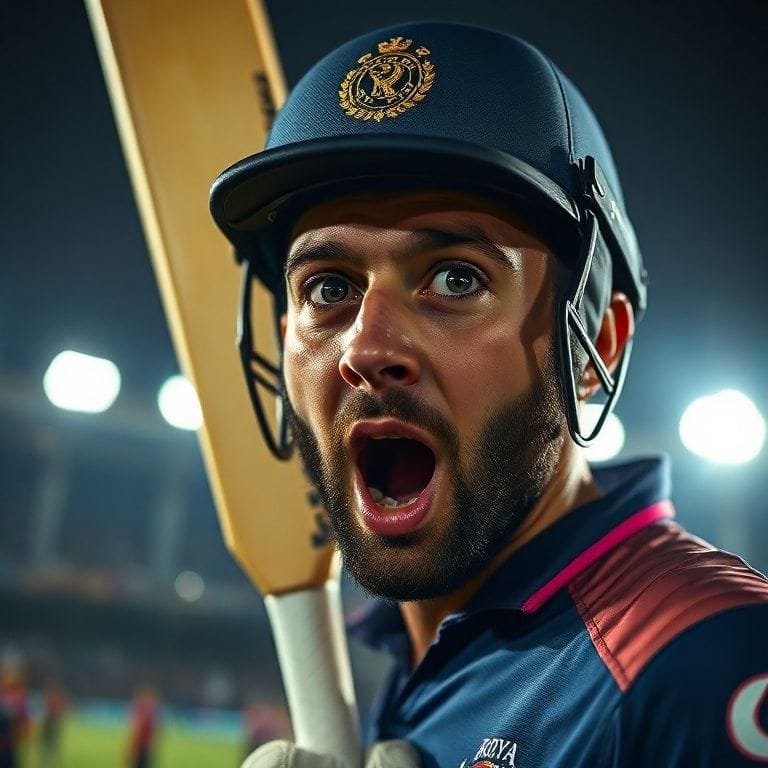
At the R. Premadasa Stadium on February 8, 2026, Sri Lanka’s chase against Ireland turned into a textbook case of middle‑over pressure. Pavan Rathnayake’s ill‑timed ramp attempt on the first ball of the 11th over not only cost him his wicket but also forced a reshuffle of the batting order at a critical juncture.
The Stats Behind the Strategy
| Player | Runs | Balls | SR | Key Moment |
|---|---|---|---|---|
| Pavan Rathnayake | 5 | 9 | 55.55 | Ramped at 10.1, bowled |
| George Dockrell | 0 | 4 | 0.00 | 2/17, key wicket of Rathnayake |
| Kusal Mendis | 56 | 38 | 147.36 | Anchored after 68/3 |
| Kamindu Mendis | 44 | 19 | 231.58 | 19‑ball blitz in final overs |
The numbers tell a story of a stalled engine that found a second wind. Rathnayake’s 5 off 9 kept the run‑rate below the required 8.15 per over, while Dockrell’s 2 for 17 sank the Sri Lankan top. When the pressure eased, Kamindu’s 44 off 19 swung the SR past 12.5 in the death, pulling the total to a defendable 163/6.
Tactical Choices and Their Consequences
Coach Mickey Arthur’s plan for the middle overs was clear: rotate the strike, keep the scoreboard ticking, and avoid big risks. The premise rested on a solid partnership between Rathnayake and Dunith Wellalage, both accustomed to playing the spin‑friendly Premier Stadium. Instead, Rathnayake chose a high‑risk ramp on Dockrell’s left‑arm angle, a shot more suited to a flatter surface than the low‑bounce, grip‑heavy pitch in Colombo.
Dockrell’s slow, looping deliveries exploited the gritty top‑soil that offers extra turn after the 8th over. The ball stays low and skids, making a traditional inside‑out drive a safer option than a fancied ramp. By getting down on one knee too early, Rathnayake compromised his balance, lost the vertical bat angle, and the ball rose straight into the stumps.
The early loss forced Arthur to bring Wellalage in a ball earlier than intended, disrupting the batting order’s planned aggression. Instead of a measured 15‑run partnership, Sri Lanka found themselves at 68/3, with the required run‑rate ticking up to 9.5. The senior pair, Kusal and Kamindu, had to recalibrate on the fly, shifting from consolidation to outright attack.
Player Mindset on the Premadasa Pitch
Rathnayake, a left‑hander used to the quick bounce of Galle, tried to imprint his aggressive mindset onto a venue that rewards patience. The crowd, accustomed to watching elegant stroke‑play on the slow, turning wickets of Colombo, reacted with audible frustration as the wicket fell.
Kusal Mendis, aware of the looming pressure, chose a more orthodox approach. By anchoring the innings and rotating the strike, he kept the required rate manageable while waiting for the later overs to open up. His 56 came with a mix of drives through the covers and measured cuts behind point, exploiting the short mid‑wicket boundaries that are a hallmark of Premadasa.
Kamindu Mendis, the hard‑hitting lower‑order talent, read the bowlers’ tempo perfectly. With the spinners tiring and the field set aggressively, he unleashed a series of lofted cuts and over‑pitches, turning the 17th over into a 21‑run climax. His mindset switched from “survive” to “dominate,” a shift made possible by the drop‑catch incidents that gave him a second chance at the crease.
Impact on the Tournament and What Lies Ahead
Sri Lanka’s 163/6 is now a competitive total in a tournament where every run matters. Ireland will need to keep their spin tight, especially Dockrell, who already proved he can dismantle a top order on this surface. The next match for Sri Lanka pits them against a stronger side, and the lesson from Rathnayake’s dismissal will likely influence Arthur’s batting order decisions – perhaps promoting a more spin‑savvy player up the ladder.
For Ireland, the win boosts confidence in their spin arsenal. Dockrell’s spell has reinforced the belief that disciplined left‑arm spin can be a game‑changer on sub‑continental pitches. The team’s next challenge is to chase a bigger total, a test of whether their middle order can handle tighter field placements and higher required rates.
Fan Perspective and Grounded Opinions
Local supporters at the Colombo stadium were vocal about the “reckless” nature of Rathnayake’s shot. Social media threads highlighted the disappointment, but also praised the resilience of Kusal and Kamindu. Many fans felt the early wicket was a missed opportunity to build a platform for a bigger total, yet they appreciated the late‑over fireworks that turned a potential collapse into an exciting finish.
Neutral observers argued that Rathnayake’s decision was a textbook case of “trying to do too much too soon.” In the context of a T20 World Cup, where every ball carries weight, the consensus leans toward a more measured approach against quality spin on a turning track. The sentiment is that Sri Lanka’s road to the knockout stage will depend heavily on discipline in the middle overs and smart utilisation of their power‑hitters when the field is set for the chase.
Cricket Desk: Want more on R. Premadasa Stadium? Check out our R. Premadasa Stadium Latest News & Stats.