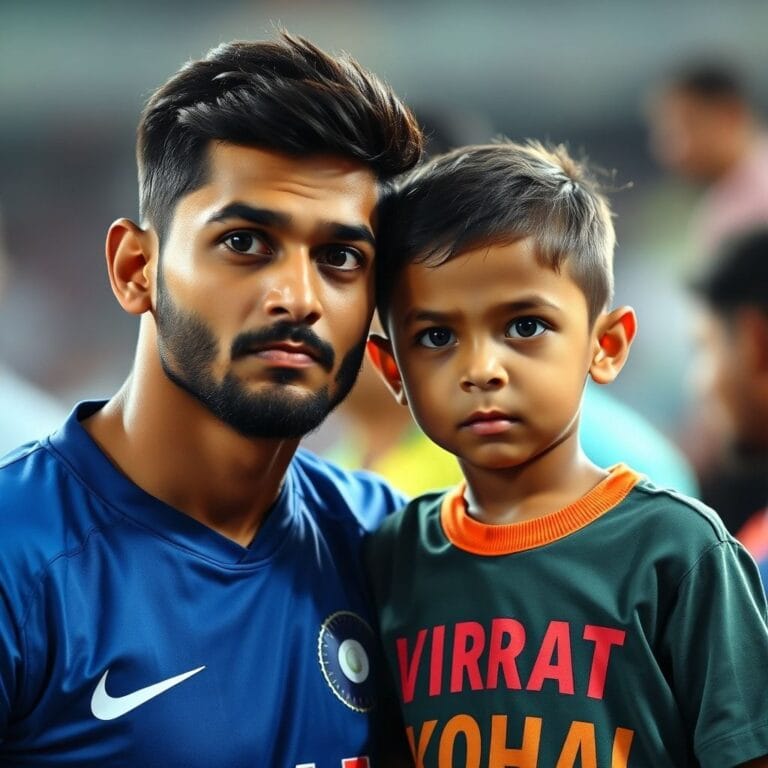
India vs USA T20 World Cup 2026 opener at Wankhede
India vs USA at Wankhede: T20 World Cup 2026 Clash
India open their title defence against a hungry USA side at the historic Wankhede Stadium. The match matters because the new Indian line‑up will be tested on a pitch that rewards power and timing, while the Americans hope to prove they belong among the elite.
Captain Suryakumar Yadav has built a side that looks to attack from the very first ball. With Rohit Sharma and Virat Kohli retired from the format, the responsibility now sits on a younger core that thrives on aggressive intent. The decision to keep Sanju Samson as the keeper‑batsman, despite Ishan Kishan’s recent century, reflects a desire for stability at the top.
USA, led by Monank Patel, entered the tournament after a shock win over Pakistan in 2024. Their preparation in Sri Lanka focused on fitness and spin, a move that paid off in the warm‑up games. Left‑arm pacer Saurabh Netravalkar, who grew up playing in Indian conditions, offers a familiar angle that could unsettle the Indian top order.
The Stats Behind the Strategy
| Metric | India | USA | Wankhede Average |
|---|---|---|---|
| Recent T20I win % | 78% | 55% | — |
| Average first‑innings score at Wankhede | — | — | 180 runs |
| Top scorer in last 5 T20Is | Ruturaj Gaikwad (48) | Monank Patel (44) | — |
| Economy of left‑arm pacers at Mumbai | 5.9 | 5.5 (Netravalkar) | — |
Those numbers tell a story. The Wankhede has consistently produced scores around 180, meaning any team that can post 190 has a solid platform. India’s batting depth gives them multiple routes to that target, while USA’s best batting figures hover in the mid‑40s, indicating they will need every run.
Team India’s bowlers have a clear plan. Arshdeep Singh and Jasprit Bumrah will open the spell, exploiting the early sea breeze that can generate seam movement. The plan is to keep the run rate under 7 in the first six overs, then hand over the middle to Kuldeep Yadav and Washington Sundar who can spin the ball once the dew settles.
USA’s bowlers will likely reverse the order. Netravalkar could take the new ball, using his left‑arm angle to swing the ball back into the right‑handers. Ali Khan’s slower variations are expected in the middle overs, aiming to choke the run‑rate before the death overs where the Indian hitters typically accelerate.
On the batting side, Suryakumar Yadav will look to set the tone in the powerplay. His experience against short‑boundaries in Mumbai makes him comfortable pulling and hooking the ball. Ishan Kishan, if he makes the playing XI, provides a left‑handed option that has historically been hard for bowlers to settle into on the Wankhede’s true bounce.
For the USA, the key will be Patels’ ability to rotate the strike. He has shown the knack for finding gaps in the field, a skill that works well on a pitch where the outfield rushes the ball. The lower order, featuring Harmeet Singh and Ali Khan, will need to clear the boundary wall if the chase goes beyond 180.
The toss could be the first decisive factor. India historically prefers to chase at Mumbai because the dew makes the ball slippery for spinners. If they win the toss and bowl first, they will rely on the early swing and the hope that USA’s chase will be hampered by the dew turning in the second innings.
From a fan’s perspective, the atmosphere will be electric. Mumbai crowds love big hits and will roar every time a ball clears the ropes. The USA supporters, though smaller in number, bring a mix of cricket geeks and curious newcomers, adding a new colour to the stands.
What does a win mean for each side? For India, a victory will cement the new era’s credibility and give the young bowlers confidence ahead of the knockout stages. A loss could raise questions about the depth of the batting lineup without the retired stars. For the USA, beating the defending champions would be a statement that the associate‑to‑full‑member transition is complete, and it would boost their morale for the remaining group games.
Looking ahead, the winner of this clash will likely face a tight contest against either England or South Africa in the next round. India will hope to ride the momentum into those games, while the USA will aim to keep the giant‑killing narrative alive. The next few days will show whether the new Indian core can handle pressure, and whether the USA can keep pulling off upsets.