
The End of an Era: Ben Stokes Retires from Test Cricket
The End of an Era: Ben Stokes Retires from Test Cricket
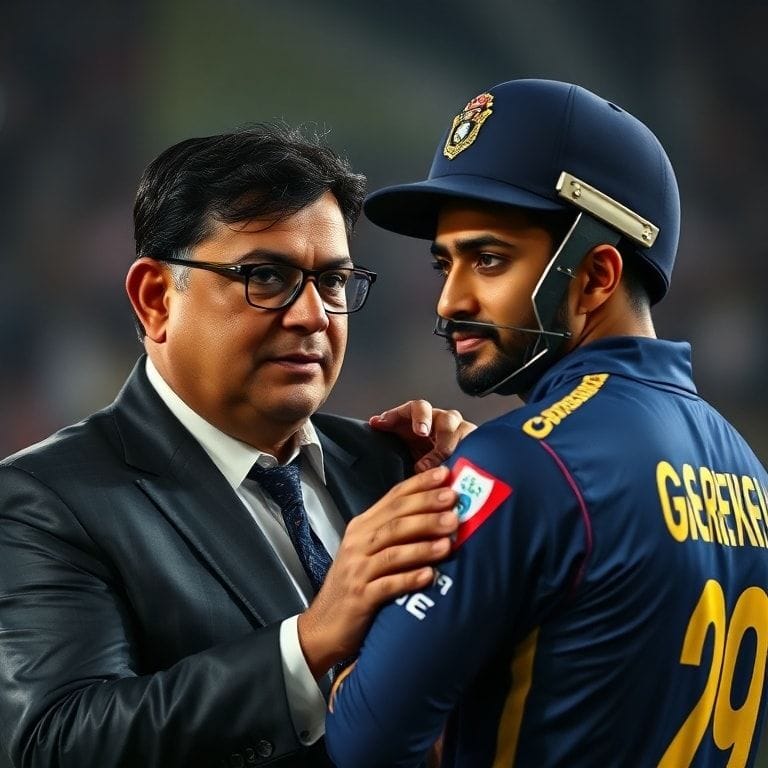
Ben Stokes walked off the field at Trent Bridge with his head held high, announcing his retirement from Test cricket and throwing the baton for England’s longest format into the hands of a new leader. The decision not only ends a five‑year Bazball saga but also kicks off a debate over who will steer the team forward.
The Stats Behind the Strategy
| Metric | England (Stokes era) | New Zealand series | Potential captain Harry Brook |
|---|---|---|---|
| Test wins (2022‑24) | 6 | 1 (loss) | — |
| Average runs per innings (Stokes) | 47.5 | 48.2 (series) | 45.3 (2023‑24) |
| Century conversion rate (Brook, ODIs) | — | — | 28% |
| Strike rate (Brook, Tests) | — | — | 62 |
| Dismissals per innings (Stokes) | 1.2 | 1.4 (series) | — |
The numbers tell a clear story: Stokes’ presence lifted England’s batting averages and added an extra wicket‑taking option. Brook’s emerging 45‑plus average in Tests and a respectable conversion rate in limited‑overs hint at a player who can handle pressure, yet he lacks the bowling depth Stokes supplied.
Match Context and What Went Wrong
The third Test at Trent Bridge was a classic showdown. New Zealand’s disciplined swing on a slightly green top forced England into a defensive shell early on. Stokes’ dismissal for a golden duck left a gaping hole in the lower middle order, a hole that Harry Brook attempted to fill with a gritty 71. The visitors chased down 279 with six wickets, sealing a 2‑1 series win.
England’s tactics under Bazball leaned on relentless aggression – the kind of cricket that rewards free‑scoring but punishes lapses in concentration. New Zealand’s bowlers, especially Tim Southee, exploited the seam movement, a factor that Trent Bridge traditionally offers to pace. The lack of a spinner who could grip the surface meant England never truly owned the middle overs.
Why Harry Brook Makes Sense
- He already captains England in ODIs and T20Is, giving him a tested leadership voice.
- Brook’s temperament in high‑pressure moments – the 140* against India in 2023 – shows a calm that complements the aggressive thrust of Bazball.
- His technique against swing, honed on the green wickets of Lord’s and Headingley, aligns with the typical English home conditions.
Brook’s batting style is a blend of forward‑defence and selective aggression. On a pitch like Trent Bridge, with its classic English seam, his ability to leave outside off‑stump and cut on the leg side can keep the scoreboard ticking without exposing the tail.
Team Decisions and Tactical Shift
Replacing Stokes means England must rethink its balance. The current lineup features three specialist bowlers, two all‑rounders, and a top‑order anchored by Jos Buttler. Without Stokes, the side loses a genuine fifth bowler and a player who can swing the momentum with a single over.
Two options emerge:
- Promote a seam‑focused all‑rounder like Rehan Ahmed, who offers swing and can bat at number seven.
- Invest in a true batting‑first all‑rounder, perhaps Sam Curran, to retain depth in the lower order.
The coaching staff, led by Brendon McCullum, will likely retain the Bazball mindset – fast scoring, aggressive fields – but add a layer of strategic patience. A more measured approach could involve rotating the strike, building partnerships before launching for runs, especially on pitches that favor seam over bounce.
Impact on the Ashes and Upcoming Tours
England’s next major assignment is the Ashes, scheduled for July. The series will be a litmus test for any new captaincy. If Brook can lead a side that blends aggression with disciplined field placements, the English public may forgive the loss of Stokes’ magnetic presence.
On the overseas front, the team faces a sub‑continental tour in late 2024. Brook’s proven competence on turning tracks – his unbeaten 101 in Chennai – will be crucial. The ability to marshal a pace attack on slower surfaces will decide whether England can compete beyond home conditions.
Fan Perspective and Grounded Opinions
English supporters are split. Traditionalists miss the raw energy Stokes brought – the image of a bowler‑batting all‑rounder charging down the pitch still haunts many. Younger fans, who grew up with Bazball, argue that the philosophy must evolve rather than be abandoned.
On social media, the #BrookForCaptain hashtag trended after Stokes’ interview. Many praised Brook’s calm demeanor, pointing to his “lead‑by‑example” attitude in white‑ball squads. Critics warn that Brook’s lack of experience in harsh English conditions could be a liability, especially against teams that exploit the new‑ball swing.
From a pragmatic viewpoint, England needs a leader who can handle media scrutiny, manage dressing‑room dynamics, and make on‑field tactical calls. Brook ticks those boxes, but his success will hinge on how the management fills the bowling void left by Stokes.
What Comes Next?
In the weeks ahead, the England board will announce an official captaincy appointment. The decision will likely be a blend of strategic foresight and political balance – appeasing senior players while giving Brook a clear pathway. McCullum’s tenure until 2027 provides continuity; he can steer the team through this transition without a drastic overhaul.
For fans, the hope is simple: a captain who respects the Bazball legacy but knows when to pull back the reins. If Brook can marry aggressive intent with tactical nuance, England may emerge stronger, ready to chase the next Ashes glory and reclaim its place at the top of Test cricket.