India’s T20I Struggles in Belfast: What Went Wrong?
India’s T20I Struggles in Belfast: What Went Wrong?
India’s two‑match T20I loss to Ireland in Belfast has shocked the cricket world and put new coach Gautam Gambhir under the microscope. The defeat matters because it arrived just after a World Cup triumph, forcing a reassessment of team balance and leadership.
The Stats Behind the Strategy
| Metric | India (last 5 T20Is) | India vs Ireland (2022‑2024) |
|---|---|---|
| Batting average | 31.4 | 24.1 |
| Strike rate (top 4) | 138 | 119 |
| Wickets lost in powerplay | 2.6 | 4.5 |
| Economy of Irish bowlers (innings) | 7.2 | 6.8 |
The numbers tell a clear story: India’s top order struggled to rotate the strike against a disciplined swing attack, losing more wickets early than they usually do at home. The drop in strike rate highlights a reluctance to play through the slow, grassy seam that Belfast offers.
Tactical Choices and Their Fallout
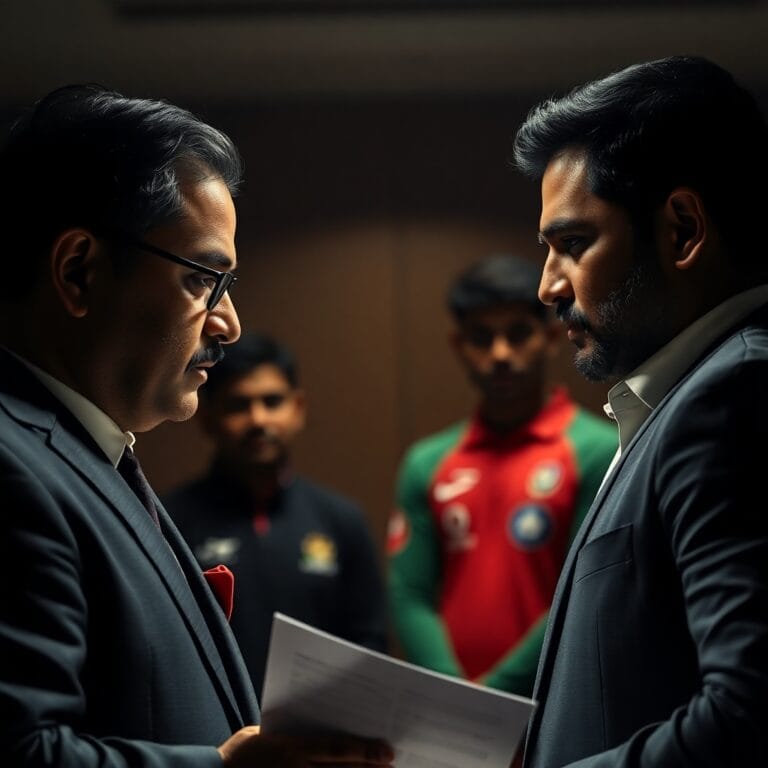
Gambhir entered the series with a clear intent to stick with a familiar XI, favouring experience over the teenage sensation Vaibhav Suryavanshi. The decision made sense on paper – a seasoned unit should handle pressure – yet the Irish conditions demanded a different skill set.
Key moments underline the tactical mismatch. In the first T20, the decision to open with Shubman Gill and Ishan Kishan back‑fired when the pair fell for 12 and 8 respectively. The swing‑friendly medium pace of Craig Young and Tim Murtagh exploited the early seam, and India never recovered the momentum.
Shreyas Iyer’s captaincy, still finding its voice, rarely altered the field placements even when the Irish bowler’s line shifted outside off. A more aggressive field, especially early on, might have forced errors from the Irish tail.
Player Roles, Mindsets, and the Pitch
The Belfast pitch is a low‑bounce, green‑top that rewards patience and late‑year swing. Players accustomed to sub‑continental tracks – such as Sanju Samson – found the ball gripping the surface, turning the ball into a moving target.
Samson, fresh from a Player of the Tournament accolade, entered the series with confidence but seemed to be over‑cautious, playing across the line rather than attacking the seam. His 22 and 17 were far below his usual output, indicating a mental adjustment still in progress.
On the other side, Ireland’s all‑rounder Lorcan Tucker thrived. His easy 39 off 27 in the second match showed a comfort with the pitch’s bounce, using the short of the wicket to find gaps.
Vaibhav Suryavanshi, the teenage powerhouse who had smashed 300 runs in a three‑match India A series, was left on the bench. The right‑handed batsman’s aggressive approach could have forced the Irish bowlers to rethink their lengths, but Gambhir’s cautious stance kept the youngster out of the game.
Implications for the Upcoming England Tour
England’s summer schedule looms large. Five T20Is and three ODIs on English soil mean a return to pace‑friendly conditions, but the quality of swing will be even sharper than Belfast. If India cannot adapt now, the same pitfalls could repeat against seasoned English bowlers.
Gambhir must decide whether to stick with the current core or inject fresh talent. The selection dilemma will intensify as the squad travels – a balance between proven performers and untapped aggression is essential.
From a strategic perspective, a revised top order that includes a left‑hander comfortable with swinging deliveries could reduce the early wicket tumble. Pairing a seasoned finisher like Hardik Pandya with a hard‑hitting youngster may give the side the flexibility it lacked.
Fan Pulse and Grounded Opinions
Social media erupted after the series. Iceland Cricket’s cheeky jab at Gambhir captured the mood: fans were frustrated, feeling the new coach’s ideas were still a work in progress. The sentiment echoed across Indian fan forums – disappointment mixed with a demand for accountability.
Supporters argue that a World Cup win should not shield a team from criticism. They point out that cricket thrives on adaptation, and a coach must demonstrate tactical agility. Others defend Gambhir, noting that the transition phase inevitably includes growing pains and that the benching of Suryavanshi was a strategic gamble rather than a simple oversight.
What matters most to the average fan is a return to the winning rhythm that defined the recent World Cup. The next few weeks will decide whether the team can bounce back or slide further into a confidence crisis.
What Comes Next
India’s immediate task is to regroup ahead of the England tour. A focused training camp that replicates seam‑friendly conditions could help the batsmen adjust their technique. Mental conditioning – especially for younger players thrust into high‑pressure environments – will also be crucial.
The series loss is a wake‑up call, not a verdict. If Gambhir can blend experience with youthful spark, and if the selection committee remains flexible, India can still steer the campaign back on track before the English summer reaches its peak.