England vs New Zealand, 2nd Test: Tactical Insights from a Tense First Day at The Oval
England vs New Zealand, 2nd Test: Tactical Insights from a Tense First Day at The Oval
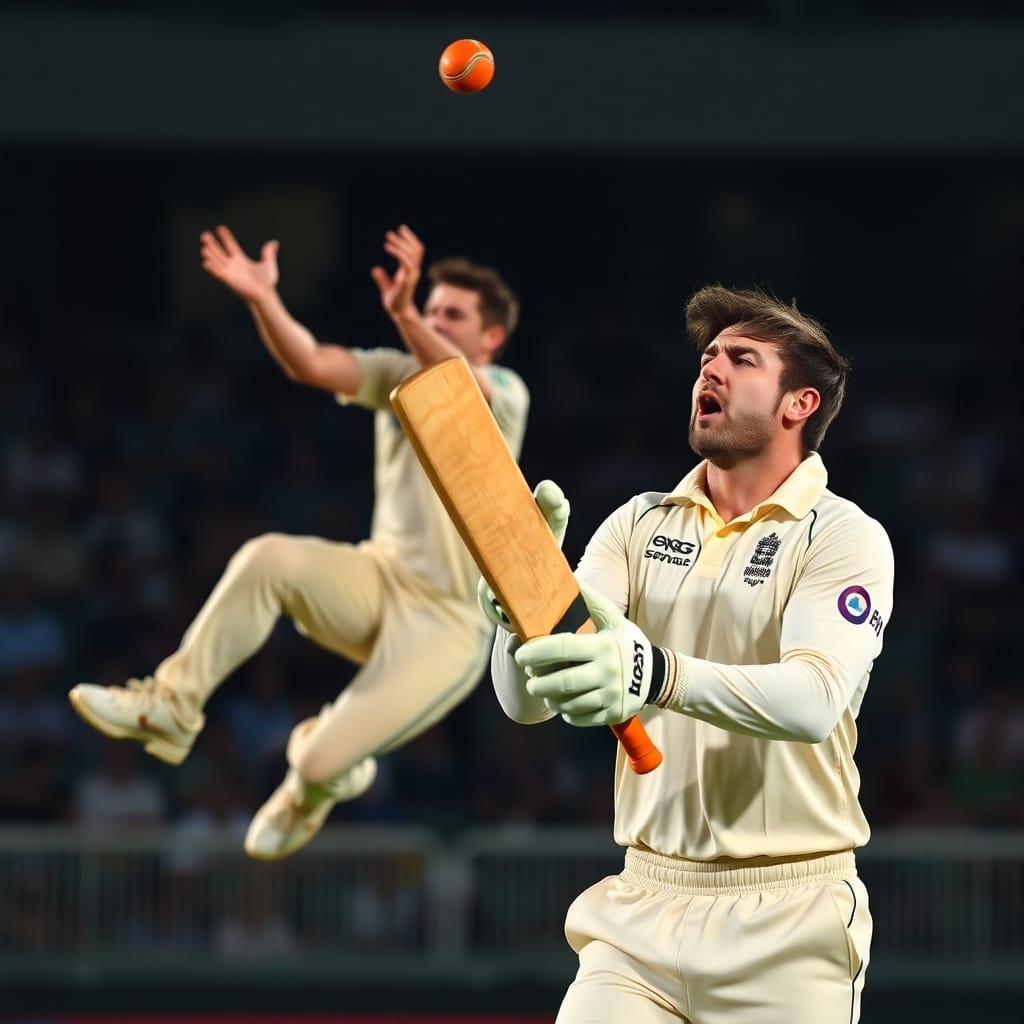
The second Test at the Oval saw England’s youth burst onto the field with a jaw‑dropping airborne catch that shifted momentum, while New Zealand’s lower order proved resilient enough to claim first‑day honours. The day set the tone for a tightly‑fought series, with every tactical tweak under the microscope.
The Stats Behind the Strategy
| Metric | England | New Zealand |
|---|---|---|
| First‑day run rate (runs per over) | 3.45 | 3.77 |
| Extras conceded | 44 | 20 |
| Wickets taken by spinners | 0 | 2 (Baker, Bethell) |
| Top‑score (runs) | 0 (none passed 30) | 51 (Blundell) |
| Key fielding dismissals | 1 (Bethell flying catch) | 0 |
What the numbers reveal is a modest scoring rhythm from the hosts, balanced by a surge of extras that softened the impact of England’s disciplined attack. New Zealand’s ability to extract runs from the flat sections of the Oval, aided by a few costly wides, kept the scoreboard ticking.
Match context and tactical choices
England won the toss and elected to bowl, a decision driven by the overcast morning and a track that traditionally offers seam and swing. Jofra Archer opened the spell, using the early moisture to generate a pace band that hovered around 135 km/h. His 21st over produced the pivotal full‑length ball to Tom Latham, prompting the spectacular catch by Jacob Bethell.
Bethell, typically a middle‑order batsman, had been drafted into the gully as a fielding specialist. The decision paid dividends: his lightning‑quick reflexes turned an otherwise safe edge into a wicket‑taking masterpiece. That early breakthrough forced New Zealand into a defensive posture, but the captain’s persistence paid off.
Player roles and mindset
Jacob Bethell’s role at the Oval was a hybrid – a batting asset and an athletic safety net in the field. His flying catch signalled a mindset focused on creating pressure beyond the bowlers’ realm. For Archer, the aim was to attack the line and force errors; his willingness to bowl short of the arc on that over hinted at a plan to keep Latham uncomfortable.
Tom Latham entered the crease with a patient 27 off 75, embodying the classic New Zealand anchor. Yet, facing Archer’s aggression, he could not settle, and the dismissal at 58/2 highlighted the fine line between patience and stagnation. In the lower order, Tom Blundell adopted a steady, run‑scoring anchor role, reaching 51 off 84 and mixing defensive strokes with selective boundaries, reflecting a pragmatic approach to counter England’s disciplined spell.
Glenn Phillips, meanwhile, unleashed a counter‑attacking stroke‑play, accelerating to 49* off 74. His intent was clear: turn the innings from a defensive scramble into a statement of intent before the tea break. The blend of Blundell’s grit and Phillips’s aggression produced a partnership that neutralised England’s early vigor.
Venue‑specific nuances
The Oval’s red‑clay surface, damp in the morning but drying under the sun, favoured bowlers who could extract seam early, then shift to a batting‑friendly pitch later on. England’s seam attack exploited the early swing, while New Zealand’s batsmen adjusted to the gradual flattening by taking a measured approach in the first session and accelerating as the curve eased.
Bethell’s position in the gully capitalised on the track’s tendency to produce edges off the pads, especially when bowlers target a high line. His athleticism matched the venue’s demand for quick reflexes in tight catching zones.
Tournament impact and what comes next
With New Zealand holding a 291/7 lead after 77 overs, the series now hinges on England’s ability to respond under pressure. The day’s key takeaway is England’s need to tighten line and length while limiting extras, which have already gifted the visitors a modest edge.
For the second innings, England may look to spin options to exploit any wear on the Oval’s surface. The absence of a spinner’s impact on day one suggests a strategic opening for the likes of Jack Leach or Ollie Pope to unleash turn as the pitch deteriorates.
New Zealand will likely lean on their middle order’s resilience, with Blundell and Phillips setting a platform for a chase or for extending the lead. If the visitors can keep the run rate steady and avoid quick wickets, they could press for a sizable first‑innings total, putting England under the pump.
Fan perspective and grounded opinions
Supporters at the Oval were treated to a visual feast – Bethell’s airborne grab instantly became the day’s talking point across pubs and social media feeds. While some fans praised England’s aggressive start, others felt the team’s failure to capitalise on early wickets revealed a lack of depth in the lower order.
New Zealand followers, meanwhile, highlighted the mental toughness displayed by Blundell and Phillips. Their ability to recover from a precarious 107/4 to post a competitive total reminded many that the Kiwis possess the grit needed for a five‑day battle.
Looking ahead, the consensus among cricket enthusiasts is that the series will be decided by who can better adapt to the Oval’s evolving conditions and manage the psychological swing after such a high‑profile fielding moment. As the next day unfolds, every missed line, each extra, and the next big catch will be magnified under the watchful eyes of a passionate crowd.
![IND vs AFG [WATCH]: Rishabh Pant smashes three sixes in an over against Abdul Malik on Day 1 of Mullanpur Test](https://dailynews-cricket.com/wp-content/uploads/2026/06/featured-118-768x768.jpg)