India vs Pakistan: A Tactical Masterclass at Edgbaston
India vs Pakistan: A Tactical Masterclass at Edgbaston
The showdown between India and Pakistan at Edgbaston sparked another chapter in the fierce rivalry, this time on the women’s T20 World Cup stage. A dominant Indian total and a spell‑binding fielding effort turned the match into a talking point for fans and analysts alike.
The Stats Behind the Strategy
| Team | Runs | Wickets | Overs | Top Scorer | Best Bowler |
|---|---|---|---|---|---|
| India | 170 | 6 | 20 | Smriti Mandhana – 68 (44) | Deepti Sharma – 5/10 (4) |
| Pakistan | 106 | 10 | 17 | Muneeba Ali – 41 (35) | Shree Charani – 3/21 (4) |
Edgbaston’s pitch offered a balanced blend of bounce and turn, favoring a side that could mix pace with flight. India’s decision to open with the aggressive duo of Shafali Verma and Harmanpreet Kaur paid off until the early wicket, after which a partnership between Mandhana and Kaur steadied the innings. The second‑half surge from Richa Ghosh accelerated the run‑rate, taking advantage of the short‑run squares that become livelier as the game wears on.
Pakistan’s chase saw a cautious start from Muneeba Ali, but the required rate forced a middle order that could not adapt to the turning after‑effects of Charani’s left‑arm spin. Deepti Sharma’s off‑spin capitalised on the abrasive dry patches in the fourth over, ripping through the lower order and ending with an astounding 5/10.
Tactical Nuances and Team Decisions
India’s choice to bowl Shree Charani early was a calculated move to exploit the natural drift on Edgbaston’s green‑ish gradient. The left‑arm spinner’s ability to drift away from a left‑hander created a tempting flight, which was evident in the 15th over when Rameen Shamim attempted a lofted drive. Charani’s variation in pace forced the edge that set up Patil’s heroics.
Deepti Sharma’s role was not just a wicket‑taker but a pressure‑engine. By delivering three overs in the middle phase, she forced batters into mistakes, turning what could have been a steady chase into a rapid collapse. Her field placements—tight inside‑circles and aggressive slip cordon—mirrored the classic ‘contain and punish’ approach seen in successful T20 setups.
Pakistan’s decision to keep the powerplay open with opening batters playing at a moderate strike rate was understandable, yet the lack of an all‑rounder who could both stabilize and accelerate left a void. When the required run‑rate nudged past 9 per over, the middle order failed to rotate the strike, leading to high‑risk aerial shots that were easy picks for the Indian fielders.
Player Mindsets and Role Execution
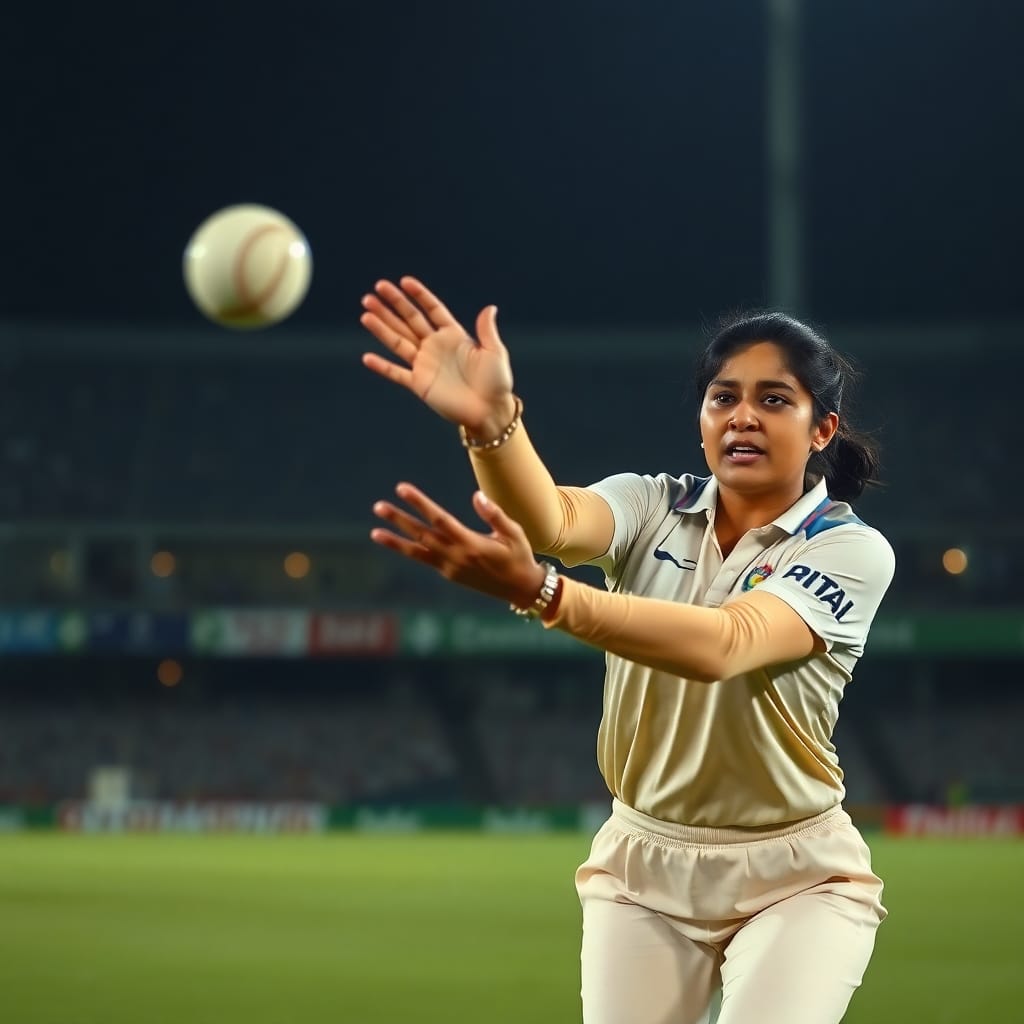
Shreyanka Patil’s catch was more than an athletic flash; it showcased a mindset sharpened by endless net drills. Knowing the exact line of Charani’s turn, Patil pre‑empted the ball’s trajectory and sprinted with the kind of confidence that comes from a player fully aware of her fielding zone. The split‑second decision to dive flat, arms fully extended, turned a potential boundary into a wicket, shifting momentum back to India.
Mandhana’s innings reflected a blend of aggression and restraint. After a cautious start, she accelerated with a series of lofted drives, timing each shot to the rhythm of the ball’s bounce on Edgbaston’s hard surface. Her mental reset after the early wicket highlighted a clear understanding of the team’s required pace.
Deepti Sharma approached her spell with a clear plan: attack the gutter lines and the middle stump, forcing errors. Her variations—slower ball, arm ball, and a subtle flight change—were executed with precision, illustrating a bowler who trusted her skill set fully.
Tournament Impact and What Lies Ahead
India’s 64‑run victory solidifies them as the front‑runners in Group 1, giving them a net‑run‑rate cushion that could prove decisive in a tightly contested pool. The combination of a hefty total and a dominant bowling display signals that the side is peaking at the right time, especially with the knockout stage looming.
Pakistan, on the other hand, finds themselves on the back foot. The heavy loss forces a reassessment of their batting depth and the need for a genuine death‑overs specialist. Their upcoming matches will demand a more aggressive approach, possibly reshuffling the batting order to include a hard‑hitting all‑rounder.
Fan Perspective and Grounded Opinions
The Edgbaston crowd, a mix of Indian expatriates and local cricket lovers, witnessed a match that lived up to its hype. Social media buzz centered around Patil’s acrobatic catch, with fans calling it “the moment of the tournament.” While some Indian fans celebrated the comprehensive win, others reminded the team not to get complacent, urging a focus on maintaining sharpness for the next round.
Pakistani supporters expressed disappointment but praised Muneeba Ali’s fighting spirit. The consensus among neutral observers was that India’s balance of power hitting and disciplined spin bowling gave them a clear edge, especially on a pitch that rewarded variations over sheer pace.
In the grand scheme, this match reinforces the narrative that modern women’s cricket is as tactical and skill‑driven as any men’s game. The performances at Edgbaston will be dissected by coaches and analysts for weeks, shaping strategies for the remainder of the World Cup.