Bangladesh’s T20 World Cup Withdrawal: Behind the Scenes of Security Concerns and Player Voices
Bangladesh’s T20 World Cup Withdrawal: Behind the Scenes of Security Concerns and Player Voices
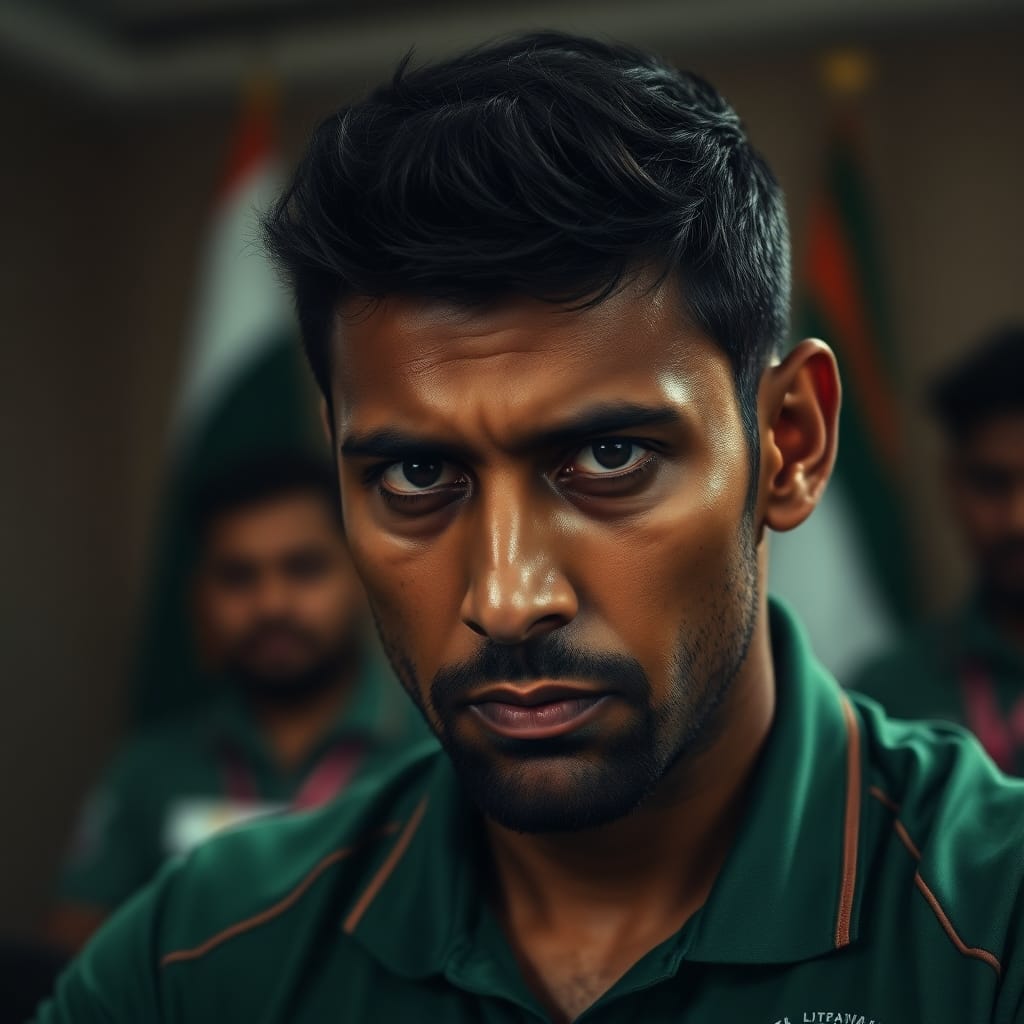
Litton Das finally opened up about Bangladesh’s sudden pull‑out from the 2026 T20 World Cup, shedding light on the security debate that left fans baffled. His honesty matters because it exposes a growing rift between players’ desires and board politics, a theme that could reshape future international tours.
When the tournament was announced for India and Sri Lanka, Bangladesh entered the early‑stage draw with optimism. A month later, the board announced a withdrawal, citing safety concerns in India. The decision sparked a flurry of speculation, from diplomatic tensions to internal disagreements. Das, the senior wicket‑keeper‑batter, revealed that players had gathered for a simple tea‑break meeting, only to find the decision already sealed. The captain’s remarks shifted the narrative from a secretive board move to a possible communication breakdown.
The Stats Behind the Strategy
| Scenario | Bangladesh Matches Played | Win % | Key Venue Performance |
|---|---|---|---|
| Against India (Home) | 5 | 40% | Delhi – average 135/7, spinners crucial |
| Against India (Away) | 3 | 33% | Chennai – low‑bounce, batting struggled |
| Against Pakistan (Security‑Heavy Tours) | 4 | 50% | Multan – slow turn, Das scored 78* |
| World T20 Qualifiers (Neutral) | 6 | 66% | Abu Dhabi – flat pitches, big totals |
The numbers tell a story: Bangladesh has managed to win half their games in high‑security environments, notably in Pakistan, where armed guards were a visible presence. In contrast, their record in India is modest, but the team has shown adaptability on varied surfaces – from the spin‑friendly Delhi to the pace‑gentle Chennai. The statistical edge suggests that safety concerns alone don’t dictate on‑field performance.
Tactical Landscape and Board Decisions
From a tactical standpoint, the withdrawal removed a side that could have challenged the traditional powerhouses. Bangladesh’s recent T20 strategy leans heavily on aggressive top‑order hitting, with Litton Das anchoring the innings and Mustafizur Rahman providing late‑overs death bowling. Their ability to accelerate on flat tracks would have added depth to Group A, potentially disrupting the pathways of teams like England and New Zealand.
The board’s decision hinged on a risk‑assessment matrix that likely weighed diplomatic alerts, intelligence briefings, and logistical costs. Yet the matrix appears to have undervalued the players’ willingness to compete and the commercial fallout of missing a marquee event. In hindsight, a more nuanced approach—perhaps deploying a reduced contingent with enhanced security—could have preserved Bangladesh’s competitive standing while addressing safety.
Player Mindset and Role Connections
Litton Das, accustomed to the sub‑continental pressures of Dhaka’s Mymensingh pitch, often talks about the “bounce‑and‑turn” that mirrors Delhi’s red‑soil conditions. His comfort against spin makes him a natural fit for Indian venues that favor turn, especially in the early overs where his controlled aggression sets the tempo.
Mustafizur Rahman’s cutter and slower deliveries thrive on the slower, low‑bounce tracks of Sri Lanka’s Pallekele, making him a lethal weapon on the island’s pitches. Meanwhile, Shakib Al Hasan, when playing his all‑rounder role, prefers the extra seam movement found in Chennai’s coastal venues, using the sea breeze to swing the ball.
These player‑venue synergies were a silent argument against the withdrawal. The squad’s collective skill set was built around exploiting the very conditions they were denied.
Impact on the Tournament and What Lies Ahead
The immediate impact is a reshuffled group stage. Scotland, who stepped in, brings a different style – more swing‑focused, less power‑hitting – altering the balance of matches originally slated for Bangladesh. For the tournament’s commercial side, TV rights and sponsorship deals lost a South Asian market draw, potentially affecting revenue projections.
Looking forward, the BCB faces a credibility challenge. Players have publicly expressed disappointment, and fans are vocal on social media, demanding transparency. If the board wishes to rebuild trust, a structured dialogue platform – perhaps a players‑board council – could be instituted before the next ICC event, be it the 2027 Champions Trophy or another world cup.
On the field, the Bangladesh side will have to recalibrate ahead of the 2028 Asian Games cricket segment, where participation is mandatory. The experience of being sidelined may fuel a renewed hunger, translating into a more aggressive selection policy and a focus on building depth in specialized roles.
Fan Perspective and Grounded Opinions
From the stands, the withdrawal felt like a betrayal. Fans who bought tickets for the India fixtures were left with empty seats and a lingering sense of injustice. On cricket forums, the consensus is clear: security concerns are valid, but the narrative of “danger” was inconsistently applied. The same fans recall the 2022 Pakistan tour, where armed personnel were stationed at airport entrances, yet the matches proceeded without incident.
Supporters also pointed out the timing – the decision came weeks before the tournament, leaving little room for alternative arrangements. Many argue that the board should have explored neutral venues for Bangladeshi matches, a precedent set by the 2020 pandemic‑era relocations.
Ultimately, the sentiment is one of cautious optimism. Fans trust Litton Das’s honesty and hope the players’ voices will shape future board policies. As the cricketing calendar moves forward, the episode the sport’s heartbeat lies as much in the locker rooms as it does in the stadiums.
In a world where geopolitics increasingly intersect with sport, Bangladesh’s 2026 T20 World Cup saga is a case study in how communication, player agency, and strategic foresight must align. The next chapter will test whether the BCB can learn, adapt, and return stronger – both on and off the field.