England’s Solemn Start at Lord’s: Black Armbands and Seaming Pitch Define NZ Test Opener
England’s Solemn Start at Lord’s: Black Armbands and Seaming Pitch Define NZ Test Opener
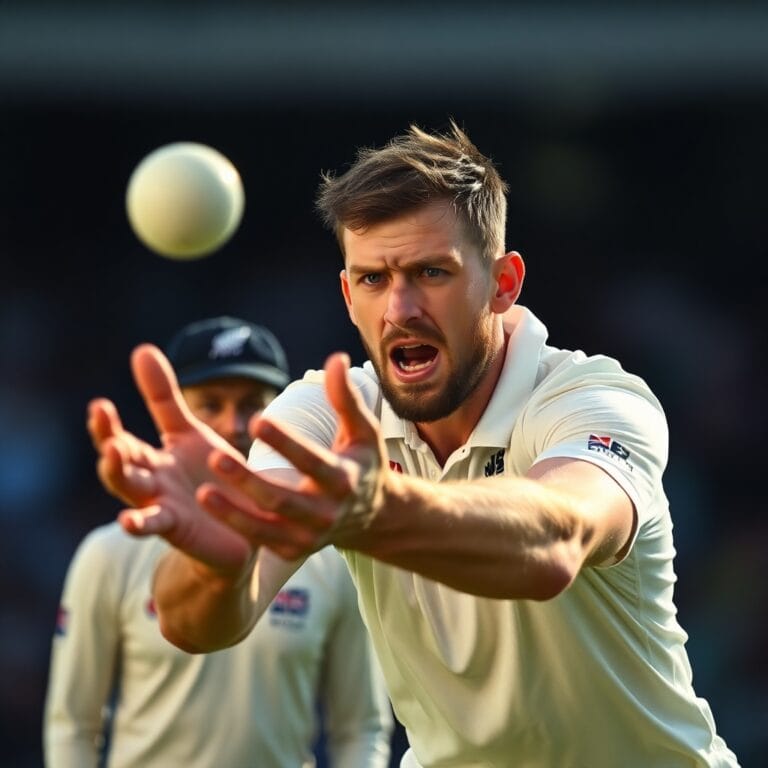
England began their 2026 home Test season at the iconic Lord’s against New Zealand in a match marked by both solemn tribute and sharp cricket. Wearing black armbands to honor eight former England cricketers, the team took the field amid early rain and swinging conditions, setting the tone for a gripping encounter.
The Stats Behind the Strategy
| Bowler | Overs | Runs | Wickets | Economy |
|---|---|---|---|---|
| Kyle Jamieson (NZ) | 5 | 16 | 1 | 3.20 |
| Matt Henry (NZ) | 4 | 8 | 0 | 2.00 |
| Nathan Smith (ENG) | 1 | 0 | 0 | 0.00 |
Jamieson’s opening burst, dismissing Emilio Gay for 8, gave New Zealand an early foothold. Henry’s tight spell kept the run rate under 2.5, a figure that would be comforting on a pitch with lingering moisture. The figures underline why Latham chose to field first – a decision that banks on swing and seam in the morning.
Players and the Lord’s Pitch
Lord’s is famed for a grass‑laden surface that can shift from a placid batting track to a seam‑friendly strip within hours. Ben Duckett’s 12‑run knock, anchored on a single boundary, reflected a mindset of patience rather than aggression. His experience at the ground, having scored a gritty 66 in 2018 under similar conditions, helped him read the subtle movement off the pitch.
Jacob Bethell, the left‑handed prodigy, struggled to find his rhythm, managing just four runs before the umpires called the rain break. The 31‑run partnership between Duckett and Bethell highlighted the early test of temperament: staying in the zone while the ball swings across the corridor of uncertainty.
On the Kiwi side, Jamieson’s height and ability to generate a steep bounce make him a handful on pitches that retain moisture. His 130 km/h delivery landed just a whisker above the seam, prompting a mistimed pull from Gay. Matt Henry’s slick right‑arm seam work, often described as “laser‑like” on English surfaces, kept England’s top order in check by hitting the off‑stump line consistently.
Tactical Narrative
Latham’s toss decision was a textbook case of playing the conditions, not the opposition. By taking the field, New Zealand forced England to confront a fresh, green surface that still held a sheen of water. The early wicket of Gay, a debutant eager to make an imprint, served as a psychological boost for the visitors.
England’s response — a defensive stance at 24‑1 — mirrored a classic English Test plan: absorb early pressure, rotate the strike, and wait for the pitch to settle. Duckett’s unhurried 12 off 31 balls translates to a strike rate that would raise eyebrows in a limited‑overs game, but in Test cricket it is a sign of stability.
The limited overs (just 10 before lunch) gave a small sample size, yet the data points to a clear storyline: New Zealand’s bowlers are exploiting the early swing, while England’s top order is looking to build a platform for the later sessions when the pitch dries out and the batting conditions improve.
Tournament Impact and What’s Next
With the series set for three Tests, the opening day’s narrative could shape the momentum. A win on the first attempt would hand New Zealand a psychological edge, allowing them to dictate terms in the second Test at Headingley, where a seam‑friendly pitch is the norm. A drawn or narrowly lost opening could see England regroup, relying on home advantage and the depth of batters like Joe Root and Ben Stokes to turn the tide.
The black armbands added an emotional layer that could galvanise the England camp. Players often speak about honoring past greats as a source of inspiration; that sentiment may translate into extra resolve when the next session begins.
Fan Perspective
Supporters in the stands, clutching their scarves, felt a mixture of pride and melancholy. The tribute to former England heroes resonated deeply, especially among older fans who remembered Robin Smith’s 1990s heroics. Younger followers, meanwhile, were eager to see how the new generation — Emilio Gay, Jacob Bethell, and the seasoned Duckett — would handle the pressure.
Social media chatter reflected a balanced mood: many praised Latham’s tactical call, while others questioned England’s selection of an untested opener on such a challenging pitch. The consensus, leaned toward patience, acknowledging that a low‑scoring first day is often the prelude to a dramatic turnaround.
As the clouds cleared and the sun broke through, the next innings will reveal whether England can convert cautious starts into substantial totals, or if New Zealand’s disciplined seam attack will keep the English batsmen in check throughout the series.