Sri Lanka’s T20 World Cup 2026 Squad: Strategy, Stats, and Star Power
Sri Lanka’s T20 World Cup 2026 Squad: Strategy, Stats, and Star Power
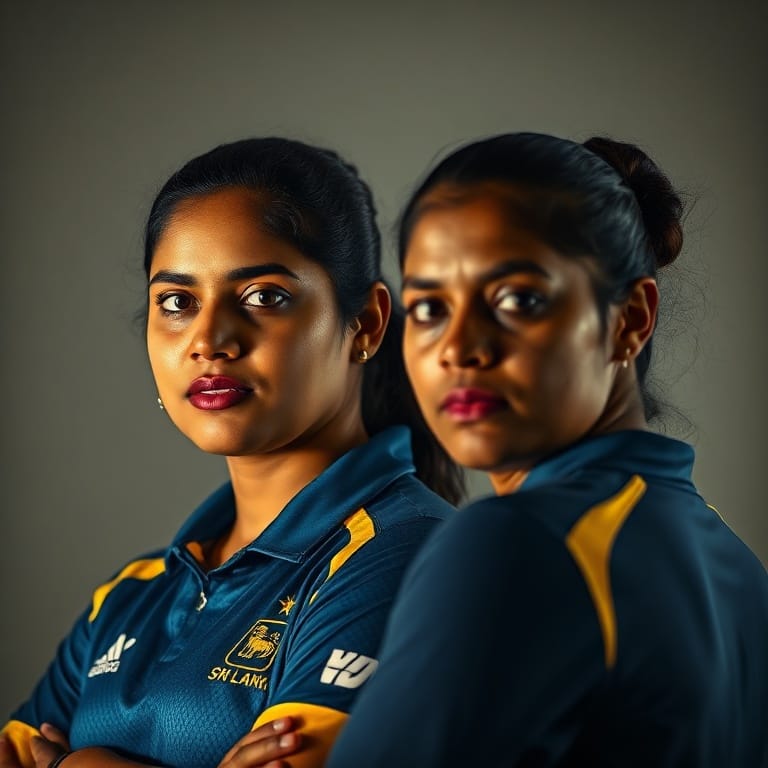
Sri Lanka have unveiled a 15‑member squad for the ICC Women’s T20 World Cup 2026, blending seasoned campaigners with a wave of fresh talent. The selection marks a clear intent to punch above their weight in a group that includes hosts England and defending champions New Zealand.
Beyond the headline names, the real story lies in how the team plans to balance aggression with adaptability across England’s varied venues. From Edgbaston’s lively bounce to Southampton’s seam‑friendly strips, every decision will test the depth of the squad.
The Stats Behind the Strategy
| Player | Recent T20I Avg | Strike Rate | Best Bowling | Preferred Venue (UK) |
|---|---|---|---|---|
| Chamari Athapaththu | 42.5 | 132.4 | 2/14 | Edgbaston (bounce) |
| Hasini Perera | 28.7 | 115.0 | 1/11 | Southampton (seam) |
| Kaveesha Dilhari (all‑rounder) | 22.1 | 124.8 | 3/16 | Bristol (spin‑assisted) |
| Vishmi Gunarathne | 19.5 | 108.2 | 2/12 | Manchester (low‑pace) |
The numbers reveal a pattern: Athapaththu thrives where the ball rises quickly, making Edgbaston a natural launch pad. Perera’s medium‑pace variations suit Southampton’s lateral swing, while Dilhari’s slower spin can extract turn on Bristol’s softer turf. Gunarathne’s disciplined line fits the flatter wickets of Manchester, where teams often look to accelerate in the death overs.
Tactical Blueprint for the Group Stage
Coach Harsha de Silva appears to have crafted a two‑phase plan. The opening match against England will demand an aggressive top order, with Athapaththu opening to capitalize on her high strike rate. By targeting the early overs, she can set a platform that forces England into a chase under pressure.
If the opening partnership stalls, the middle order—anchored by Hasini Perera and Harshitha Samarawickrama—will need to stabilize. Both have shown the temperament to rotate the strike while still finding gaps for boundary options, an essential skill against an English side that often bowls tight lines.
With the second game slated for Southampton, the side can lean on Perera’s seam‑friendly skill set. The plan could involve her bowling a full quota of overs, exploiting the lateral movement that English conditions typically offer in June. Complementing her, Kaveesha Dilhari can bowl in the middle overs, using flight and subtle changes of pace to keep batters guessing.
Against West Indies and Ireland in Bristol, the spin‑friendly track will be a chance for the younger leg‑spinners—Imesha Dulani and Kawya Kavindi—to make a mark. Their inclusion is not just developmental; the venue’s slower surface rewards subtle variations and can create pressure through dot‑ball clusters.
Finally, the showdown with Scotland in Manchester offers a chance to experiment with batting depth. With a likely lower target, the squad can rotate the newcomers—Kaushini Nuthyangana, Sugandika Dassanayaka, and Malki Madara—into the lower order, giving them exposure while preserving the senior players for the knockout push.
Player Mindsets and Role Evolution
Athapaththu, now in her early thirties, has embraced a hybrid captain‑all‑rounder role. Her recent innings in the Asian circuit show she is comfortable taking the attack to the bowlers, a mindset that aligns with the team’s need to seize early momentum.
Meanwhile, the emerging cohort is not treated as mere benchwarmers. The coaching staff has taken them through scenario‑based net sessions that mimic pressure chases and tight finishes. For players like Nimasha Madushani and Mithali Ayodhya, this early immersion can accelerate the learning curve, turning them into genuine match‑winners rather than token inclusions.
All‑rounders Dilhari and Gunarathne will also have expanded responsibilities. With the pace attack likely to be stretched across six bowlers, they may each bowl five overs, sharing the new‑ball duty based on the opposition’s batting strengths. Their flexibility adds a buffer that senior players can rely on when the match swings.
Impact on the Tournament Landscape
If Sri Lanka can pull off a win against England or New Zealand, the group dynamics shift dramatically. A single upset would open the door for a three‑way tie, pushing net run rate into the equation. The blend of power hitting and nuanced spin gives them a toolset that can adapt to both high‑scoring and low‑target scenarios.
Beyond the immediate stakes, a solid group‑stage performance would boost the team’s world ranking, influencing seedings for the 2029 edition. It also sends a message to other associate nations: a well‑structured talent pipeline, even with limited resources, can compete at the highest level.
Fans’ Pulse and Grounded Expectations
On social media, Sri Lankan fans are buzzing with optimism. The introduction of eight debutants has sparked debates about experience versus potential. While some worry about the lack of World Cup exposure, many point to the recent domestic T20 league where these youngsters posted impressive strike rates and economical spells.
From a ground‑level perspective, the supporters understand the challenges of facing the host nation in the opening game. Yet the crowd’s belief in Athapaththu’s leadership remains unshaken. Her ability to rally the side in crisis moments is a recurring theme in fan forums, where clips of her iconic 2013 World Cup knock‑out innings still circulate.
Ultimately, the fan base hopes for a competitive showing rather than outright victories. A narrow loss against England, for example, would still be celebrated as a sign that the team is narrowing the gap. The collective sentiment is a mix of cautious realism and genuine excitement for the talent surfacing on the world stage.