Rayudu’s Advice to Jaiswal: A Tactical Shift or a Franchise Dilemma?
Rayudu’s Advice to Jaiswal: A Tactical Shift or a Franchise Dilemma?
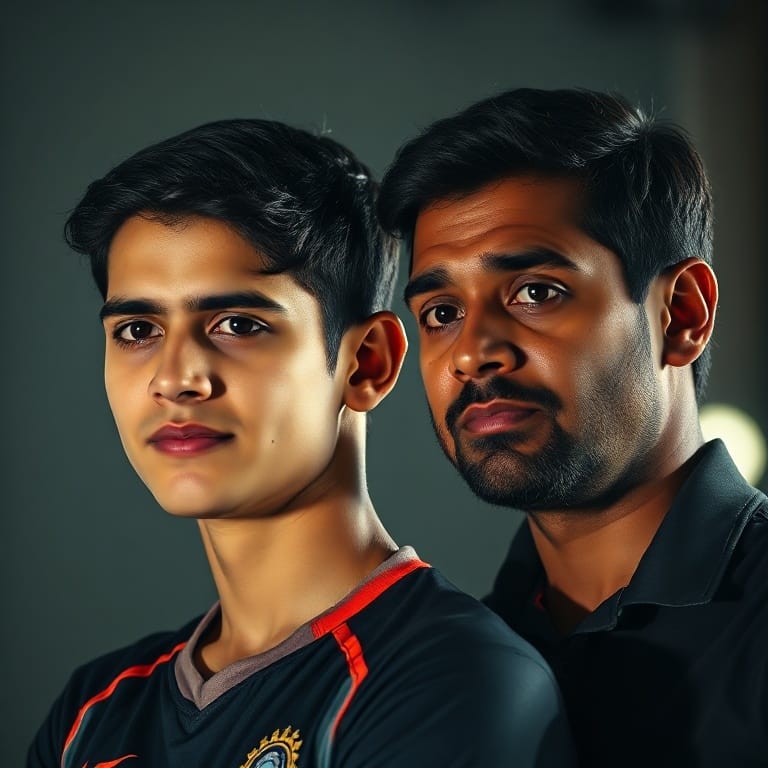
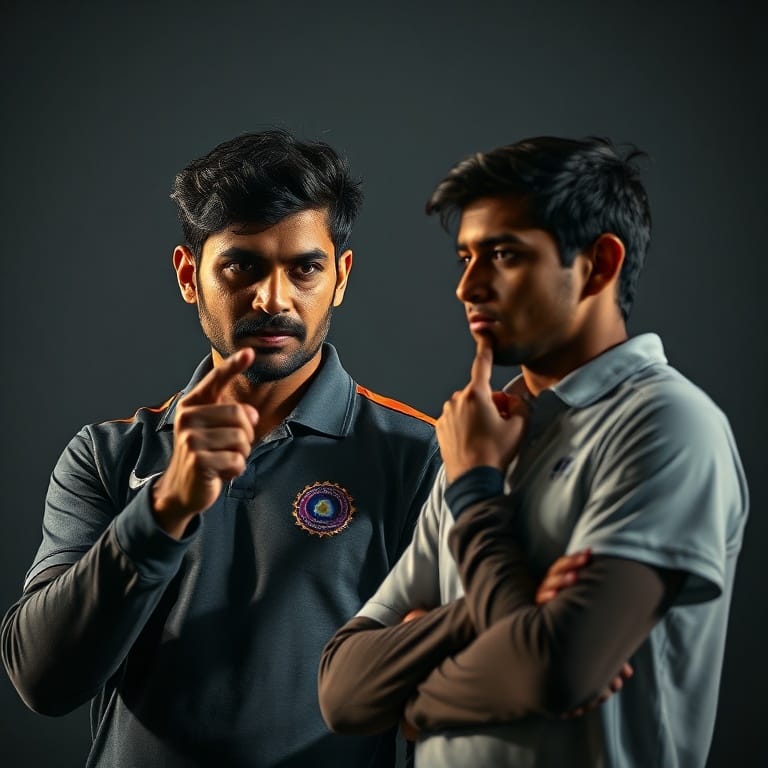
Ambati Rayudu has publicly suggested that Yashasvi Jaiswal should leave the Rajasthan Royals and find a new home where he can shine without sharing the spotlight with teenage phenom Vaibhav Suryavanshi. The comment has sparked a flood of debate about player development, team balance and the future of the IPL 2026 season.
The Stats Behind the Strategy
| Player | Matches | Runs | Average | SR | Sixes |
|---|---|---|---|---|---|
| Yashasvi Jaiswal (RR) | 15 | 426 | 32.8 | 153.2 | 34 |
| Vaibhav Suryavanshi (RR) | 12 | 481 | 48.1 | 189.5 | 58 |
| Rashid Khan (SRH) | 13 | 98 | 12.3 | 101.0 | 7 |
Jaiswal’s strike rate stays healthy, yet his average has slipped compared with his peak IPL years when he regularly averaged above 45. Suryavanshi’s numbers, on the other hand, show a player who can dominate any bowler on the Jaipur ground, where the pitch tends to stay low‑bounce early and turn sharply after the midway point.
Why the Grand Alliance Feels Unbalanced
Rajasthan’s opening pair was built on the premise of aggression from both ends. In theory, two power‑hitters can clear the fence before the 10‑over mark, demoralising the opposition. In practice, the 27‑ball 97 from Suryavanshi in the eliminator set a visual benchmark that Jaiswal now constantly measures against. The younger batsman’s willingness to take on the first few overs has forced Jaiswal into a supporting role, often climbing the scoreboard after the first 30 runs are already settled.
The psychological effect matters. When a partner consistently lights up the scoreboard, the senior player may feel pressure to either match the flamboyance or sit back and let the rookie take the reins. Rayudu’s point about a senior partner being “content to watch the carnage” reflects a classic IPL pattern: teams that pair a stable accumulator with a destructive finisher tend to clinch close games.
Venue‑Specific Considerations
Jaiswal grew up playing at the Wankhede, a ground where the short boundaries reward a big‑hitting left‑hander. The Mumbai outfield is fast, and the pitch typically offers good carry for lofted shots after the first few overs. By contrast, the Sawai Mansingh Stadium in Jaipur—a venue where RR plays most of its home games—features a slightly slower surface and a lower bounce, conditions that favor a wrist‑youth like Suryavanshi who can scoop and ramp effectively.
Moving to MI would give Jaiswal a familiar home ground with a proven track record of supporting left‑handed openers. The iconic Wankhede pitch has produced several 150+ opening stands, and MI’s batting depth could allow Jaiswal to anchor one end while another senior, perhaps Ruturaj Gaikwad or Suryakumar Yadav, supplies the fireworks.
Strategic Options for the Royals
If Jaiswal decides to stay, RR must rethink its top‑order composition. One possibility is promoting a middle‑order batsman, such as Riyan Parag, to open alongside Suryavanshi, preserving Jaiswal for the role of finisher at number three or four. That shift would give Jaiswal more freedom to accelerate after the powerplay, where his strike‑rate can truly shine.
Another route is to rotate the opening slot depending on the opposition. Teams with a strong pace attack could start Jaiswal, letting him face the new ball while Suryavanshi could be used as a pinch‑hitter later. This flexibility would also protect Jaiswal’s confidence, preventing a prolonged slump that could affect his future selection for the national side.
What This Means for the Rest of IPL 2026
The debate has already begun to shape auction chatter. Franchises looking for a marquee Indian opener see Jaiswal’s recent dip as a buying opportunity. If he lands at a team with a clear top‑order hierarchy—say, Chennai Super Kings or Sunrisers Hyderabad—he could rebuild his brand as the primary aggressor.
For RR, the decision hinges on whether they want to build a squad around the teenage sensation or maintain a balanced side with multiple threats. Retaining Jaiswal without adjusting the batting order could limit the team’s ability to post or chase 180‑plus totals, a benchmark that teams like KKR and MI have consistently hit this season.
Fans’ Take on the Situation
Supporters on social media are split. Some argue that Jaiswal’s pedigree deserves a platform where he can lead, pointing to his record in the 2022 and 2023 editions where he held the innings together after early wickets fell. Others feel loyalty to the Royals should outweigh individual ambitions, suggesting that a homegrown future star like Suryavanshi deserves the partnership to develop.
From a spectator’s perspective, the most exciting cricket arises when two stars complement rather than compete. If Jaiswal moves, fans will be eager to see how his chemistry with a new opening partner unfolds. If he stays, the narrative will focus on whether the Royals can engineer a tandem that doesn’t cannibalise each other’s runs.
Looking Ahead
As the IPL playoffs approach, the pressure will intensify. Jaiswal’s next few innings will likely dictate his market value and perhaps his decision on staying or moving. Meanwhile, RR will have to decide whether they double‑down on Suryavanshi’s meteoric rise or adjust the lineup to keep the team competitive.
The season’s outcome will hinge on a blend of raw talent, strategic batting orders and the ability of franchises to read the market’s signals. One thing is clear: the conversation sparked by Rayudu’s advice has added another layer of intrigue to an already unpredictable tournament.