Sourav Ganguly on Vaibhav Suryavanshi’s Test Prospects: Talent Meets Timing
Sourav Ganguly on Vaibhav Suryavanshi’s Test Prospects: Talent Meets Timing
This piece looks at the buzz surrounding 15‑year‑old Vaibhav Suryavanshi after his explosive debut for the Rajasthan Royals and the candid take former captain Sourav Ganguly gave on his Test prospects. The conversation matters because it touches on how India balances raw T20 talent with the grooming needed for the longer format.
Match and News Context
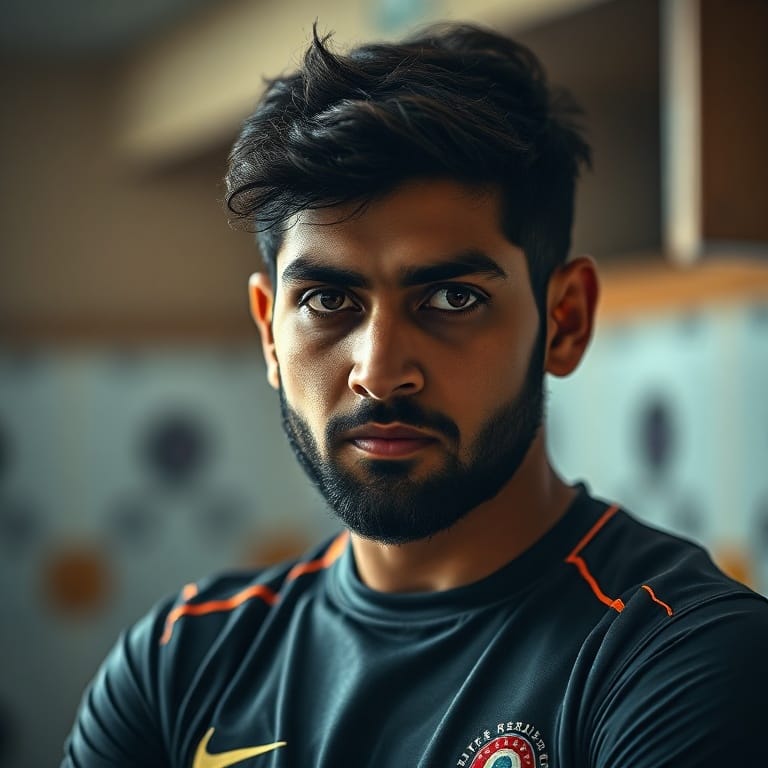
Vaibhav Suryavanshi burst onto the IPL 2026 scene with a half‑century against a seasoned bowling attack at the Sawai Mansingh Stadium in Jaipur. In a league where a single innings can swing the season, his 55 off 29 balls, laced with six sixes, sparked a wave of social‑media memes and headline talks about a teenage prodigy ready for the national side.
Ganguly, speaking to a Kolkata newspaper, praised the youngster’s swagger while urging a measured approach to his Test debut. The ex‑captain stressed that a player’s T20 fireworks do not automatically translate to the patience and technique demanded by five‑day cricket.
Tactical Analysis and Team Decisions
Rajasthan Royals have traditionally used a flexible top order that can absorb early swing and then accelerate. Suryavanshi was slotted at number three, a role that lets him face the first two power‑play overs before the field spreads. His instinct to target the spinners on the Jaipur surface allowed him to clear the boundary early, a decision that paid off as the opposition’s seamers struggled to contain the pace.
From a tactical viewpoint, his placement at three also meant the team could preserve a left‑handed anchor at one, ensuring a right‑left combination that disrupts bowler rhythm. The coaching staff, aware of his limited experience in the red ball arena, kept him out of the Ranji squad for the current season, preferring he polish his defense against moving deliveries.
Player Roles and Mindset
Vaibhav’s mindset appears to be shaped by the modern T20 ethos: attack first, think second. He treats every spell as a chance to hit a six, a habit that builds confidence but also carries the risk of premature dismissals in the longer format. His footwork against the turn on Jaipur’s slow, dusty tracks shows a budding ability to read the ball, yet the lack of a solid defensive back‑foot leaves a gap that Test selectors will not overlook.
Ganguly’s remarks highlight a generational shift. He compared Vaibhav’s fearlessness to the early careers of Virat Kohli and Rohit Sharma, noting that all three needed a spell of first‑class innings to refine their technique before cementing a place in the Test side.
The Stats Behind the Strategy
| Format | Matches | Runs | Avg | SR |
|---|---|---|---|---|
| IPL 2026 | 7 | 312 | 44.57 | 162.5 |
| U19 World Cup | 6 | 198 | 33.00 | 138.9 |
| Ranji (First‑Class) | 2 | 24 | 12.00 | 69.4 |
The numbers tell a clear story. In the shortest format his strike‑rate sits comfortably above 150, a metric that teams covet for the power‑play. Conversely, his first‑class outings have yielded modest returns, underscoring the gap Ganguly referenced. The contrast between his aggressive T20 numbers and the modest first‑class average is the statistical basis for keeping him out of the Test squad for now.
Player + Venue Linking
Jaipur’s Sawai Mansingh offers a pitch that slows down after five overs, rewarding batters who can rotate the strike against low‑pace, turning deliveries. Suryavanshi’s comfort against spin was evident when he dispatched a right‑arm off‑spinner for four sixes in a single over. Had he been placed on a bouncy, seam‑friendly track like Mumbai’s Wankhede, his tendency to go down the line early might have exposed a technical vulnerability.
In the Ranji arena, his debut came on Delhi’s Green Park, a venue known for early swing and a lively surface. The two early dismissals there highlighted the need for a tighter back‑foot defence before he can be trusted on greener pitches that Australian or English selectors might test him against.
Tournament Impact and What Comes Next
If Rajasthan Royals keep riding the wave, Vaibhav could finish the IPL season as one of the top five run‑scorers, a feat rare for any teenager. Such a performance would inevitably place pressure on the Board of Control for Cricket in India (BCCI) to fast‑track his development.
Ganguly’s advocacy for giving the likes of Auqib Nabi and Prince Yadav a chance at the Afghanistan series hints at a broader philosophy: fast‑track the talent that shows promise, but ensure they earn their stripes in the domestic circuit first. For Vaibhav, the logical next step is a full Ranji season, where he can learn to construct innings, leave balls judiciously, and build patience.
Fan Perspective and Grounded Opinions
Social media erupted with GIFs of Vaibhav’s sixes, fans dubbing him “The Jaipur Hurricane”. Yet seasoned followers of Indian cricket raised a cautionary note, reminding everyone that many T20 stars have faltered in Tests due to a lack of technique. In local cafés across Kolkata, patrons debated whether the board should bend tradition and hand a debut to a 15‑year‑old in the upcoming home Test against England.
Most fans agree that the excitement around Vaibhav is a sign of a healthy pipeline, but they also echo Ganguly’s call for a gradual build‑up. The consensus: enjoy the fireworks now, but keep the long‑game in sight.