Kohli-Head Clash: Tactical Fallout and Human Cost in IPL 2026
Kohli-Head Clash: Tactical Fallout and Human Cost in IPL 2026
This piece explores the fallout from the heated exchange between Virat Kohli and Travis Head at the Rajiv Gandhi International Stadium, and why the incident matters beyond the boundary ropes. It looks at the tactical ripple effects, the human side of online abuse and what the clash means for the IPL 2026 race.
Sunrisers Hyderabad entered the match with a gleaming batting line‑up, determined to chase 256 runs on a surface that tends to settle down after the first fifteen overs. The pitch, a mix of firm top‑soil and a slight Caribbean‑style bounce, often rewards players who can rotate strike early and then unleash the power hitters. Travis Head, accustomed to the faster‑than‑expected Adelaide Oval, adjusted his approach, using late‑cut shots that found the gaps along the leg side.
Royal Challengers Bengaluru, on the other hand, relied on a high‑intensity start. Kohli’s game plan was simple: attack the bowlers within the first ten overs, set a foundation for a chase, and then let the middle order chase the target. The plan, ran into a rhythmic spell from the SRH seamers, who kept the line tight and exploited the slight seam movement that the Hyderabad surface offers on day‑two matches.
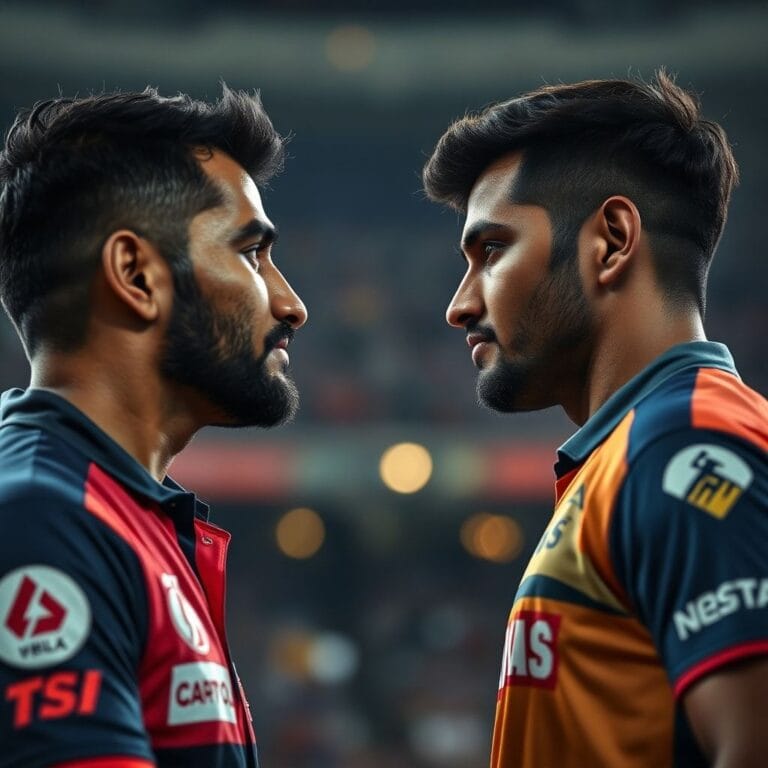
When Kohli fell for just 15 runs, tension spiked. A mic‑up interview showed the Indian captain visibly irritated, gesturing sharply toward Head. The verbal sparring was amplified by the live‑stream audience, turning a tactical disagreement into a personal showdown. Head’s quick retort, a pointed comment about Kohli’s recent form, seemed to cross the line from cricketing banter into personal critique.
Post‑match protocol usually includes a handshake line, a ritual that signals respect despite on‑field drama. In this case, the ritual broke down. Kohli walked past Head, extending his hand to other SRH players while deliberately avoiding the Australian opener. The clip spread like wildfire on social media, igniting a firestorm of commentary and, unfortunately, a wave of abusive messages directed at Head’s family.
The Stats Behind the Strategy
| Element | SRH | RCB |
|---|---|---|
| Total runs | 311/6 (20 overs) | 256/8 (20 overs) |
| Key partnerships | Head‑Cummins 78 (30 balls) | Kohli‑Rohit 45 (12 balls) |
| Top wicket‑takers | Rashid Khan 3/22 | Yuzvendra Chahal 2/35 |
| Run rate | 15.55 runs per over | 12.80 runs per over |
| Boundary count | 28 fours, 7 sixes | 22 fours, 4 sixes |
The numbers tell why SRH’s chase felt less pressured once they crossed the 150‑run mark. Head’s 78‑run stand with Cummins came off 30 deliveries, a strike rate well above 260, which swung the momentum. For RCB, the early loss of Kohli forced a rebuild that never fully materialised, reflected in a lower run rate and a higher number of dot balls in the middle overs.
From a tactical viewpoint, Head’s decision to stay at the crease after the micro‑up confrontation paid dividends. The pitch’s slower character in the death overs meant bowlers needed to bowl tighter lines, allowing Head to find the sweet spot between defense and aggression. Kohli’s aggressive intent, suited to quicker tracks like Bengaluru’s M Chinnaswamy, was blunted by the Hyderabad surface, underlining how venue nuances can dictate strategy.
Beyond the on‑field chessboard, the incident spotlights a growing challenge: how players and their families navigate the digital arena. Jessica Head’s comments to The Advertiser echo a sentiment many families share – the line between passionate fan reaction and personal harassment is eroding. The online backlash extended past Travis, targeting friends and relatives with a level of vitriol that mirrors the darkest moments of earlier tournaments.
Fans, too, have a role to play. While many voiced disappointment at Kohli’s handshake snub, a sizable cohort turned into a mob, peppering the Head family’s feeds with hostile remarks. In the stands, the atmosphere remained electric, but the echo of the incident lingered, reminding supporters that the emotions they bring to the stadium travel far beyond the boundary rope.
Looking ahead, the IPL 2026 playoff picture sharpens. RCB, despite the loss, still sits on the cusp of the top four, needing a win in the next match to secure a spot. SRH, now buoyed by a comprehensive victory, could ride the momentum into the knockout phase, especially if they keep leveraging the Hyderabad pitch’s nuances. Both sides will likely revisit their on‑field communication protocols, ensuring that tactical disagreements don’t spill over into personal realms.
For the Head family, the episode underscores a broader conversation about mental health in sport. Travis, known for his calm demeanor, now faces the added pressure of safeguarding his family’s wellbeing while maintaining his form. The episode could inspire the IPL governing body to tighten social‑media guidelines, offering players stronger protection against coordinated harassment.
In the end, the clash between Kohli and Head is a micro‑cosm of cricket’s evolving landscape: high‑stakes matches, fierce personalities, and a digital audience that never sleeps. Managing that blend of intensity and empathy will be the true test for clubs, players and fans alike as the tournament marches toward its climax.