Delhi Capitals vs Rajasthan Royals IPL 2026: Miller’s Catch, Suryavanshi’s Cameo, and Tactical Takeaways
Delhi Capitals vs Rajasthan Royals IPL 2026: Miller’s Catch, Suryavanshi’s Cameo, and Tactical Takeaways
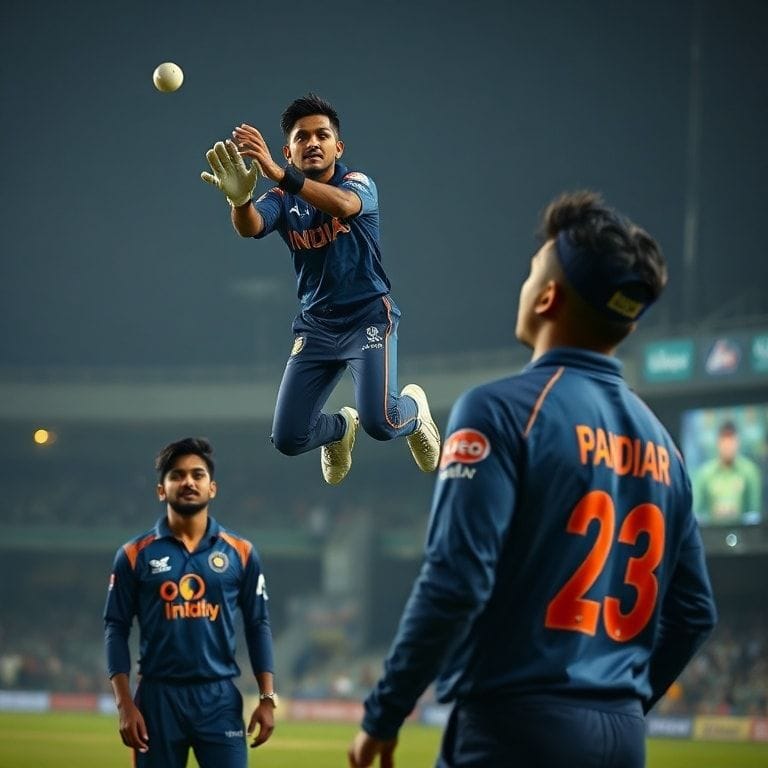
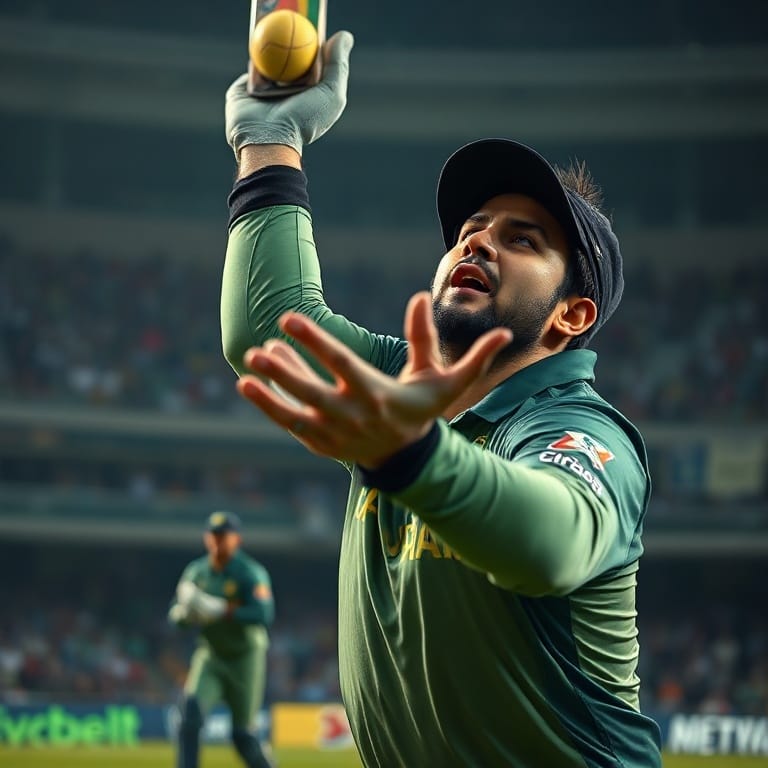
The IPL 2026 showdown at Delhi’s Arun Jaitley Stadium saw Rajasthan Royals chase a mammoth total against the host Capitals, and a single piece of fielding brilliance turned a potential onslaught into a headline moment. David Miller’s diving catch of Vaibhav Suryavanshi not only halted a blistering cameo but also reminded everyone that a single slip can reshape a match’s narrative.
Match Context and Tactical Choices
Delhi won the toss and chose to field, a decision shaped by the low-bounce, hard-packed Delhi pitch that favours seamers early on. Captain Rishabh Pant backed his pacers, expecting to choke the Royals’ fire-brand openers. The plan paid off when Lungi Ngidi took Yashasvi Jaiswal at 12, proving the early-over swing was alive and kicking.
Rajasthan rebounded with a fearless middle order, and the spotlight quickly shifted to 19-year-old Vaibhav Suryavanshi. The youngster’s 46 off 21 balls, laced with five fours and three sixes, displayed a textbook aggressive intent for a pitch that traditionally rewards a measured approach. His cameo pushed the scoreboard to 89/2 before the catch off Madhav Tiwari’s 129 km/h delivery.
The Stats Behind the Strategy
| Player | Runs | Balls | Strike Rate | Key Moment |
|---|---|---|---|---|
| Vaibhav Suryavanshi | 46 | 21 | 219.04 | Explosive 46 before caught at long-off |
| Riyan Parag (c) | 51 | 26 | 196.15 | Captain’s knock, 5 fours, 5 sixes |
| Madhav Tiwari | 0 | 2 (overs) | — | Bowled the breakthrough at 7.3 overs |
| David Miller | — | — | — | 24-meter sliding catch, game-changing fielding |
| Delhi Capitals – Run Rate (15 overs) | 11.23 rpo | |||
The numbers tell a clear story: the Royals were cruising at an 11.23 run-per-over rate, a pace that would eclipse 225 runs if sustained. Miller’s catch slashed that momentum, forcing Rajasthan to rebuild rather than coast.
Player Roles and Mindset on a Delhi Pitch
Delhi’s surface, known for a compact bounce and a hard-packed cover, favours back-foot strokes. Suryavanshi’s willingness to swing at high-velocity deliveries reflected a modern-age mindset: seize the powerplay, let the scoreboard speak. Miller, on the other hand, approached the field with a veteran’s anticipation. He read Tiwari’s off-stump line, positioned himself at long-off, and sprinted 24 meters to turn a routine drive into a turning point.
Riyan Parag embraced the role of an aggressor-turned-anchor. After the early wicket, he accelerated, knowing Delhi’s bowlers were leaning on their pace attack. His 51 off 26 balls kept the run rate ticking and forced the Capitals to stretch their overs and resort to defensive fields.
Bowling Decisions and Their Ripple Effect
Delhi’s bowlers started with the traditional swing-first approach. Starc’s early burst earned Ngidi’s catch of Jaiswal, but the plan stalled once the Royals shifted gears. Tiwari’s slot delivery at 129 km/h was the perfect blend of pace and line, targeting the edge of the off-stump where Suryavanshi’s drive faltered. Mukesh Kumar’s 40 runs in two overs and Tripurana Vijay’s 29 in two highlighted the cost of underestimating the Royals’ powerplay firepower.
In the death overs, Delhi will need to inject a mix of slower bouncers and yorkers, leveraging the low-bounce pitch to force mistimed lofted shots. The presence of Axar Patel as a left-arm spinner could also add a wobble that disrupts the Royals’ timing, especially as they eye the deep-batting order of Ferreira and Dubey.
Tournament Impact and What Comes Next
If Rajasthan posts a total north of 220, the Capitals face a steep climb in the points table. A win for Delhi would keep them in the top-four chase, but a loss could see them slipping to the brink of the eliminator zone. For RR, the match is a benchmark of batting depth; a solid total would cement their position as one of the most feared chases of the season.
Looking ahead, the next fixture pits Delhi against a side that relies heavily on spin. The Capitals must recalibrate, perhaps promoting a spinner earlier to exploit the turning potential of the Delhi outfield, which can be sticky under the night lights.
Fan Perspective and Grounded Opinions
Supporters in the stands felt a surge of adrenaline as Suryavanshi unleashed his hammer, only to be left speechless when Miller’s glove kissed the ball inches off the turf. Social media erupted with clips of the catch, many dubbing it “the moment that saved Delhi”. Yet, fan chatter also recognizes that a single fielding heroics cannot mask a broader batting collapse. The consensus is clear: Rajasthan’s batting brigade must finish what they started, while Delhi needs to tighten up the death overs and perhaps rethink the early-over aggression.
In the end, cricket remains a game of fine margins. One spectacular catch, one missed six, one strategic timeout—each molds the story of a match that will be talked about long after the lights are dimmed at Arun Jaitley Stadium.