Netherlands Women’s Historic T20 World Cup Debut Led by Captain Babette de Leede
Netherlands Women’s Historic T20 World Cup Debut Led by Captain Babette de Leede
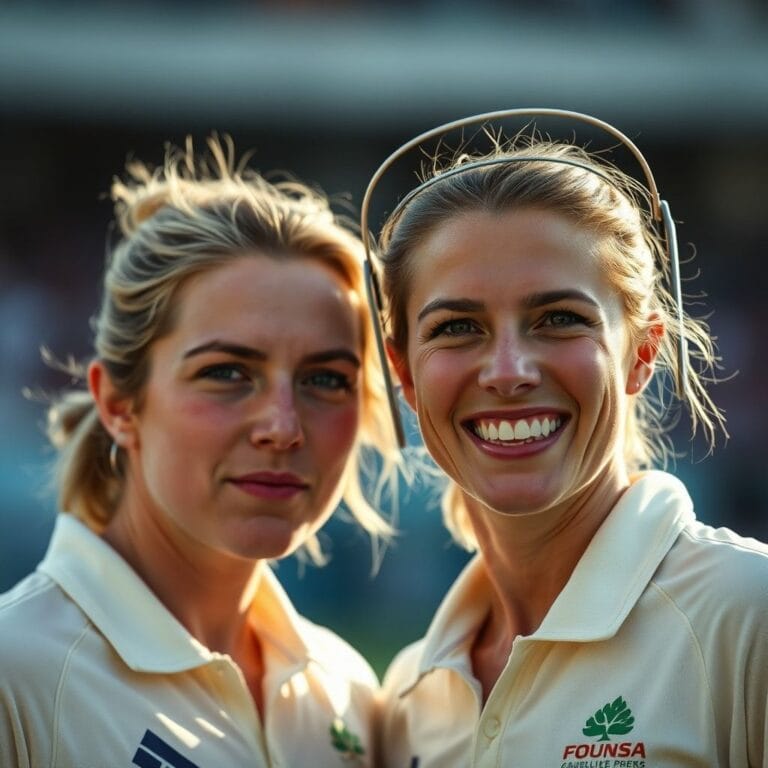
The Netherlands women’s cricket team have announced a historic squad for their first ever ICC Women’s T20 World Cup in England, with wicket‑keeper Babette de Leede at the helm. The move marks a turning point for Dutch cricket and puts a spotlight on a side eager to prove itself against the sport’s powerhouses.
Qualified through a gritty campaign in Nepal, the Dutch outfit now faces a brutal group that includes India, Australia, South Africa, Bangladesh and Pakistan. While the odds look steep, the team’s blend of youthful energy and seasoned leadership gives them a fighting chance to surprise, learn and inspire a new generation of Dutch girls.
The Stats Behind the Strategy
| Player | Matches | Runs | Avg | SR |
|---|---|---|---|---|
| Babette de Leede (c) | 32 | 582 | 24.2 | 112 |
| Heather Siegers | 28 | 417 | 20.8 | 118 |
| Silver Siegers | 30 | 350 | 22.0 | 105 |
| Frederique Overdijk | 27 | 210 | 15.0 | 98 |
| Robine Rijke (sp) | 25 | — | — | — |
Babette’s strike‑rate sits comfortably above 110, meaning she can provide quick starts or steady finishes depending on the match situation. The twin Siegers sisters bring a mix of middle‑order stability and leg‑side flair, while Overdijk’s off‑spin offers a variation that has troubled teams in the qualifiers. The statistics underline a balanced unit that can adapt to both flat tracks and turning wickets.
Player and Pitch Pairings
England’s venues present a patchwork of conditions. Edgbaston, where the Dutch open against Bangladesh, is known for its true bounce and a tendency for the ball to grip a little on the fourth‑year surface. That helps Overdijk’s off‑spin find turn early, especially when the pitch dries under the afternoon sun.
Leeds is a classic seam‑friendly ground, offering movement for fast bowlers. While the Dutch lack a frontline pacer, the swing‑friendly atmosphere suits the left‑arm medium‑pace of Iris Zwilling, who can swing the ball both ways.
Southampton’s low‑scoring reputation means teams often rely on precision. Here, Babette’s role as keeper‑batter becomes crucial; her quick hands can turn half‑chances into wickets, and her calm demeanor helps steady the chase.
Bristol, hosting South Africa and Pakistan, is a spin‑tolerant venue in the evenings. The Siegers sisters can exploit the rough patches that develop, delivering crucial breakthroughs in the death overs.
Tactical Outlook and Team Decisions
The Dutch coach has opted for a clear batting order: Babette opens with a partner who can see the ball early, allowing her to take charge of the innings tempo. The middle order, anchored by Heather and Silver, is tasked with rotating the strike and preserving wickets for a final push.
- Openers: Babette de Leede + Caroline de Lange (right‑hand, aggressive starter).
- Middle: Heather Siegers (steady accumulator), Silver Siegers (utility player, can accelerate).
- Lower order: Overdijk (spin), Rijke (pace), with an extra bowler in the tail for flexibility.
On the bowling front, the team relies on a quartet of spinners – Overdijk, the Siegers twins and a part‑time leg‑spinner – complemented by three seamers who can swing the ball in English conditions. The plan is to keep the run rate low on the first ten overs, then use the spinners in the middle phase to apply pressure.
Mindset and Leadership
Babette’s appointment carries weight beyond the tactical. Coming from a family that has represented the Netherlands at men’s World Cups, she feels a lineage of responsibility. In interviews she spoke of “playing for the girls watching at home” and “showing that a small nation can compete on a big stage.” That personal drive translates into a calm, measured captaincy style: she encourages players to focus on each ball rather than the size of the opponent.
The squad’s core remains unchanged from the qualifiers, which reinforces trust and camaraderie. Knowing each other’s strengths inside‑out helps them execute field placements and bowling changes without hesitation.
Fan Pulse and What Comes Next
Netherlands supporters have already begun making the trek across the Channel, painting orange flags and chanting in local pubs. The buzz on social media mixes pride with a healthy dose of nervous optimism. Many fans see the tournament as a catalyst that could unlock funding, grassroots programs and regular fixtures against stronger nations.
Regardless of how far the Dutch progress, the experience will feed into the upcoming tri‑series in Scotland. Those matches act as a rehearsal, letting the team test line‑ups, refine strategies and gauge how their bowlers cope with seaming conditions.
If the Netherlands can scrape a win or two, they will finish the group with a respectable net run rate that could earn them a spot in the Super Sixes, an achievement that would echo throughout European cricket. Even a string of close losses will provide data points to shape the next development cycle for women’s cricket in the country.
the Netherlands’ first World Cup is about more than a single tournament; it is a statement of intent, a chance for players to grow, and a beacon for aspiring cricketers back home.