Chennai Super Kings Dominate Delhi Capitals in IPL Clash
Chennai Super Kings Dominate Delhi Capitals in IPL Clash
The clash at Arun Jaitley Stadium saw Chennai Super Kings cruise to an eight‑wicket win over Delhi Capitals, a result that reshapes the early IPL table and leaves the Capitals scrambling for playoff hope. The match also gifted wicket‑keeping captain KL Rahul a moment of brilliance that briefly re‑ignited Delhi’s chances before the inevitable collapse.
The Stats Behind the Strategy
| Team | Runs | Wickets | Overs | Key Bowler | Figures |
|---|---|---|---|---|---|
| Delhi Capitals | 155 | 7 | 20 | Noor Ahmad | 2/22 (3 overs) |
| Chennai Super Kings | 156/2 | 2 | 18.3 | Sanju Samson | 87* (52 balls) |
Two numbers tell the story. First, Delhi’s 155 at a venue that usually yields 170‑180 under lights shows a batting line‑up that never found a rhythm. Second, Samson’s 87 at a strike rate of 167 highlights a chase that needed just half the target to get comfortable. The contrast between a tight three‑over spell from Noor Ahmad (economy 7.33) and the expensive outings of Starc (0/30, 4 overs) and Kuldeep (0/34, 4 overs) underlines a bowling plan that never clicked for the home side.
Tactical Canvas: How the Teams Set Their Boards
Delhi opened with the new ball, trusting Lungi Ngidi’s pace to carve early wickets. Ngidi’s first over produced a top‑order wicket – Ruturaj Gaikwad caught behind for six – but the momentum stalled. The Capitals’ answer was to unleash the spin duo early, but Axar Patel, the left‑arm wizard, altered length on the seventh over, squeezing the ball back into the corridor. That decision forced Urvil Patel onto the back foot and produced the stumping that became the match’s headline.
Chennai, on the other hand, kept a flat batting order intent on a quick start. Opening with Ruturaj Gaikwad and Sanju Samson meant the team could afford a single early wicket without losing momentum. When Gaikwad fell for six, Samson’s approach shifted to anchoring while still rotating the strike. The impact player, Kartik Sharma, was introduced at 70/1, a calculated move to keep the scoreboard ticking as the target slipped below 100.
Player Roles, Mindsets, and the Pitch
Arun Jaitley’s Delhi surface is a blend of dry, crusty patches and a bit of moisture in the evenings. The pitch favors wrist spinners who can extract turn after the first 10 overs, and it punishes batsmen who try to dominate early. Axar Patel read the surface perfectly – his change of pace in the seventh over turned a potential six‑hit into a dismissal.
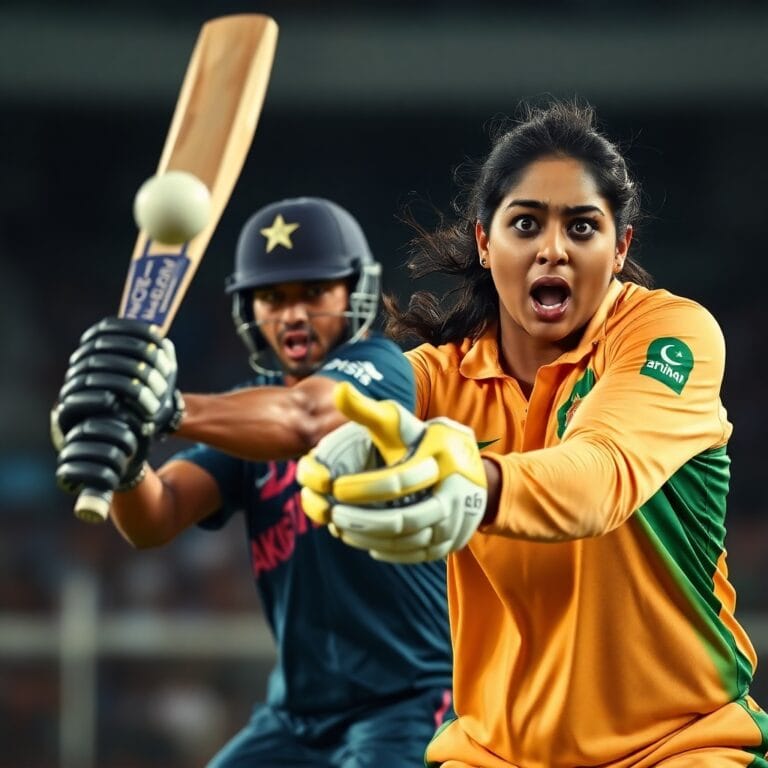
Urvil Patel, a hard‑hitting left‑hander, seemed primed for a blitz, yet his point of attack – lofted drives over the boundary – was risky on a surface that sometimes holds the ball. The stumping was less about speed and more about crisp footwork from KL Rahul, whose reflexes cut through the humid Delhi air. Rahul’s keep‑keeping has always been underrated, and this moment reinforced his value as a dual‑role captain.
Sanju Samson, accustomed to the seaming tracks of Chennai, adapted his game to a slower surface by employing a sweep and a well‑timed slog sweep, turning spin into a scoring avenue. His 87 came largely off the back foot, a testament to a mindset that prioritised staying alive over flamboyant stroke‑play.
Kartik Sharma, the impact player, played a classic power‑hitting role, reducing the required run‑rate to a manageable 7.5 per over. His 41 off 31 balls contained two fours and three sixes, acting as the bridge between Samson’s anchor and the final sprint.
Tournament Ripple Effects
With the win, Chennai leap into the top two, positioning themselves as early favorites for a playoff spot. Their balance of experienced spin, a deep batting order, and flexible impact player usage gives them a template that other franchises will study.
Delhi, meanwhile, slides to the lower half of the table. The loss of early power‑hitting options and an inability to break through a disciplined spin attack expose a fragility that opponents will aim to exploit. Their next three fixtures include a clash with the Rajasthan Royals on a turning track, a scenario where the same tactical missteps could repeat unless they tighten the middle order.
For the league, the match reinforces the growing importance of impact players. Both teams used their fifth‑man strategically – Chennai to accelerate, Delhi to shore up the lower order – a trend that could dictate squad composition for the rest of the season.
Fans’ Lens: What the Crowd Felt
The Delhi crowd arrived with hope, chanting “Kapil Kapil” for the home side’s mid‑innings surge. When Urvil Patel smashed his first two sixes, the stadium roared, only to fall silent as Rahul’s stumping reverberated. The collective gasp that followed highlighted how a single wicket can swing emotions.
Chennai fans, meanwhile, displayed calm confidence. The chants for “Samson” grew louder with each boundary, mirroring the scoreboard’s steady climb. In the stands, you could see a mixture of seasoned supporters analyzing spin variations and younger fans simply celebrating each six.
On social media, the stumping video trended instantly, spawning memes that juxtaposed Rahul’s quick reflexes with classic Bollywood action chops. The overall fan sentiment points to a league that still delivers drama at every corner, and a reminder that even in a one‑sided match, moments of brilliance keep the narrative alive.