Klaasen’s Return Could Seal South Africa’s 2027 World Cup Bid
Pietersen’s Plea: Should Klaasen Un-Retire for South Africa’s 2027 World Cup Campaign?
Kevin Pietersen’s recent tweet has reignited a debate that could reshape South Africa’s roadmap to the 2027 ODI World Cup. The former England skipper argues that wicket‑keeper‑batter Heinrich Klaasen should un‑retire and become the linchpin of a Proteas side that finally wants to lift the coveted trophy on home soil.
The conversation matters because South Africa’s cricketing narrative has shifted dramatically over the last three years. A T20 World Cup final appearance in 2024 and a Test Championship win in 2025 have erased the “choker” label, but an ODI crown still eludes them. Adding a player of Klaasen’s calibre could be the catalyst that turns belief into a title.
The Stats Behind the Strategy
| Metric | Klaasen (2026 IPL) | Average ODI Batting Avg (South Africa 2023‑26) | Venue Avg (Johannesburg, 2027 WC) |
|---|---|---|---|
| Runs (season) | 414 | 38.2 | — |
| Strike Rate | 157.3 | 91.4 | — |
| Boundaries per 100 balls | 9.2 | 6.1 | — |
| Dismissals (catches + stumps) | 12 | 10.5 | — |
| Avg runs at Johannesburg (2024‑26) | — | — | 62.5 |
The numbers tell a story beyond flash. Klaasen’s strike rate sits well above the Proteas’ recent ODI averages, and his boundary frequency could be decisive on Johannesburg’s hard, bouncy pitches where the ball comes onto the bat nicely. The venue itself historically favours aggressive top‑order play, with teams averaging 62.5 runs in the powerplay at the Wanderers.
Why Klaasen’s Return Makes Tactical Sense
South Africa’s current ODI blueprint hinges on a blend of power hitting and disciplined middle‑order consolidation. The top order – Quinton de Kock, Rassie van der Dussen, and a revived David Miller – provides a solid platform, but the middle order has struggled to finish games when wickets fall early. Klaasen offers a dual role: a wicket‑keeper who can accelerate the scoring rate and a finisher who thrives under pressure.
From a field‑placement perspective, his ability to clear the mid‑wicket boundary means captains can afford to set a more aggressive slip cordon in the early overs, knowing the risk of a quick 30‑run surge is mitigated. Moreover, his glove work adds a reliable backup to de Kock, allowing the team to rotate the keeper without losing batting depth.
Player Mindset and Preparation
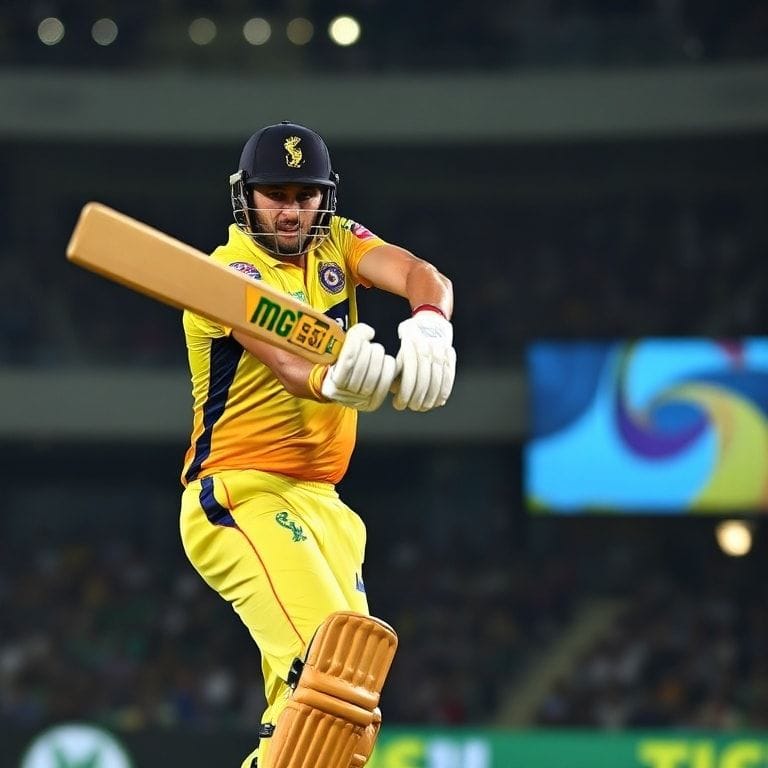
Klaasen’s IPL stint has been a masterclass in handling high‑pressure chase scenarios. The win‑or‑lose match against Mumbai Indians showcased his calm in the death overs, where he struck three fours and two sixes in the last five balls to seal a three‑run victory. That experience translates directly to the World Cup’s knockout phase, where a single over often decides the outcome.
Mentally, returning from retirement involves reconciling personal motivation with national expectations. Pietersen’s call to the board underscores a belief that Klaasen still craves the international limelight. If the Proteas can provide a clear role – opening bat, middle‑order anchor, or even a flexible batting‑keeper hybrid – it could ignite his competitive fire.
Team Decisions and Squad Balance
Integrating Klaasen would force a reshuffle. The current backup keeper, JD Charlton, might be shifted to a specialist batsman slot or dropped in favour of an extra all‑rounder. The selection committee must weigh the loss of a promising seam option against the gain of a proven T20 dynamo.
One possible eleven for a Johannesburg match could look like:
- Quinton de Kock (wk)
- Heinrich Klaasen (wk‑bat)
- Rassie van der Dussen
- David Miller
- Heinrich Sibanda (all‑rounder)
- John Rutherford (spin)
- Lungi Ngidi (fast)
- Anrich Nortje (fast)
In this set‑up, Klaasen would bat at No 3 or No 4, giving the team a surge in the middle overs while de Kock handles the opening swing. The extra all‑rounder provides depth in both batting and bowling, compensating for the possible loss of a specialist bowler.
Tournament Impact and What Comes Next
The 2027 World Cup’s 14‑team, Super‑Six format means every point earned early counts heavily toward the knockout stage. South Africa’s familiarity with Johannesburg, Durban, and Port Elizabeth pitches could give them a home‑field edge, but the competition will be fierce. India, England, and a rejuvenated Australia squad are all looking to dominate the points table.
If Klaasen joins, the Proteas could aim for a top‑two finish in the group stage, securing a favorable Super‑Six matchup. A strong powerplay boosted by his aggressive intent could set up comfortable chases or defend totals with a buffer for late‑innings wickets.
Fan Perspective and Grounded Opinions
South African fans have grown weary of the “close but no cigar” narrative. The 2024 T20 final loss to England still haunts many, while the 2025 Test victory sparked a wave of optimism. Social media chatter reflects a split sentiment: some fans view Klaasen’s return as a bold, needed gamble, while others caution against resurrecting a player who voluntarily stepped away.
In stadiums across the country, the chant “Klaasen, Klaasen, bring the win!” has already begun to echo. Yet a realistic section of the fanbase reminds the board that success hinges on a collective effort, not a single hero. The consensus leans toward giving Klaasen a chance, provided the team maintains its depth and doesn’t compromise on bowling options.
Ultimately, the decision will test CSA’s willingness to blend experience with fresh talent. If they act swiftly and integrate Klaasen into the core group, South Africa could finally write the first chapter of an ODI World Cup victory on home soil.
Cricket Desk: Want more on Associate cricket strategy? Check out our Associate cricket strategy Latest News & Stats.