Bangladesh T20 World Cup boycott a blunder, says Shakib Al Hasan
Shakib Al Hasan Labels Bangladesh Cricket Board’s T20 World Cup 2026 Boycott Decision a ‘Blunder’
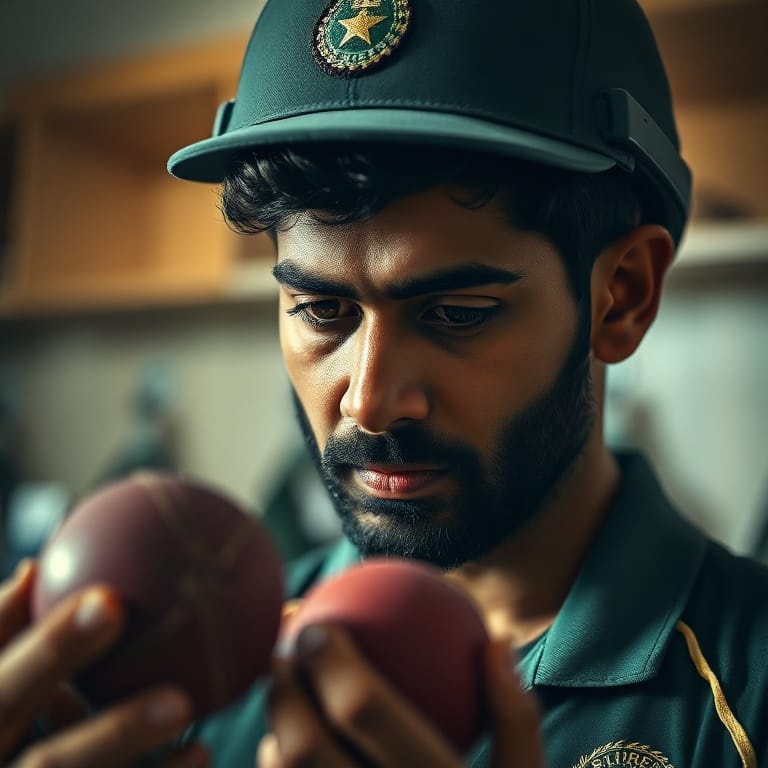
The Bangladesh Cricket Board’s decision to sit out the 2026 T20 World Cup has sparked debate across the cricketing world. Veteran all-rounder Shakib Al Hasan has publicly criticized the move, calling it a strategic mistake that impacts players, fans, and the nation’s cricket growth.
Why the boycott matters
Bangladesh stepping back from the global stage doesn’t just leave a gap in the schedule. It also cuts off access to vital ICC funding, denies emerging talents a chance to shine on the biggest platform, and affects the country’s position in the T20I rankings. Beyond the field, the action strains relations with the BCCI, complicating future tours and cooperation.
Team considerations that went awry
The core issue began with Mustafizur Rahman’s unexpected release from Kolkata Knight Riders. What started as a contractual disagreement snowballed into a full-blown diplomatic standoff. Rather than addressing it quietly, the BCB chose a high-stakes exit, trading valuable playing time for a symbolic protest.
Coaches argue that missing such a tournament removes a critical environment where players grow. Spinners learn to adapt their deliveries, batters face elite bowling attacks, and bowlers sharpen death-over skills—all under intense spotlight. These moments shape careers.
Player + venue linking
Shakib’s left-arm spin finds traction on the turning tracks of Dhaka’s Sher-e-Bangla Stadium. The slow surface rewards patience and guile—qualities he’s built his legacy on. Mustafizur, known for his toe-crushing yorkers, benefits from Kolkata’s green-top pitches at Eden Gardens, where swing bowling thrives in humid conditions.
Rising pacer Tanzim Hasan could have tested himself at Mumbai’s Wankhede Stadium, where pace and bounce rule. Those conditions demand accuracy and mental strength—traits that develop best during global exposure.
The Stats Behind the Strategy
| Metric | Bangladesh (2024–25) | Average Tier-2 Team |
|---|---|---|
| T20I win % | 48% | 41% |
| Runs scored per innings | 151 | 145 |
| Wickets taken per match | 6.3 | 5.8 |
| ICC distribution (2025) | $3.2 million | $1.7 million |
Bangladesh performs above average among associate nations. Losing out on over $3 million affects not just infrastructure but youth programs too. Their win rate suggests they’re ready to climb higher—if given consistent global opportunities.
What the boycott does to the tournament
Scotland replaces Bangladesh, offering different tactical approaches and loyal followers. Still, Bangladesh’s aggressive chasing style would’ve added drama to group matches. Broadcasters lose a key demographic in South Asia, affecting ad revenues and viewership metrics.
Fan reaction across the subcontinent
In Dhaka, fans express sadness online, feeling robbed of a spectacle they looked forward to. Many believe politics shouldn’t interfere with sport. In Kolkata, though, some support the BCCI’s stance, viewing the BCB’s actions as disproportionate.
Local vendors around cricket grounds lament lost income. Tea stalls, food carts, and merchandisers often rely on big-match crowds. This boycott hits small businesses hard.
What comes next
Shakib supports resuming ties through a bilateral T20 series with India later in 2026. A short tour could rebuild trust while preparing players for bigger events. If successful, it opens doors for re-entry into future ICC competitions.
Without action soon, Bangladesh risks being sidelined further. Re-engagement must happen before planning begins for the next major ICC event.
Grounded opinion
To many neutral observers, boycotting feels like choosing noise over progress. While making a point matters, losing ground in global cricket carries lasting consequences. Fans want excitement, and players deserve meaningful competition. A focused series followed by honest talks might be the path back.
Cricket Desk: Want more on cricket politics? Check out our cricket politics Latest News & Stats.