Rohit Sharma Injury Puts Mumbai Indians Under Early IPL Pressure
Mumbai Indians Face Early Struggles Amid Rohit Sharma Injury Concerns
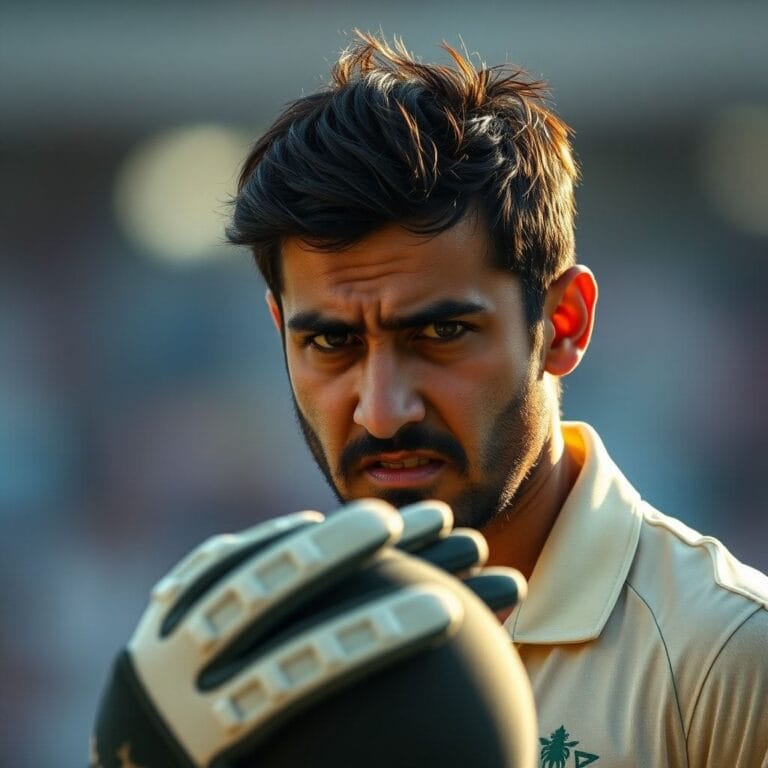
Mumbai Indians have hit a bump early in IPL 2026 after Rohit Sharma limped off with a hamstring strain. Coach Mahela Jayawardene’s update reassured fans that the injury is not severe, but the team’s wider slump means the captain’s return could be a turning point.
The Stats Behind the Strategy
| Metric | Rohit Sharma (2025) | Rohit Sharma (2026, 4 matches) | Team Impact |
|---|---|---|---|
| Average runs per innings | 58.3 | 39.5 | Top-order stability dipped 18 runs per game |
| Strike rate | 132.1 | 128.4 | Runs came slower, putting pressure on middle order |
| Boundaries per innings | 5.8 fours, 1.2 sixes | 4.3 fours, 0.8 sixes | Fewer quick fire bursts, fewer ends defended |
The numbers make clear why the coaching staff refuses to rush Rohit back. Even a modest dip in strike rate translates into a tighter chase or a larger target. MI’s bowlers have also felt the ripple – they have bowled 12 overs more than in the same phase of last year, trying to compensate for the shortfall at the top.
Match Context and Early Season Pressure
April 16 saw MI tumble to Punjab Kings, a match where Rohit’s hamstring flared after a sharp sprint between the 30-run and 40-run marks. The injury forced a forced shuffle, with Quinton de Kock stepping in and firing an unbeaten 101. De Kock’s heroics highlighted the squad’s depth, yet the win was thin; MI scraped 176-174, relying on a fielding masterclass from Shreyas Iyer to claw back.
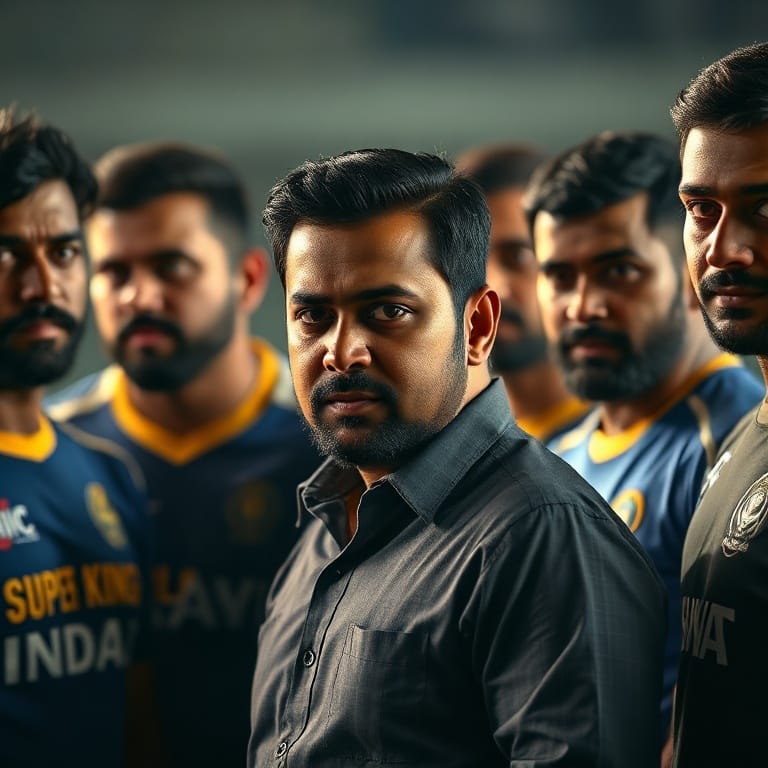
That narrow escape did little to erase the unease of a table-bottom position. The team has recorded three losses in six games, a record that puts them in the bottom quarter of the points table and raises doubts about their ability to qualify for the playoffs. The early season is unforgiving – every dropped point multiplies the pressure on senior players and coaching decisions.
Tactical Pivots and the Coaching Chessboard
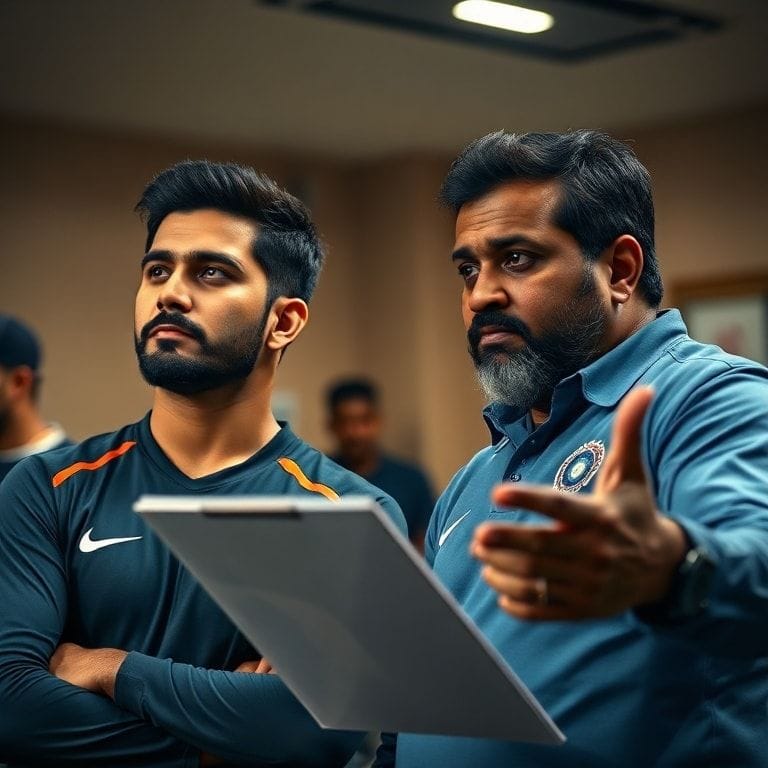
Jayawardene’s public statements are more than reassurance; they are a window into a longer-term plan. By allowing Rohit to resume light running rather than sprint drills, the staff is protecting the hamstring’s scar tissue while still keeping the player in the rhythm of the game. The medical team monitors his gait, using high-speed cameras to spot any asymmetry that could signal a recurrence.
On the field, MI have experimented with a flexible top-order. When de Kock opens, the right-handed powerplay is balanced by a left-handed middle order – a tactical move to keep the opposition bowlers guessing. In the bowling department, head coach Mahela has leaned on veteran pacer Jasprit Bumrah to bowl from the death, while giving younger seamer Arshad Khan longer spells to build confidence.
- Opening pair: de Kock + Iyer (if Rohit absent)
- Middle order safety net: Hardik Pandya, Rahul Tripathi, Suryakumar Yadav
- Death bowling combo: Bumrah + Rahul Chahar
The decision to keep Rohit out of the death overs, even if he feels fine, aligns with a risk-averse approach. Rohit’s batting style is built on timing rather than sheer power, making him vulnerable if a hamstring cramp appears late in a chase.
Player Mindsets and the Psychology of Injury
Rohit Sharma is known for his pragmatic self-assessment. In interviews he often says he “listens to his body,” a habit that now serves the team well. By taking the reins on his own comeback, he removes the pressure of external expectations, letting the medical team dictate pace.
De Kock, on the other hand, thrives on responsibility. His unbeaten century was a statement that the side can survive without the captain, but it also placed a mental load on him. He admitted after the match that the “weight of expectation” sits heavier when he knows Rohit is watching from the sidelines.
Youngsters like Shubman Gill and Arshad Khan see the situation as a chance to demonstrate resilience. Gill’s recent 68 at Wankhede was praised for its composure, and he spoke about “learning from seniors’ handling of setbacks.” The locker room vibe, as per sources, is a blend of optimism and a silent acknowledgment that consistency is still missing.
Tournament Impact and the Road Ahead
If Rohit returns within the next two weeks, MI could see a swing in momentum. The upcoming clash with Gujarat Titans is a pivotal fixture; a win there would lift MI out of the relegation zone and restore confidence. Conversely, a loss could deepen the crisis, forcing the management to consider a mid-season overseas replacement for the captaincy – an unlikely but conceivable option given the IPL’s fluid roster rules.
The broader IPL picture adds another layer. Teams like Sunrisers Hyderabad and Rajasthan Royals have already secured playoff spots, tightening the race for the remaining slots. MI cannot afford a prolonged slump; each match now feels like a must-win.
Fan Perspective and Grounded Opinions
On social platforms, the fan base has moved from panic to measured hope. Threads on Twitter celebrate de Kock’s century but caution against “pinning all hopes on a single player.” Commentators on local sports shows echo this sentiment, noting that MI’s bowling economy has ballooned to 8.7 runs per over – an area where the team must improve regardless of Rohit’s status.
Season ticket holders shared a common thought: the team’s identity rests on its blend of experienced leaders and fearless youngsters. The prevailing view is that Rohit’s eventual return will be most valuable if it coincides with a tighter bowling unit and a clearer batting hierarchy.
In the end, the IPL 2026 narrative for Mumbai Indians is still being written. The coach’s calm update on Rohit’s hamstring is a small chapter, but the larger story depends on how the side adapts, how quickly the medical staff clears the captain, and whether the collective will turn a series of narrow defeats into a comeback run.
Cricket Desk: Want more on Associate cricket strategy? Check out our Associate cricket strategy Latest News & Stats.