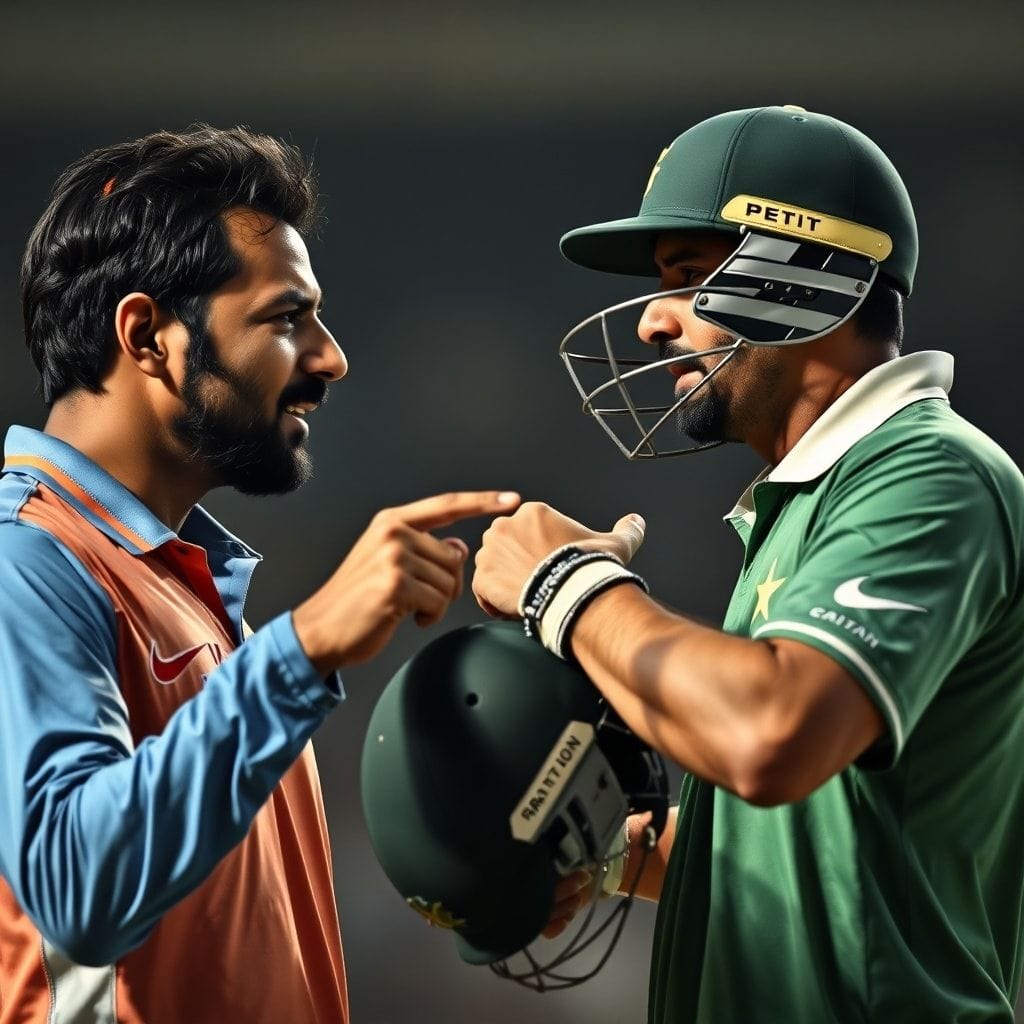
Zimbabwe’s Win Over Australia: A Fresh Twist in India’s World Cup Tale
The latest chapter of the T20 World Cup 2026 has added a fresh twist to an old cricket folklore. Zimbabwe’s 23-run win over Australia at the R. Premadasa Stadium has been hailed as a harbinger of India’s title hopes, reigniting a pattern that stretches back to 1983. Fans and pundits alike are watching the “Zimbabwe prophecy” with a mix of excitement and nerves.
India, under the captaincy of Suryakumar Yadav, sits atop Group A after dispatching the USA and Namibia with authority. The team’s balance of power hitting, crafty spin and all-round contributions paints a picture of a side ready to seize the trophy. Yet the real drama lies in how a single match involving Zimbabwe could tilt the psychological scales for the Men in Blue.
The Stats Behind the Strategy
| World Cup | Zimbabwe vs Australia Result | India’s Final Position | Key Indian Performer |
|---|---|---|---|
| 1983 ODI | Zimbabwe beat Australia by 13 runs | Champions | Kapil Dev (42 runs, 1/35) |
| 2007 T20 | Zimbabwe beat Australia by 5 wickets | Champions | MS Dhoni (85* off 48) |
| 2026 T20 | Zimbabwe beat Australia by 23 runs | In contention | Suryakumar Yadav (45 off 27) |
The table highlights three distinct moments when Zimbabwe upset Australia and India lifted the cup shortly after. In each instance, a different Indian captain led the side, yet the underlying theme is a surge in confidence after the Zimbabwe triumph. The pattern may be coincidence, but it fuels a narrative that fans cannot ignore.
Match context and tactical shifts
Premadasa’s pitch offered a faint seam movement early on, but the surface settled into a medium-pace track by lunch. Zimbabwe elected to bat first, posting 169/6. Blessing Muzarabani’s four-for-17 spell exploited the early swing, while their middle order paced the innings with smart running between the wickets. The decision to bowl first was a gamble, given Australia’s aggression, but it paid off as the Aussies struggled to chase under pressure.
Australia, missing veterans Pat Cummins and Josh Hazlewood, fielded a younger attack that lacked the incisiveness to break through at crucial moments. Their chase stalled at 146/9, succumbing to disciplined death bowling from Zim’s spinners.
For India, the result reshapes Group B. Australia now faces Sri Lanka in a must-win encounter, while Pakistan hopes to end the Zimbabwe-Australia streak. The psychological edge leans toward the defending champions, who can now claim a historical cue.
India’s recipe for success
Suryakumar Yadav’s leadership style blends aggression with flexibility. He promotes a “plan B” mindset, encouraging players to adjust roles on the fly. Hardik Pandya operates as a true all-rounder, alternating between a power-hitting finisher and a fourth-bowling option that delivers yorkers in the death. Varun Chakravarthy’s variations on the middle-over spell tie down opponents, forcing them into defensive strokes.
At the top of the order, Shubman Gill and Ruturaj Gaikwad provide steady starts, rotating strike and building platforms for the middle order. The spin duo of Ravindra Jadeja and Brahmaji (the latter a surprise inclusion for his ability to bowl at a flat trajectory on slower tracks) adds depth.
When the team lands in Ahmedabad for the final, the venue’s dry, hard surface will reward back-foot power hitting and bounce-friendly seamers. Suryakumar’s own batting style thrives on such conditions; his feet are quick, allowing him to scoop and pull with confidence.
Player-venue symbiosis
Ahmedabad’s Sardar Patel Stadium, known for its high-altitude bounce, suits the likes of Hardik Pandya, whose lofted shots benefit from extra carry. Meanwhile, the spin-friendly nature of the venue aligns with Chakravarthy’s ability to extract turn even on harder surfaces. Suryakumar’s familiarity with the pitch from domestic IPL matches gives him an intuitive edge, as he knows where the short of a length sits and can target the gaps with precision.
Zimbabwe’s triumph at Premadasa also underscores the importance of adapting to local nuances. Their bowlers used the early seam, while their batsmen exploited the slower second-day conditions. Australia’s failure to recalibrate their approach serves as a cautionary tale for any side entering a foreign environment.
Fans’ take and grounded opinions
On social media, Indian supporters share a mix of excitement and healthy skepticism. While many celebrate the “prophecy,” others remind that cricket is a game of skill, not superstition. The consensus is that India’s depth and flexibility give them a genuine chance, regardless of any mystical patterns.
Zimbabwe’s fans revel in the moment, proud that a nation with limited resources can still topple a cricketing heavyweight. Their victory has sparked a wave of national pride, with street celebrations echoing the joy of a nation that defied odds.
Australian followers, meanwhile, grapple with frustration. The loss magnifies the impact of injuries to key pacers and raises questions about squad depth. Their upcoming match against Sri Lanka will be a test of resilience; a win could keep their world-cup hopes alive, while a loss may relegate them to the tournament’s footnotes.
Tournament outlook and next steps
India’s path to the final appears clear. After a solid group stage, they will likely meet a semi-final opponent from Group B—either Sri Lanka, Pakistan or a surprise qualifier. The team’s balanced composition allows them to adapt to different matchups, whether it’s a spin-driven chase or a high-score chase on a flat pitch.
The final in Ahmedabad will pit India’s high-tempo batting against a side that can exploit the bounce. If the “prophecy” holds, Suryakumar Yadav will join the elite list of captains who lifted a World Cup after a Zimbabwe win over Australia. Whether the pattern is fate or just an oddity, the narrative adds a layer of drama that enriches the tournament’s story.
For now, the cricket world watches, waiting to see if history repeats itself or if a new chapter begins—one where skill and strategy finally eclipse superstition.
Cricket Desk: Want more on India cricket? Check out our India cricket Latest News & Stats.