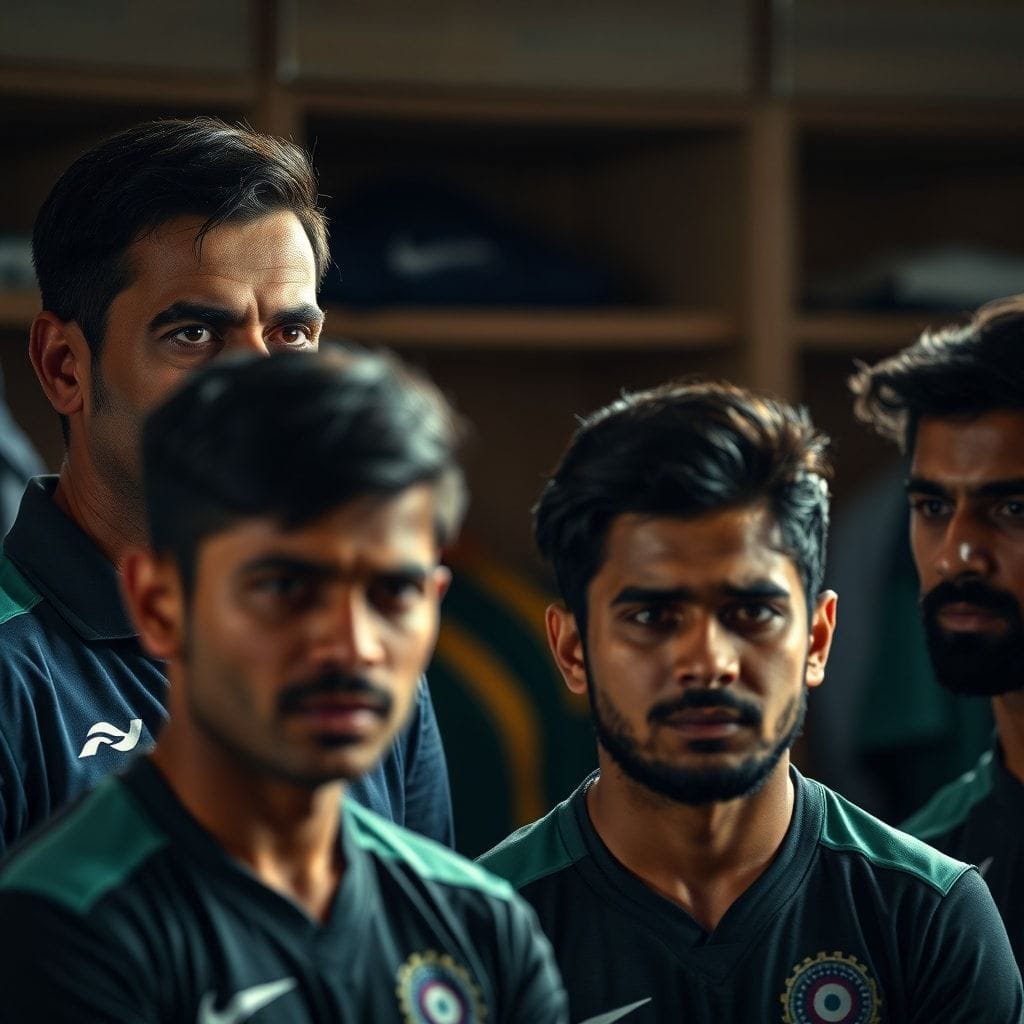
India’s Selection Dilemma: Why Washington Sundar Played Over Axar Patel Against South Africa
The Super Eight clash at the Narendra Modi Stadium ended in a 76‑run drubbing for India, and the headline was the surprise omission of Axar Patel for Washington Sundar. Fans and pundits have been dissecting why the decision was made and what it means for India’s World Cup hopes.
Match context
South Africa posted a massive total, exploiting the left‑hand heavy top order that India fielded throughout the tournament. India’s chase collapsed early, losing three wickets for just 20 runs. The loss pushes India to win both remaining games against Zimbabwe and the West Indies if they want a semifinal spot.
The Stats Behind the Strategy
| Player | Powerplay Overs (T20) 2025‑26 | Econ (Runs/Over) | Wickets |
|---|---|---|---|
| Washington Sundar | 16 | 7.8 | 12 |
| Axar Patel | 18 | 8.2 | 10 |
| Rashid Khan (SA) | 20 | 6.5 | 22 |
| David Miller (SA) | — | — | 132 runs (top order) |
The numbers show that Sundar had a slightly better economy in the powerplay than Patel in the last year, which is why the staff felt he could choke the start. The data also reveals that South Africa’s openers, especially the left‑handed David Miller, have been scoring heavily against off‑spinners.
Tactical analysis and team decisions
Assistant coach Ryan ten Doeschate explained that the plan revolved around three frontline pacers plus a fifth‑bowler who could lock down the first six overs. The coaching panel believed an off‑spinner would neutralise the left‑handed trio of Quinton de Kock, Ryan Rickelton and David Miller better than a left‑arm orthodox option.
They also wanted an extra bat, treating Rinku Singh as an “eighth” batsman. By dropping Patel, they thought they could keep a deeper batting line‑up without sacrificing the match‑up advantage.
Player roles and mindset
Washington Sundar entered the match expecting two tidy overs in the powerplay. Instead, he bowled only two overs, giving away 17 runs. The plan to use him early never materialised, leaving the captain to turn to senior bowlers who were already under pressure.
Axar Patel, the veteran left‑arm spinner, had been tasked with providing control and middle‑over breakthroughs in previous games. His omission signalled a shift from the spin‑rotation strategy that India had employed in the earlier stages of the tournament.
Venue linkages
Narendra Modi Stadium’s pitch tends to be true‑bouncing early on, rewarding pacers who can hit the deck hard. The ground also offers some turn later, which is why teams often include more than one spinner. Washington Sundar’s off‑spin works well on the slower side of the surface, while Axar Patel’s left‑arm orthodox style usually thrives on the slightly abrasive red soil of Mumbai, not on the firm bounce of Ahmedabad.
Tournament impact and what comes next
With the semi‑final berth hanging by a thread, India faces Zimbabwe next. The coaching staff must decide whether to revert to Patel for the spin‑friendly Zimbabwe pitch or stick with the extra batting depth. The recent defeat also exposed a recurring vulnerability: teams targeting India’s left‑hand heavy top order with part‑time spin in the powerplay.
There is talk of injecting a right‑handed opener like Sanju Samson to disrupt the pattern. If India can balance the spin attack and plug the top‑order weakness, the two remaining games become recoverable.
Fan perspective and grounded opinions
On social media, the Indian crowd has been vocal. Some argue that Patel’s experience would have steadied the innings after a quick fall of wickets, while others praise the boldness of trying a new combination. The disappointment is palpable, but there is also a sense of patience – fans understand that tournament cricket forces coaches to juggle limited resources and make tough calls.
Most agree that the real issue lies beyond a single selection. The left‑hand heavy batting order needs a rethink, and the powerplay spin option must be re‑evaluated. If the team can address those structural points, the next two matches could still turn the tide.
the Sundar‑over‑Patel decision was rooted in data and match‑up theory, but the execution fell short. The next four days will decide whether the gamble pays off or becomes another footnote in India’s World Cup saga.
Cricket Desk: Want more on Afghanistan cricket? Check out our Afghanistan cricket Latest News & Stats.