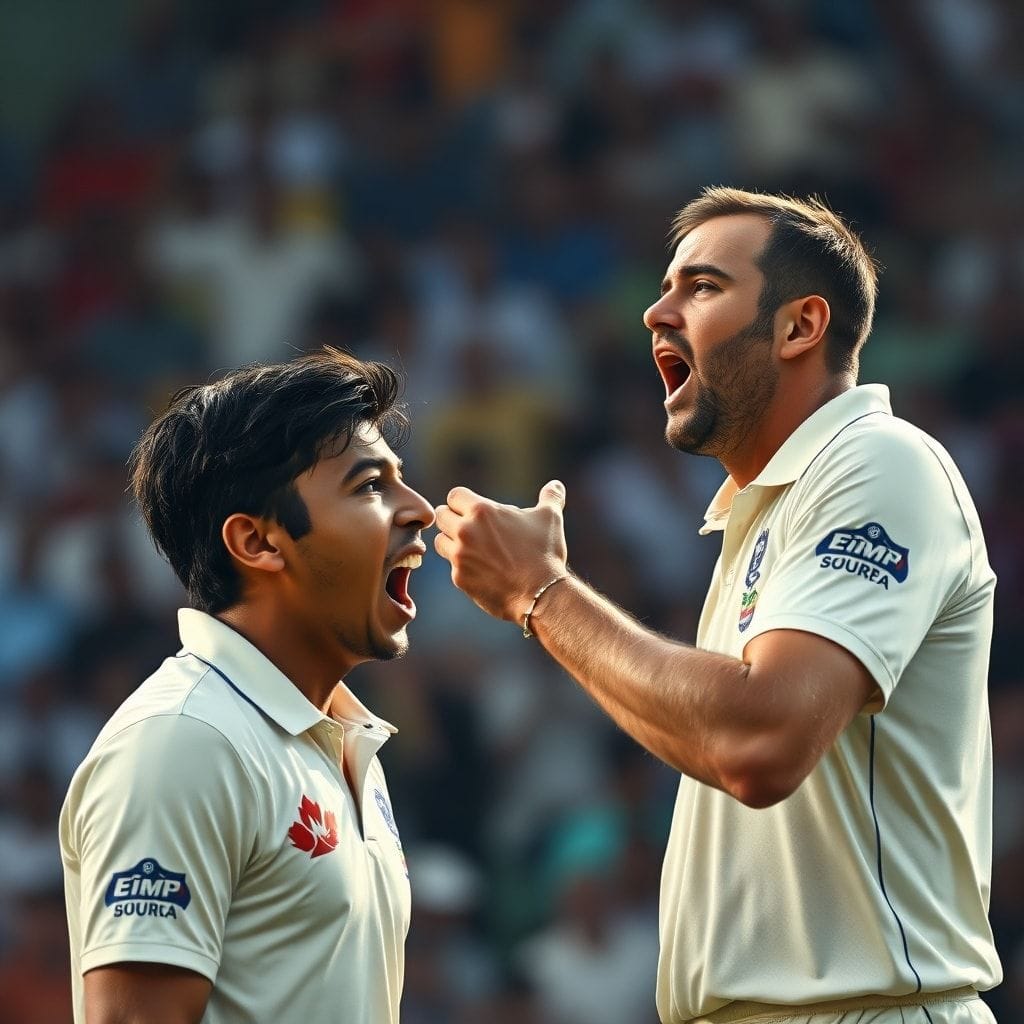
West Indies’ T20 World Cup Exit: Tactics, Travel Woes, and a Viral Spin
The West Indies exited the T20 World Cup in the Super-Eight stage, leaving behind a trail of explosive batting, strategic missteps, and one unforgettable social media moment involving Akeal Hosein and Cristiano Ronaldo. Their journey highlighted how on-field brilliance can be matched by off-field charm, reminding fans that cricket stories often stretch beyond the boundary ropes.
The Stats Behind the Strategy
| Match | Venue | West Indies Total | Key Bowler | Economy |
|---|---|---|---|---|
| Group vs England | Himachal Pradesh Cricket Association Stadium, Dharamshala | 190/5 | Akeal Hosein | 5.2 |
| Super‑Eight vs Zimbabwe | Eden Gardens, Kolkata | 254/6 | Alzarri Joseph | 6.8 |
| Super‑Eight vs India | Eden Gardens, Kolkata | 195/4 | Sammy Noble | 7.0 |
These figures reflect the impact of venue conditions on West Indies’ bowling choices. High-altitude stadiums like Dharamshala offered extra bounce and swing, favoring their pacers. In contrast, the slower, flatter pitches in Kolkata tested their spinners’ control, especially in the latter stages of matches.
Tactical Shifts and Coach Decisions
Under Daren Sammy’s leadership, the Windies adopted a bold strategy—aggressive batting upfront and varied bowling in the middle. Early results were promising, with Shimron Hetmyer’s powerful hitting and Hosein’s disciplined spells setting solid foundations. As they advanced to the Super-Eight, Sammy adjusted tactics, introducing Alzarri Joseph during the death overs to exploit Eden Gardens’ compact boundaries.
In the crucial India game, Sammy opted for additional spin support early on. Hosein’s breakthroughs slowed the chase initially, but as the surface flattened, India’s batsmen adapted quickly. The lack of surprise elements from the West Indies’ spinners eventually proved costly.
Player Mindset and Role Adaptation
Beyond statistics, individual performances shaped narratives. Akeal Hosein stepped beyond his usual quiet role, using wit to uplift team spirit. His humorous post tagging Ronaldo resonated widely, turning a logistical hiccup into a global chuckle.
Shimron Hetmyer evolved tactically, shifting from lofted shots to targeted ground strokes that complemented Dharamshala’s atmospheric conditions. Captain Nicholas Pooran demonstrated flexibility too, adjusting his batting position based on match context to maximize scoring phases.
Impact on the Tournament and What Lies Ahead
Their elimination reshuffles the knockout contenders. With India progressing, focus shifts to clashes among England, Pakistan, and Australia. The West Indies set a benchmark with their high-scoring approach, particularly the 250-plus total against Zimbabwe—an innings future teams may look to emulate.
Off the field, their travel delay raises questions about future logistics in subcontinental tours. Airspace restrictions due to geopolitical tensions caught the squad unprepared, possibly influencing performance indirectly. Such incidents may prompt the ICC to revise contingency planning.
Fan Perspective and Grounded Opinions
Spectators across Delhi and Kolkata responded warmly to the West Indies’ flair. While many admired their attacking style, some noted missed opportunities—especially in the India match where slight field adjustments might have altered outcomes.
Caribbean fans expressed mixed emotions online. Pride in the team’s spirited play mingled with frustration over narrow defeats. Critiques pointed toward underutilized bowling variations, though others defended the selections citing pitch behavior. Either way, the blend of brilliance and banter ensures the Windies remain unforgettable even in defeat.
They leave India not just with baggage and delayed flights—but also with memories, memes, and a legacy that proves cricket thrives on unpredictability.