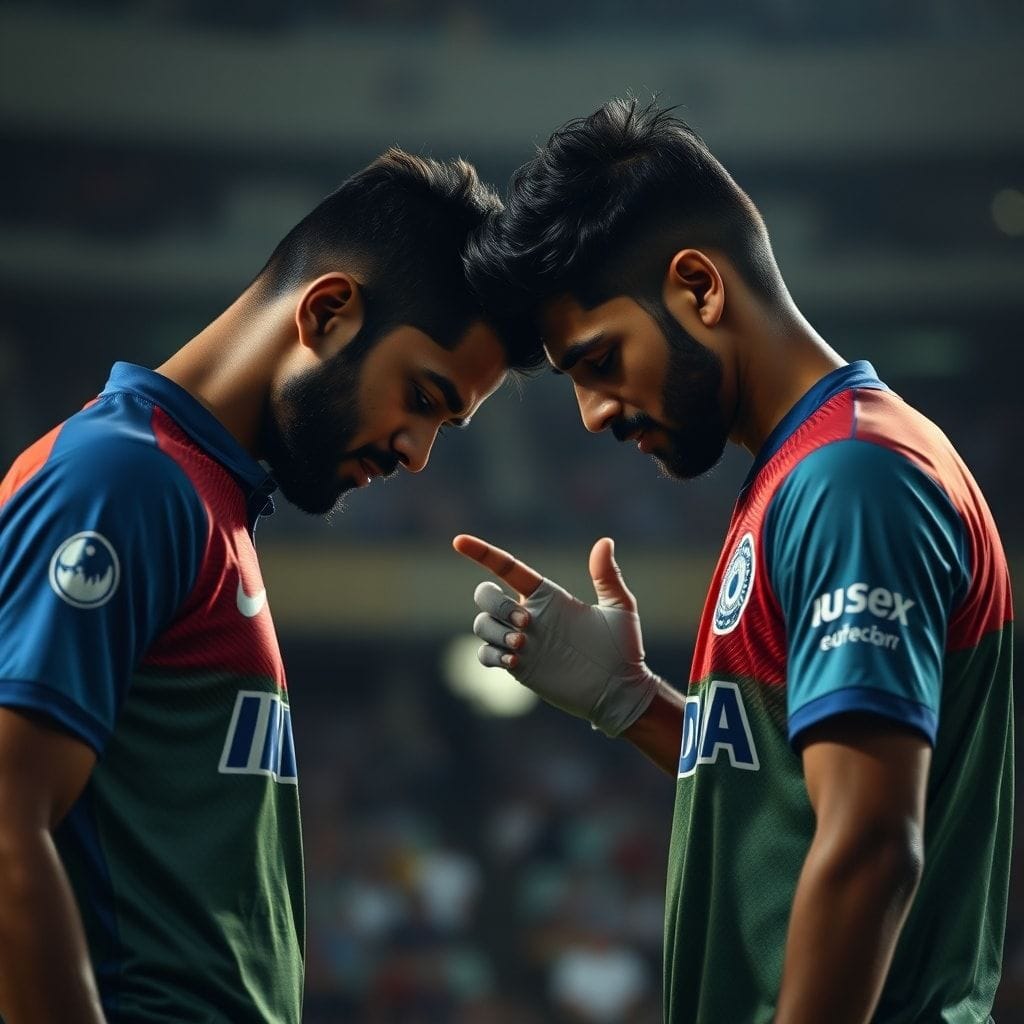
The Hundred Controversy: Tactical Missteps and Cross-Border Tensions
The Hundred has once again stirred debate among fans and analysts alike. What was meant to revolutionize cricket with its fast-paced format has instead become a battleground for tactical missteps and controversial selections. With international tensions influencing squad dynamics, questions arise over whether the tournament is living up to its promise—or falling short due to poor leadership.
One of the most discussed issues centers around player utilization, especially concerning overseas talents. Abrar Ahmed’s recent outing at Old Oak Common highlighted how pitch conditions heavily favor certain skill sets. His struggle against England’s aggressive batting lineup exposed gaps in strategic planning by Sunrisers’ coaching staff. While his leg-spin could have been game-changing, lack of support from field placements left him isolated during crucial moments.
Fans were quick to voice frustration online, pointing out inconsistencies in team composition across franchises. Many believe that franchise owners prioritize star power over balanced squads. In particular, Kavya Maran’s handling of her squad drew criticism after opting for high-profile signings rather than investing in local talent who understand English conditions better.
This season saw several matches swing dramatically based on early tactical calls. Teams often failed to adapt mid-game despite clear indicators suggesting a shift in momentum. For instance, when batting first under lights at Edgbaston, teams consistently posted totals above 150—but too many sides couldn’t chase effectively due to flawed death-over strategies.
Abrar’s performance dipped significantly post the powerplay phase where he lost control of line and length. On slow, two-paced surfaces like those found at Lord’s or Trent Bridge, spinners require more defensive fields to maintain pressure—an adjustment not made until it was too late in multiple games.
The Stats Behind the Strategy
| Venue | Average First Innings Score | Chase Success Rate (%) | Pitch Type |
|---|---|---|---|
| Old Oak Common | 164 | 58% | Slower surface, good for spin |
| Lord’s | 171 | 62% | Balanced pace & bounce |
| Trent Bridge | 169 | 55% | Two-paced wicket |
| The Oval | 173 | 67% | Fast scoring early |
In contrast, successful teams adapted quickly to venue-specific variables. At The Oval, where boundaries are shorter, aggressive openers thrived. Meanwhile, at Trent Bridge, middle-order resilience became critical—something overlooked by many coaches relying solely on top-order firepower.
Player-venue linkages revealed interesting patterns. Abrar performed best at Edgbaston, where the pitch offered consistent turn, yet struggled elsewhere. Similarly, batters like Sam Billings excelled under lights at Old Trafford, while others faded when faced with variable bounce at Headingley.
Franchise loyalty also came under scrutiny following reports of behind-the-scenes disagreements between management and players. These internal conflicts spilled onto social media, raising concerns about professionalism within some squads. Fans expressed disappointment at seeing their favorite athletes caught up in organizational chaos instead of focusing purely on performance.
The role of captaincy emerged as another point of contention. Several captains changed mid-season without proper transition plans. This led to confusion in decision-making, particularly during high-pressure situations such as super overs or must-win fixtures.
Despite these challenges, there were standout performances. Young talents emerged who capitalized on opportunities presented by inconsistent senior players. Their energy brought fresh excitement to an otherwise predictable format, proving that potential still exists if guided correctly.
Moving forward, The Hundred needs structural reforms—not just rule tweaks—to restore credibility. Fan engagement dropped noticeably compared to previous seasons, indicating deeper dissatisfaction beyond individual match outcomes. Unless governing bodies address root causes like squad stability and fair playing conditions, future editions may continue facing backlash.
Critics argue that commercialization overshadows sport itself. While flashy promotions attract eyeballs, they shouldn’t come at expense of competitive integrity. As leagues evolve globally, maintaining balance between entertainment and authenticity remains essential.
Cricket Desk: Want more on Abrar Ahmed? Check out our Abrar Ahmed Latest News & Stats.