Tense Standoff Threatens Iconic India-Pakistan Clash at 2026 T20 World Cup
The latest flap between Sri Lanka Cricket (SLC) and the Pakistan Cricket Board (PCB) threatens to rip out the marquee India‑Pakistan clash at the 2026 T20 World Cup. With the game slated for Colombo’s R. Premadasa Stadium, the standoff touches history, finance, and the very heartbeat of South Asian cricket.
Pakistan’s government has instructed its side not to face India, citing solidarity with Bangladesh’s recent withdrawal over security concerns. SLC responded with a two‑page letter that resurrected the memory of the 2009 Lahore bus attack, reminding the PCB of a decade‑long debt of gratitude. The exchange now sits under the ICC’s watchful eye, and fans worldwide are holding their breath.
Why the Colombo Showdown Matters
Beyond the rivalry’s emotional charge, the fixture is a financial engine. Ticket sales for the 30,000‑seat Premadasa venue hit full capacity within days, and travel agencies report a surge in hotel bookings from Indian and Pakistani fans. A cancelled match would not only shave off an estimated $250 million in commercial value but also scar Colombo’s reputation as a reliable host for global events.
Tactical Angles for Both Teams
India arrives with a line‑up built around power hitting and spin variation. Suryakumar Yadav, fresh from a blistering IPL season, prefers the slightly slower, low‑bounce wickets of Colombo, where his wrist‑work can exploit the turn that typically emerges after the fourth over. The pitch, coated with a fine layer of red soil, offers early movement for the seamers and later assistance for spinners like Yuzvendra Chahal.
Pakistan, on the other hand, has placed faith in a younger fast‑bowling quartet. Their strengths lie in reverse swing and pace on hard surfaces. The Premadasa track, softens under the Colombo heat, which may blunt raw speed but aid swing when the ball is fresh. The PCB’s decision to sit out could be read as a tactical retreat: avoid a high‑pressure encounter on a surface that does not suit their current bowling blend.
Player Mindsets and Historical Burdens
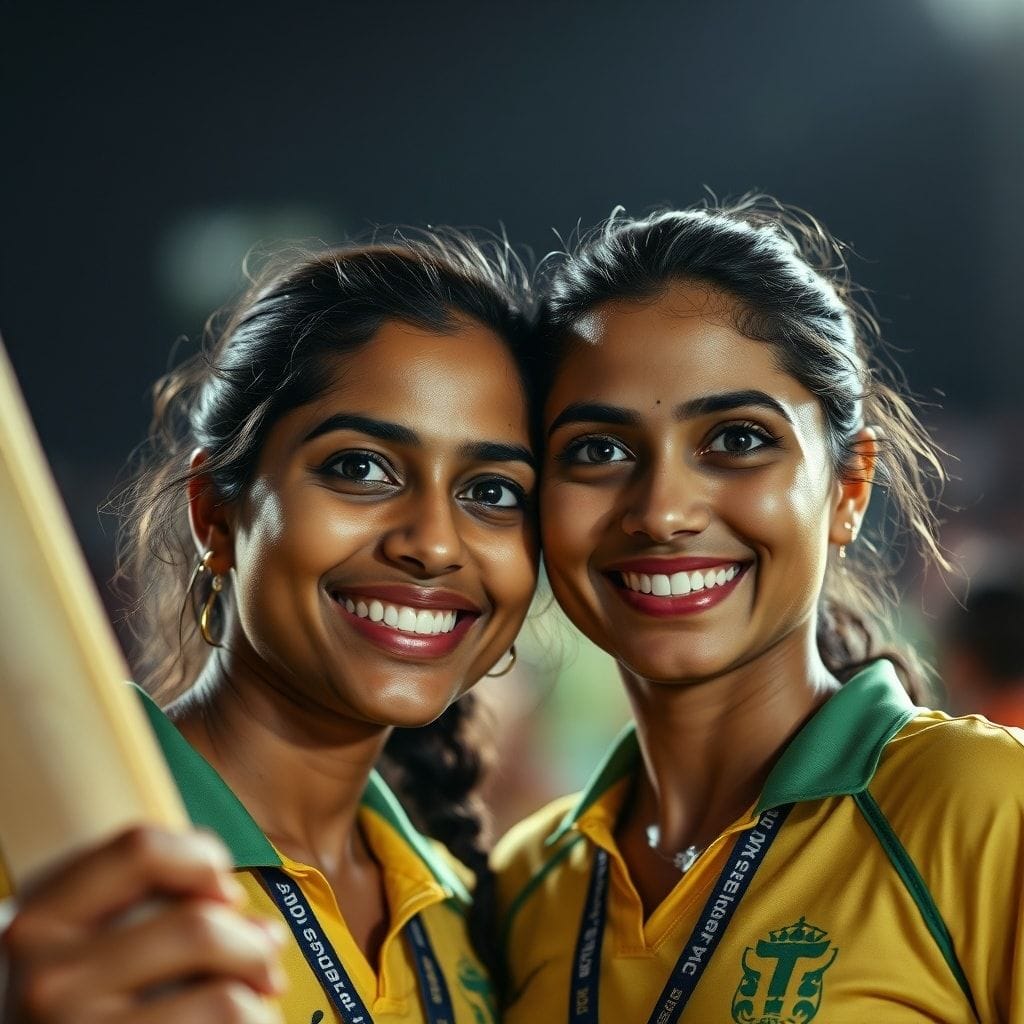
For the Sri Lankan squad, the memory of the Lahore attack still lingers. Veterans who were in the bus that day speak of lingering anxiety, yet they also carry a resolve to honor the past by keeping the doors of sport open. Their all‑rounder, Wanindu Hasaranga, has repeatedly said he feels a duty to stand up when the game is under threat.
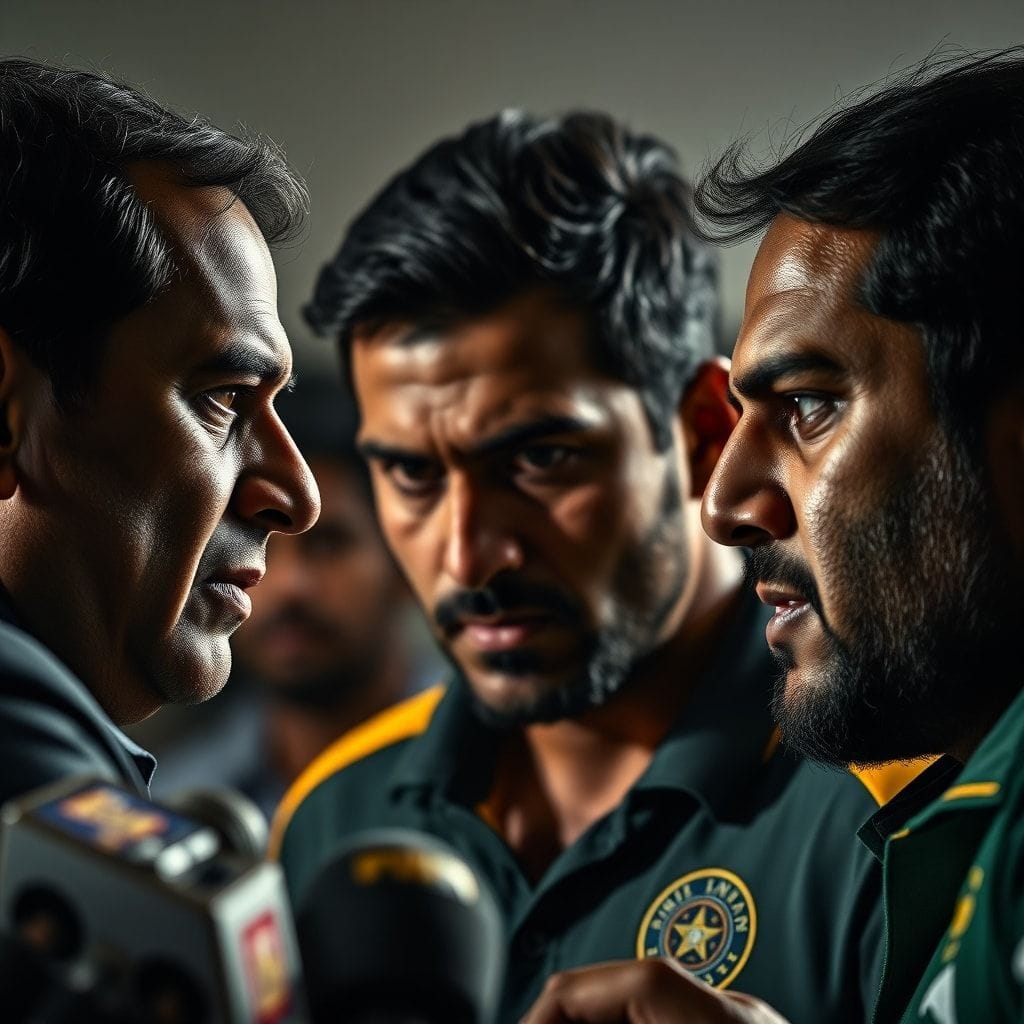
Salman Agha, Pakistan’s skipper, is caught between a government directive and a personal desire to play the biggest game of his career. In recent press briefings, he emphasized respect for the nation’s stance while hinting that the team’s competitive flame remains unquenched.
The Stats Behind the Strategy
| Metric | India | Pakistan | Projected Impact if Match Canceled |
|---|---|---|---|
| Average ICC T20I rating | 115 | 112 | Loss of prime viewing slot, lower broadcast ROI |
| Runs scored per 20 overs in recent bilateral series | 8.4 | 7.9 | Fans miss high‑scoring spectacle that drives ticket demand |
| Projected ticket revenue (US$) | 45 million | 42 million | Combined shortfall: ~250 million across tournament |
| Hotel bookings linked to match (rooms) | 12,000 | 11,500 | Potential vacancy loss of ~1.8 billion LKR |
The numbers show why the standoff is more than a diplomatic tiff. Both sides stand to lose financially, and the ICC’s commercial partners will feel the pinch.
Fan Pulse and Grounded Opinions
Social media feeds from Colombo cafés are awash with hashtags like #LetThemPlay and #CricketWithoutBorders. Long‑time supporters argue that sport should rise above politics, pointing to the 2019 Test return to Pakistan as a precedent. Others, especially within Pakistan, back the government’s caution, recalling the security calculus that still haunts certain venues.
Local Sri Lankan businesses, from street vendors to boutique hotels, have posted pleas for the match to go ahead, warning that a cancellation could push the tourism sector into a deeper slump already aggravated by global economic headwinds.
What Lies Ahead
The ICC has scheduled a high‑level meeting between SLC, PCB, and its own governance body within the next week. If a compromise is reached—perhaps a neutral venue or a delayed fixture—the tournament can retain its marquee appeal. Failure to bridge the divide risks turning the 2026 edition into a cautionary tale of politics eclipsing sport.
For now, the world watches the letters, the press conferences, and the quiet moments in hotel rooms where players imagine the roar of a packed Colombo stand. Whether that roar will ever materialise depends on a handful of decisions that span beyond the boundary ropes.
Explore more: India Vs Pakistan