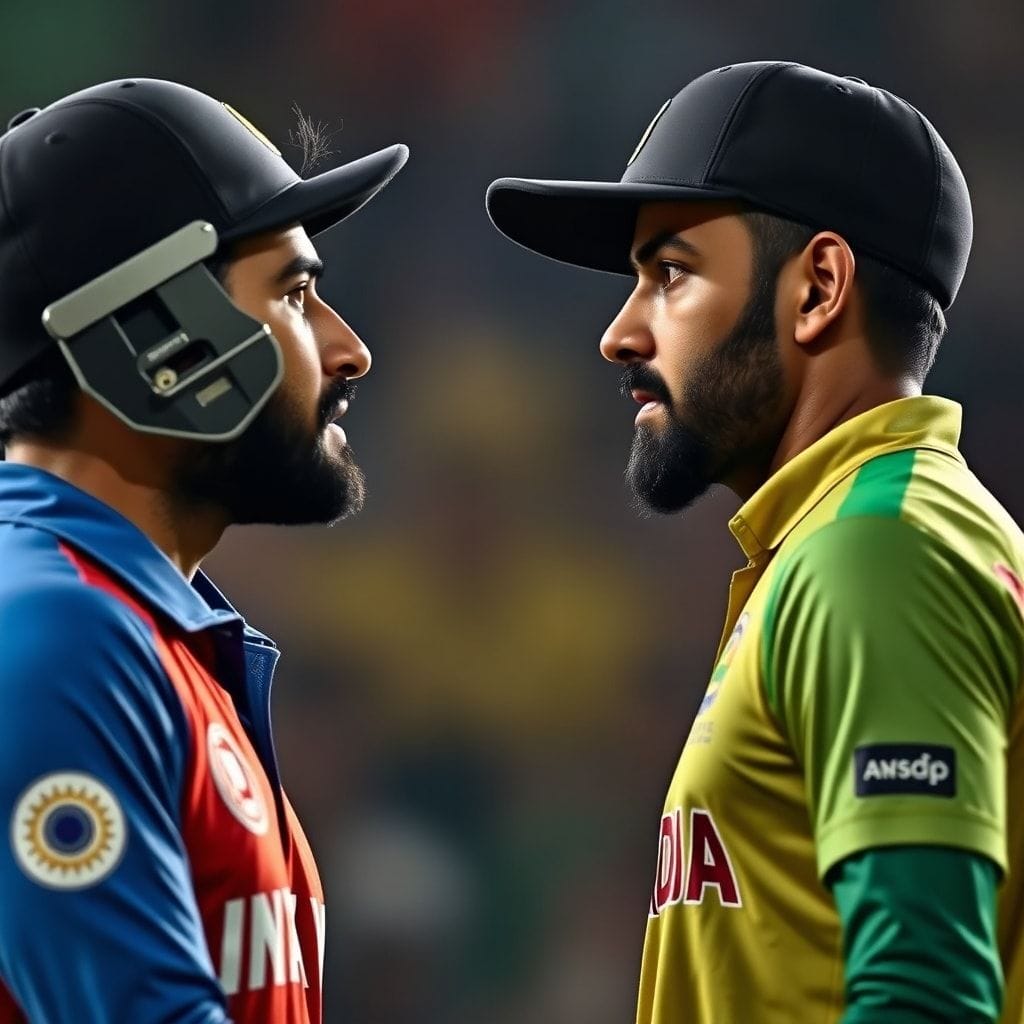
Men’s T20 World Cup Semi-Finals: Tactical Showdown and What’s at Stake
The ICC Men’s T20 World Cup is entering its most thrilling phase with the semi-final matchups now locked in. Every game from here on out carries immense weight, shaping narratives and careers alike.
Match and News Context
The road to the semi-finals saw intense battles, with India, England, Australia, New Zealand, South Africa, Pakistan, West Indies, and Afghanistan securing their spots. Now, the knockout clashes promise fireworks: India vs England, Australia vs New Zealand, South Africa vs Pakistan, and West Indies vs Afghanistan. Each game tells a story—India’s explosive batting order chasing consistency, England’s balanced attack seeking redemption, and Afghanistan’s spinners aiming to disrupt Caribbean dominance.
Tactical Analysis and Team Decisions
Venue conditions play a major role in shaping strategies. In New York, the Yankee Stadium pitch rewards early swing, prompting England to reintegrate Jofra Archer into the powerplay. India responded by opening with Ruturaj Gaikwad, banking on his ability to handle swing and build a stable start.
In Nassau, the Sir Vivian Richards Stadium offers slower, grippier conditions, prompting New Zealand to front-load their spin options. Australia stuck with Aaron Finch at the top despite form dips, relying on his experience under pressure. These decisions reflect not just talent but adaptation to environmental factors.
Player Roles and Mindset
Babar Azam leads Pakistan with calm authority, anchoring the innings while others take risks. In Antigua, Shakib Al Hasan adapts his bowling slot to exploit early seam movement. Young talents like Rachin Ravindra are being trusted to deliver in crunch moments, reflecting a shift toward youth empowerment in high-stakes games.
Mindset has become a weapon. Players speak less of tactics and more of belief. It’s runs or wickets—it’s about seizing control when it matters most.
The Stats Behind the Strategy
| Venue | Average 1st‑10 Overs Score | Top Performing Bowler (Economy) | Most Effective Batting Position |
|---|---|---|---|
| New York (Yankee Stadium) | 68 | Jofra Archer (6.2) | Openers |
| Nassau (Sir Vivian Richards) | 54 | Ish Sodhi (5.8) | Middle order (4‑6) |
| Antigua (Sir Vivian Richards) | 62 | Shaheen Afridi (5.5) | Finishers (7‑9) |
Player + Venue Linking
Jofra Archer dominates in New York thanks to the early moisture and subtle swing. In Nassau, Mujeeb Ur Rahman uses the grip-friendly surface to trouble batsmen with sharp turn. Antigua’s true bounce suits finishers like Glenn Maxwell, whose power-hitting thrives in those final overs.
West Indies bowlers leverage home advantage with pace and bounce, turning Antigua into a fortress. Meanwhile, visiting sides must adapt quickly or risk falling behind early.
Tournament Impact and What Comes Next
A semi-final win does more than advance a team—it rewrites stories. India can silence critics questioning their composure. England can confirm their return to dominance. Afghanistan reaching a final would redefine cricket development across non-traditional nations.
Beyond the trophy, these results shape future squads, sponsorships, and broadcast narratives. Teams already eye potential final venues, whether in England or the Caribbean, adjusting plans accordingly.
Fan Perspective and Grounded Opinions
Social media pulses with debates—memes, predictions, and statistical breakdowns flood timelines. Indian fans debate between experience and flair. English followers celebrate Archer’s return while staying cautious about middle-order collapses.
Fans don’t just watch—they participate. From fantasy leagues to live-commentary threads, cricket has evolved into a shared narrative. And as the semi-finals approach, that narrative reaches fever pitch.
Cricket Desk: Want more on 2026 T20 World Cup? Check out our 2026 T20 World Cup Latest News & Stats.