The Unsung Voices Behind the T20 World Cup Broadcast
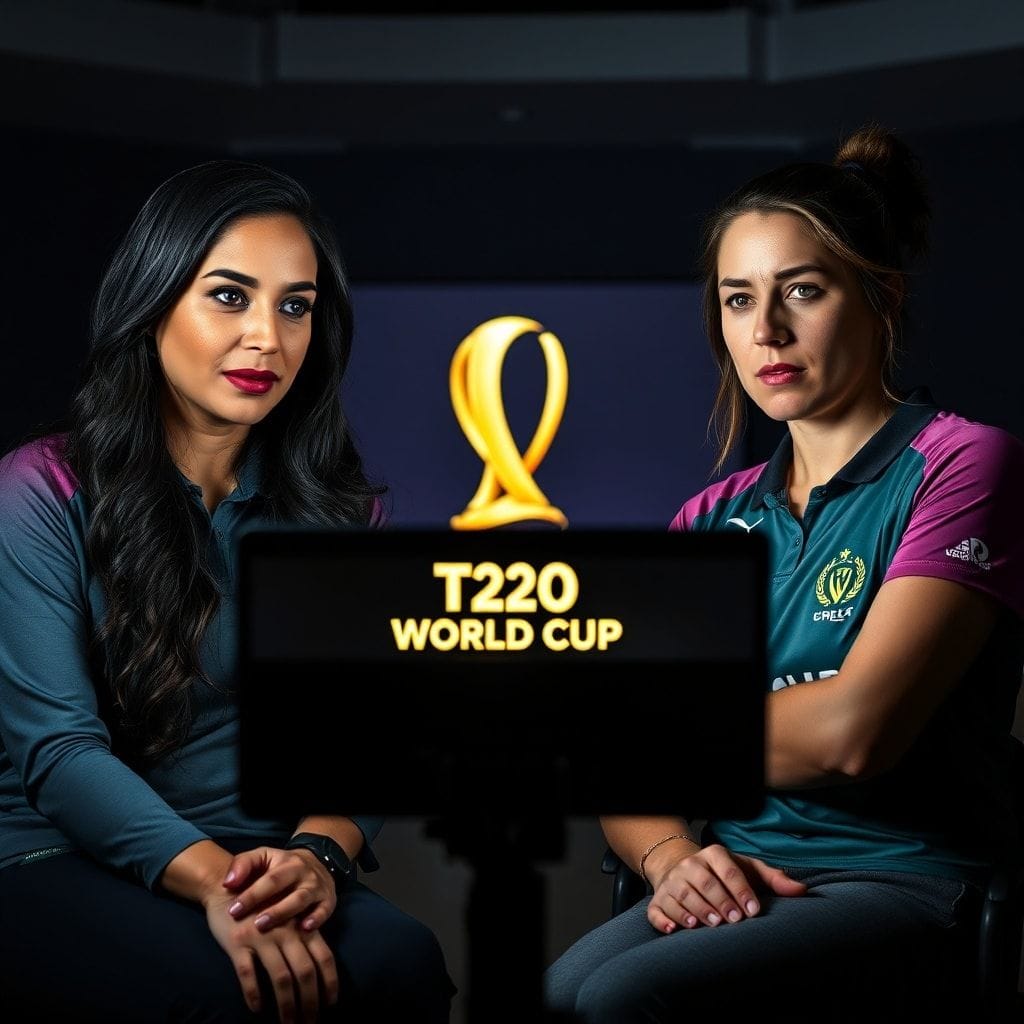
The T20 World Cup isn’t just about bats and balls—it’s also about the voices that bring the drama into our homes. As fans cheer for their favorite teams, a parallel narrative unfolds through the articulate, passionate commentary of broadcast anchors. Their role shapes how millions experience the game, making their influence on the tournament far more significant than many realize.
The Stats Behind the Strategy
| Language Panel | Number of Anchors | Years of Average Experience |
|---|---|---|
| English | 14 | 9.5 |
| Hindi | 11 | 8.2 |
| Tamil | 6 | 6.7 |
| Bengali | 4 | 5.3 |
This year’s commentary roster features seasoned voices like Mayanti Langer and Harsha Bhogle, who have become synonymous with cricket broadcasting in India. Internationally, names such as Laura McGoldrick and Ian Smith continue to set high standards across global networks. These broadcasters don’t merely describe the action—they shape narratives, build personalities, and offer context that transforms raw sport into compelling storytelling.
In Ahmedabad’s Narendra Modi Stadium, where green-topped pitches often assist seamers early in the match, anchors play a critical role in guiding viewers through tactical shifts between bat and ball. Similarly, in Colombo’s spin-friendly R. Premadasa Stadium, the expertise of commentators becomes vital when explaining turning deliveries and pitch behavior to audiences unfamiliar with subcontinental conditions.
The broadcast team’s impact extends beyond the screen. They influence viewer engagement, drive social media conversations, and even affect how sponsors tailor their messaging around live coverage windows. Strategic decisions—like assigning bilingual commentators or pairing veteran voices with rising stars—are made months in advance to ensure seamless delivery across diverse markets.
As the tournament progresses, each anchor adds layers to key moments. A six over long-on becomes legendary not only because of the shot itself but because of the way it was called. Whether it’s a breathless over-by-over chase or a slow-burning tactical battle, these voices remain the invisible threads connecting stadiums to sofas worldwide.
Cricket Desk: Want more on T20 World Cup? Check out our T20 World Cup Latest News & Stats.