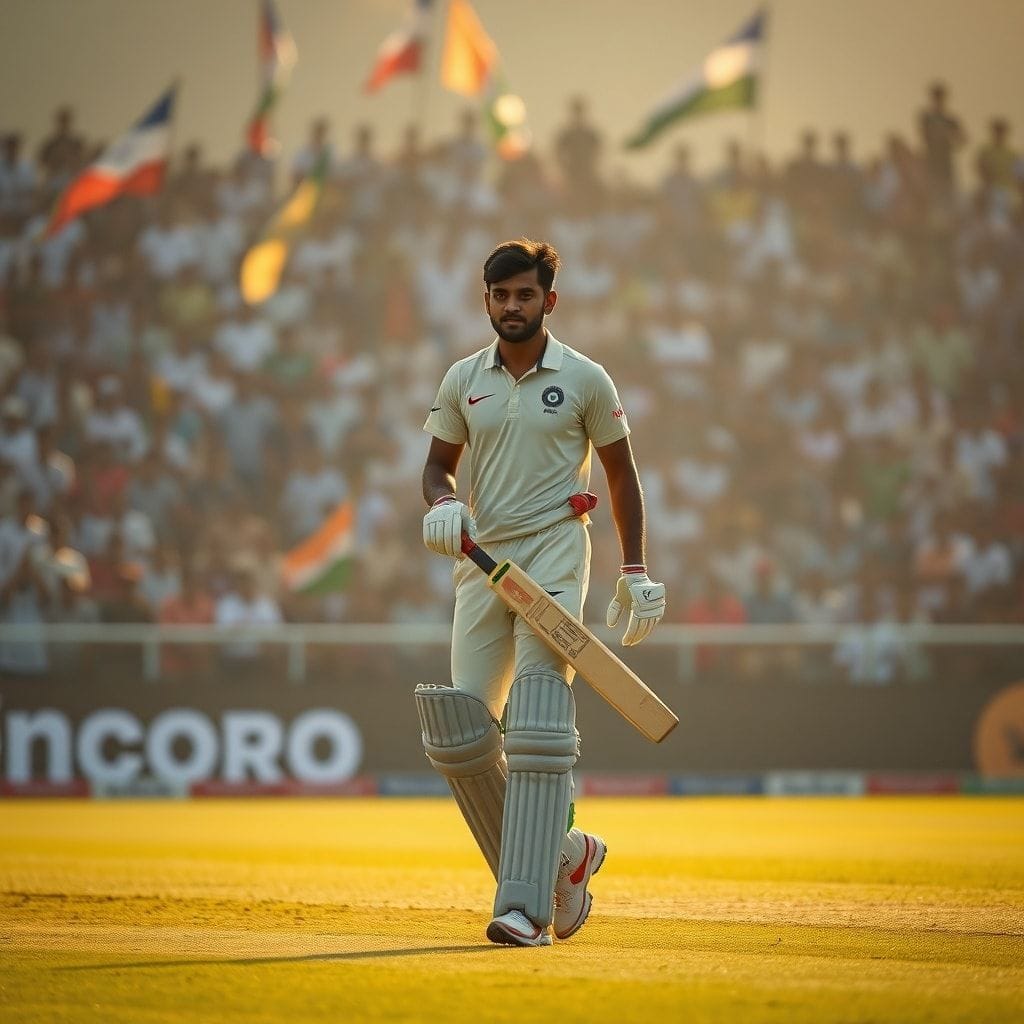
West Indies vs South Africa: Tactical Showdown at Mumbai’s Narendra Modi Stadium
The Super 8 clash at Mumbai’s Narendra Modi Stadium pits two‑time champions West Indies against the defending‑finalists South Africa. Both teams arrived with a win, and a third victory would virtually lock a semifinal berth, making Thursday’s encounter a pivotal moment in the T20 World Cup 2026.
The Stats Behind the Strategy
| Metric | West Indies | South Africa |
|---|---|---|
| Average Powerplay Score (last 5 matches) | 34.2 runs | 55.8 runs |
| Top Six‑Hitters (SR > 150) | Shame Bunting (158), Shimron Hetmyer (152) | David Miller (162), Dewald Brevis (155) |
| Economy Rate of Primary Bowlers | Jason Holder 7.2, Rovman Powell 8.1 | Kagiso Rabada 6.5, Anrich Nortje 7.0 |
| Net Run Rate (NRR) after two games | +1.27 | +0.95 |
The numbers tell a clear story: South Africa’s powerplay engine is firing, while the Windies rely on late‑innings acceleration. In Mumbai, where the surface eases after six overs, that early cushion could be the difference between a defendable total and a chase that hangs on the final over.
Tactical Landscape at Narendra Modi
Mumbai’s 132‑yard outfield is notorious for turning boundary attempts into long‑range singles. The pitch offers modest bounce and a bit of lateral movement in the early phases, but it settles into a true, flat track after the first ten overs. That translates into a two‑phase game plan.
Batting approach: The side winning the toss will likely elect to field, hoping to exploit the initial ‘sticky‑wicket’ feel. The powerplay will be about survival – 30‑40 runs is realistic – before the batters eye the mid‑overs where the surface opens up. Players like Shai Hope and Brandon King thrive on grinding partnerships; they can anchor the innings and then unleash the big hitters once the ball comes onto the bat.
Bowling strategy: For the bowlers, variation is king. The likes of Kagiso Rabada and Anrich Nortje will mix a disciplined line with occasional slower balls to keep the West Indies middle order guessing. In the death overs, the sheer pace of Lungi Ngidi can become a weapon if the outfield allows a mis‑timed slog to turn into a single.
Player Roles Tailored to the Venue
West Indies’ spin duo, Akeal Hosein and Gudakesh Motie, are usually more effective on turning tracks. At Narendra Modi, they will be used sparingly – perhaps five overs combined – to break partnerships rather than dominate. Conversely, South Africa’s true‑pace quartet (Rabada, Nortje, Ngidi, Maharaj) matches the pitch’s bounce, making them the frontline attack.
Rovman Powell’s experience in Caribbean‑style pitches, where the ball bounces low, might make him comfortable on the flat surface, allowing him to play through the line and pick up boundaries once the bowlers settle. For India‑born Matthew Forde, the expansive outfield means he needs to rotate the strike and wait for a loose delivery before attacking.
What This Match Means for the Tournament
A win for the Windies will raise their NRR above 1.5, putting them in the driver’s seat for a direct semifinal entry. A loss, throws them into a must‑win scenario against Bangladesh the following day. South Africa, sitting just behind, can secure a top‑two finish with a victory, freeing them from the pressure of a winner‑takes‑all finale.
Both camps know a single slip could alter their path. The psychological edge now belongs to the team that can manage the early overs without panic, then accelerate at the right moment. Expect the captains – Shai Hope for West Indies and Aiden Markram for South Africa – to be vocal in the field, urging bowlers to stick to lengths while keeping an eye on the evolving scoreboard.
Fan Pulse and Grounded Opinions
Across Caribbean bars and South African taverns, the conversation is buzzing about the toss. Fans of the Windies argue that a disciplined chase, leveraging the deep outfield, could frustrate the South Africans. South African supporters counter with the belief that their top‑order can explode the first six overs, turning a modest target into a chase beyond reach.
On social media, a recurring theme is the need for the West Indies to rediscover the ‘big‑hitters’ form they displayed in 2016. Meanwhile, South Africa’s camp receives praise for a balanced side that blends veteran poise (de Kock, Miller) with youthful explosiveness (Dewald Brevis, Tristan Stubbs). The consensus among pundits is that the match will be decided by which side can adapt quicker to the pitch’s slow‑start‑fast‑finish rhythm.
In the end, the showdown promises more than just runs on the board – it’s a clash of philosophies. The Windies will bank on seasoned composure, while South Africa will lean on aggressive intent. Whatever the outcome, the winner takes a massive step toward a coveted spot in the semifinals, and the loser will have to regroup fast for a do‑or‑die finale.
Cricket Desk: Want more on Cricket Tactics? Check out our Cricket Tactics Latest News & Stats.