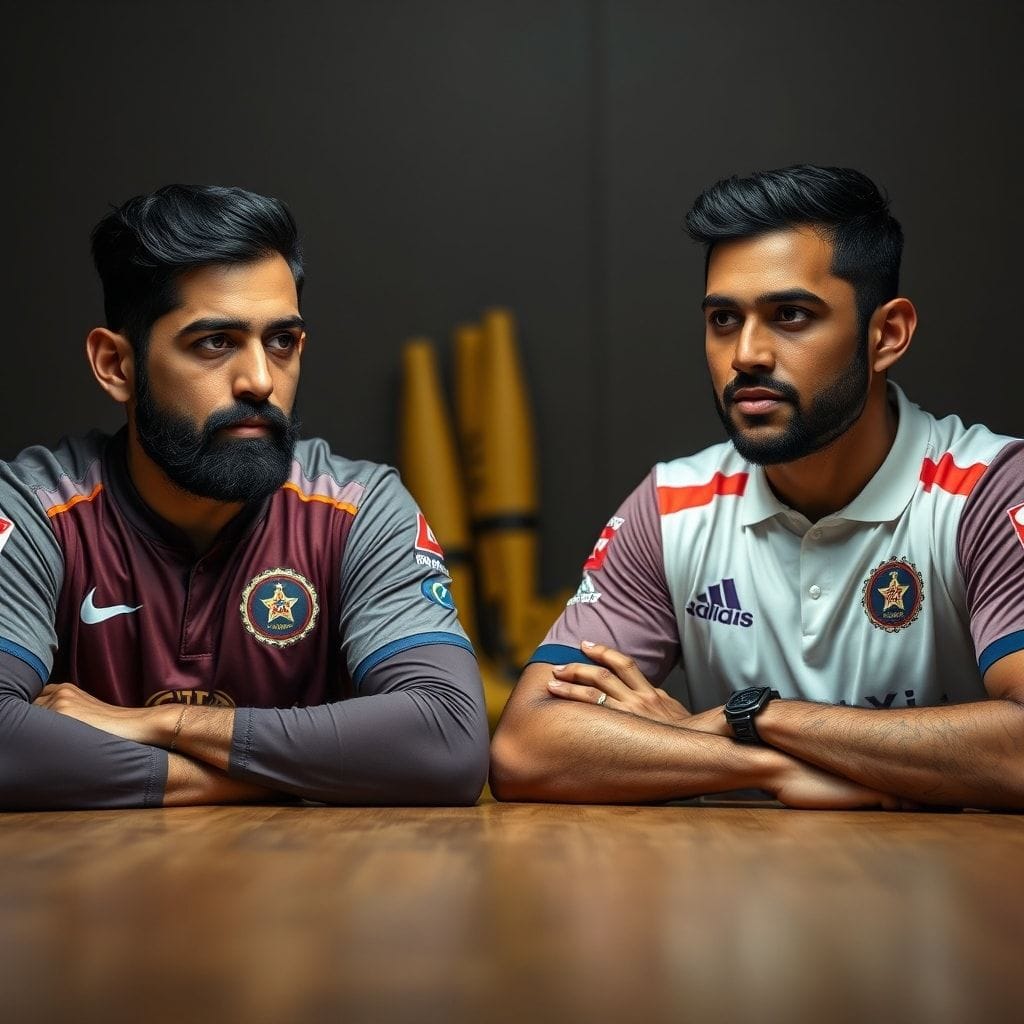
ICC T20 World Cup 2026: Player of the Tournament Nominees Revealed
The ICC has just announced the eight players in the running for the Player of the Tournament award at the 2026 T20 World Cup. With the final set for India versus New Zealand, the shortlist adds an extra layer of drama to what is already a high‑stakes showdown.
The Stats Behind the Strategy
| Player | Runs | Strike Rate | Wickets | Economy |
|---|---|---|---|---|
| Sanju Samson (IND) | 232 | 201.74 | 0 | – |
| Will Jacks (ENG) | 226 | 176.56 | 9 | 5.92 |
| Sahibzada Farhan (PAK) | 383 | 149.21 | 0 | – |
| Shadley van Schalkwyk (USA) | 0 | – | 13 | 6.80 |
| Aiden Markram (RSA) | 286 | 155.00 | 0 | – |
| Lungi Ngidi (RSA) | 0 | – | 12 | 7.15 |
| Tim Seifert (NZ) | 274 | 161.17 | 0 | – |
| Rachin Ravindra (NZ) | 128 | 138.00 | 11 | 7.45 |
The numbers tell a story of balance. India’s Sanju Samson and New Zealand’s Tim Seifert dominate the batting charts, while the USA’s van Schalkwyk and South Africa’s Lungi Ngidi give the bowlers something to cheer about. Those who can sway both departments – Will Jacks and Rachin Ravindra – sit comfortably in the middle of the pack, making their case as true all‑rounders.
Tactical Choices that Shaped the Tournament
India’s decision to drop Abhishek Sharma after a string of low scores opened the door for Samson. The move was more than a reaction; it was a signal that the side was willing to gamble on aggressive wicket‑keeping batters. Samson repaid that faith with a 42‑ball 89 in the semi‑final, a knock that forced England into a defensive posture.
England leaned heavily on Will Jacks in the middle order, using his off‑spin as a surprise element in the death overs. The dual role gave the team flexibility – a quick 53* against Italy turned the match on its head, while his three‑wicket spell against Sri Lanka showed he can be a frontline bowler when the pitch offers turn.
Pakistan’s early exit masked the impact of Sahibzada Farhan’s opening partnership. The flat pitches in Saint Lucia encouraged big hits, and Farhan’s two centuries were built on a combination of timing and a fearless approach to the short ball. Even though the team didn’t make the semis, his average of 76.60 kept Pakistan competitive in every game.
For the United States, van Schalkwyk’s pace was a surprise asset in group matches. The fast, bouncy tracks in New York gave him extra carry, resulting in two four‑wicket hauls that almost turned the tide against India and Pakistan. Coach Tim Keller’s choice to bowl him at the start of the innings, rather than saving him for the slog, yielded early breakthroughs that unsettled the opposition.
South Africa’s twin‑pronged attack – Markram’s batting and Ngidi’s fast bowling – reflected a classic test‑style balance, even in a T20 setting. Ngidi’s ability to swing the ball on the slower New Zealand wickets proved decisive, especially when he dismissed three key batsmen in the semi‑final against the West Indies.
Player Mindsets and Venue Links
Samson thrives on the hard, low‑bounce tracks of Nagpur, where the ball skids and timing is everything. His aggressive intent is a perfect match for a surface that rewards power over patience.
Seifert’s game flourishes on the generous, grass‑covered pitches of Wellington. The wide, even surface lets him pull the ball all around the ground, turning a good start into a commanding one.
Farhan’s centuries came on the slower, turning decks of Saint Lucia, where a well‑timed lofted shot can be worth a dozen runs. His ability to read the pitch and find the gaps made him a nightmare for bowlers in those conditions.
Van Schalkwyk’s raw pace needed the extra bounce of the New York pitches to come alive. The short boundaries mixed with steep bounce gave him a two‑wicket advantage even when his line slipped a little.
What the Nominees Mean for the Final
India enters the final with a batting line‑up that can explode in any over. If Samson repeats his semifinal heroics, a 30‑run burst could tip the balance before the 20th over. New Zealand, on the other hand, will lean on Seifert’s consistency at the top. A steady 70‑run opening stand will set a platform for the middle order to finish strong.
Both teams also have secondary weapons. India’s pacer Arshdeep has the pace to pick wickets in the death overs, while New Zealand’s Ravindra can swing the ball and contribute quick runs. The final could become a duel of who can impose their game‑plan faster.
Fans, Feelings and the Bigger Picture
Supporters across the globe are already debating the likely winner. In Mumbai cafés, you’ll hear heated talks about Samson’s rise from benchwarmer to headline act. In Auckland, the chatter centers on Seifert’s poise under pressure and his knack for finishing matches.
Beyond the glitz, the award carries weight for the players’ careers. A Player of the Tournament title can secure central contracts, attract franchise offers, and cement a legacy. For the USA, van Schalkwyk’s nomination alone could spark a surge in youth participation back home, showing that a bowler from a non‑traditional cricket nation can make headlines on the world stage.
The tournament’s story will be written in the final’s outcome, but the shortlist already tells us that T20 cricket rewards audacity, adaptability and the ability to strike at the right moment. Whoever lifts the trophy will have proven they can combine those traits when the world is watching.
Cricket Desk: Want more on 2026 T20 World Cup? Check out our 2026 T20 World Cup Latest News & Stats.