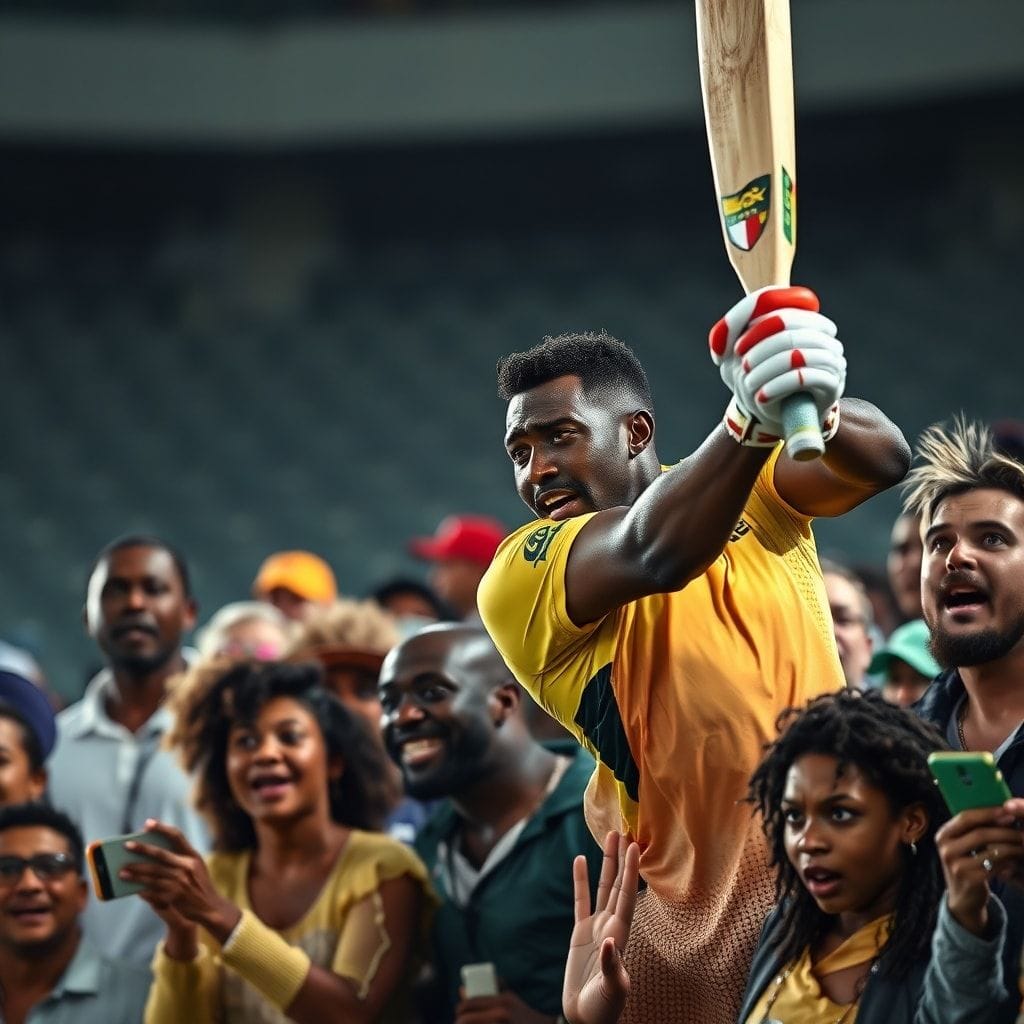
T20 World Cup 2026: How the Broadcast Map Shapes the Tournament Narrative
The ICC Men’s T20 World Cup 2026 kicks off on February 7 with twenty teams spread across eight iconic venues in India and Sri Lanka. With the matches beamed to millions through a patchwork of TV channels and streaming platforms, the way fans consume the tournament is as much a story as the cricket itself.
From the opening clash at Mumbai’s Wankhede to the grand final at Ahmedabad’s Narendra Modi Stadium, the broadcast lineup determines who hears every six, every wicket, and every nervous pause. That makes understanding the schedule, the venue quirks and the media choices essential for anyone wanting to feel the pulse of the event.
The Stats Behind the Strategy
| Venue | Avg. First‑Innings Score (T20) | Key Player for Home Team | Broadcast Platform (Primary) |
|---|---|---|---|
| Wankhede Stadium, Mumbai | 168 | Rohit Sharma (Opening Batsman) | Star Sports / Jio Hotstar (India) |
| R. Premadasa Stadium, Colombo | 155 | Kusal Mendis (Middle‑order) | Star Sports (Sri Lanka) & PTV (Pakistan) |
| Narendra Modi Stadium, Ahmedabad | 174 | Jasprit Bumrah (Bowler) | Star Sports / Jio Hotstar (India) |
| Chennai – MA Chidambaram | 162 | Ravindra Jadeja (All‑rounder) | Star Sports (India) |
The numbers show how venue‑specific trends feed into team selection. Mumbai, with its high first‑innings averages, pushes India to go for fire‑power at the top – hence Rohit Sharma’s role as a momentum‑setter. Colombo’s slower tracks reward patience, making Kusal Mendis the anchor for Sri Lanka. Ahmedabad’s flat surface favours bowlers who can extract bounce, a reason Bumrah’s death‑overs are so coveted. Those patterns line up neatly with the broadcasters that dominate each market, shaping the commentary focus and the marketing pushes around star players.
Tactical Shifts Guided by the Calendar
Group A, featuring India, Pakistan, USA, Netherlands and Namibia, is the first to feel the pressure of back‑to‑back games. India’s opening match against the USA at Wankhede is scheduled for a prime‑time slot, guaranteeing a massive TV audience. The team’s game‑plan is simple – fire off a quick 30‑run opening stand, then let the middle order accelerate. With the crowd and cameras watching, the batting order is unlikely to experiment.
Pakistan, meanwhile, has its group matches shifted to Sri Lanka. The team will have to adapt to Colombo’s slower, turning wickets. Their usual pace attack, which thrives on the extra bounce at home, will need to rely more on cutters and slower balls. The decision to bowl first in the India‑Pakistan showdown at the Premadasa is a gamble – a low‑scoring chase could tilt the match in Pakistan’s favour, especially with the home‑crowd behind them.
The USA, a newcomer on such a big stage, lands a TV‑friendly slot against India. Their strategy involves using power‑hitting in the last five overs to grab attention, even if the odds are slim. The streaming audience in North America via Willow TV and WillowXtra will be looking for fireworks, and the USA will try to deliver.
Player Mindset and Venue Compatibility
Rohit Sharma thrives at Wankhede where the short boundaries invite aerial shots. His habit of waiting a few balls before unleashing the big hits suits a venue that produces a 174‑run average. In contrast, Kusal Mendis at the Premadasa needs to grind, playing the ball late on a surface that holds onto the seam. His mindset will be about building a platform rather than blasting.
Jasprit Bumrah’s role at Ahmedabad cannot be overstated. The flat pitch offers little assistance to spinners, so his ability to generate reverse swing on a dry surface will be crucial. His confidence often grows when the stadium lights are bright and the crowd is loud – the final at Narendra Modi will be a perfect stage.
For the associate nations like Namibia and the Netherlands, the schedule gives them matches in Delhi and Ahmedabad – venues that are more neutral compared to the sub‑continental tracks they might be used to. Their preparation will centre on adapting quickly, focusing on fielding brilliance to compensate for any batting shortfalls.
Tournament Impact and What Lies Ahead
The group stage layout means that the top two from each pool head into the Super 8s, which are split across the same venues. Teams that manage the travel and acclimatise to each ground quickly will have a distinct edge. India’s ability to play the opening match at home, then travel to Colombo for the crucial India‑Pakistan duel, will test their squad depth.
Super 8 fixtures are set in a way that the high‑profile semi‑finals could end up in Kolkata or Mumbai, keeping the TV ratings soaring. The broadcasters have already hinted at special “fan‑zone” streams on Jio Hotstar for Indian viewers, which could turn the semi‑final into a national event.
Looking beyond the tournament, the broadcast map reveals emerging markets. The USA and Canada will get free live streams on Willow’s YouTube channel, an effort to grow cricket’s footprint. The UK’s Sky Sports continues its deep‑dive analysis with the Sunday nightly “World Cup Review”, ensuring the audience stays engaged between matches.
Fans’ Perspective: What the Broadcast Means on the Ground
For the average fan, the sheer volume of channels can be overwhelming. In Mumbai, families gather around the living room TV, the smell of chai mixing with the roar of the crowd on the screen. In Colombo, petrol‑price‑squeezed fans tune in via PTV or the free streaming options on Dialog Play, making the India‑Pakistan match a shared national experience.
Online forums light up when the broadcast team switches commentary between English and Hindi, reflecting the diverse fan base. The availability of radio feeds like BBC Radio 5 Sports Extra gives UK listeners a way to follow matches while driving. Meanwhile, the cricket diaspora in the Gulf catches the action on CricLife Max, turning bedroom screens into mini‑stadiums.
One thing is clear – the broadcast strategy has turned the tournament into a global event that feels intimate wherever you are. Whether you’re a die‑hard fan in Delhi, a casual viewer in New York, or a curious newcomer in Brazil watching on Disney+, the schedule and the platforms dictate how the story unfolds for you.