T20 World Cup 2026 Final: India vs New Zealand ticket prices and Booking Details
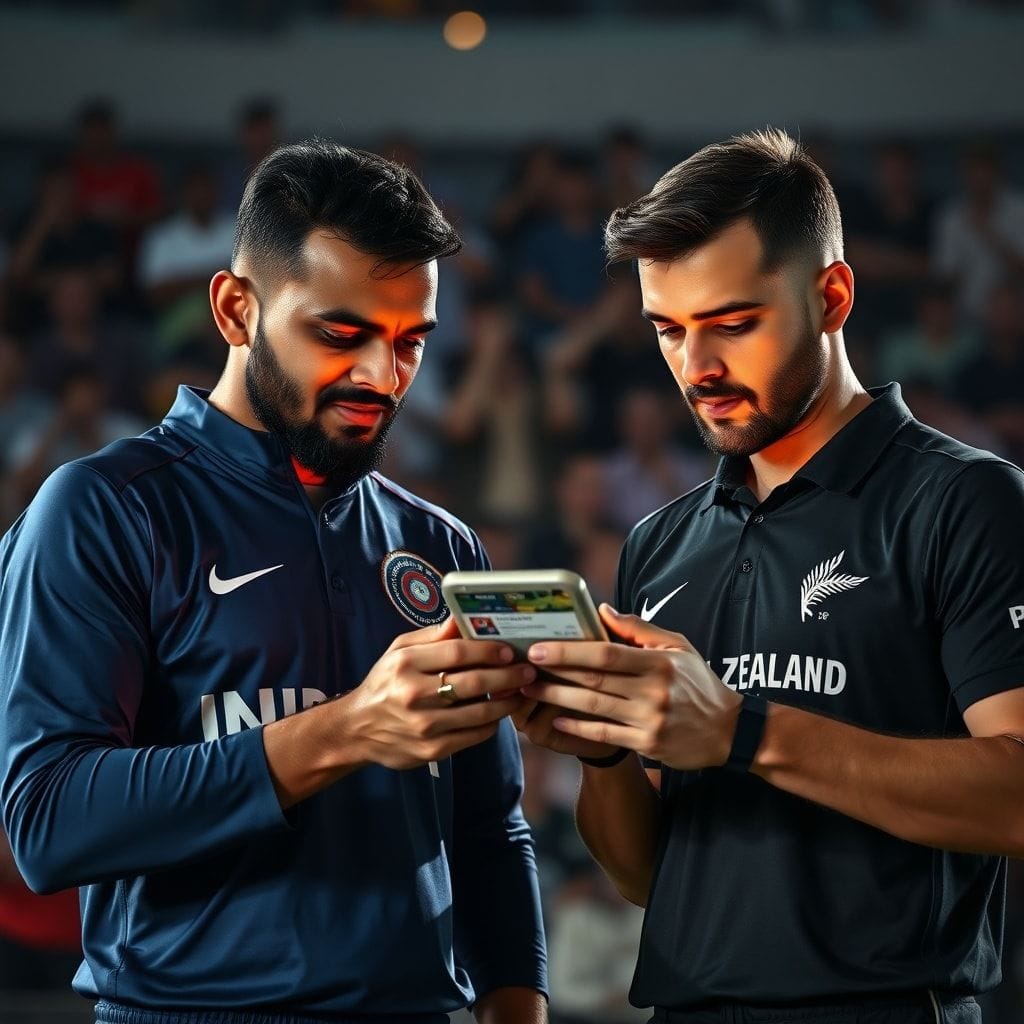
The buzz around the T20 World Cup 2026 final is the cricket; it’s about the scramble for a seat in Ahmedabad’s massive arena. India and New Zealand are set to clash, and fans are racing to lock down tickets before the last minute releases hit the market.
India arrive as defending champions, hoping to become the first side to retain the trophy. New Zealand, fresh from a gritty semi‑final win, want to finish the job. The stakes are high, the venue is huge, and the ticket tiers range from modest ₹1,000 spots to exclusive ₹75,000 suites. This mix of on‑field drama and off‑field frenzy makes the final a cultural moment for Indian cricket lovers.
The Stats Behind the Strategy
| Ticket Category | Price (₹) | Typical View |
|---|---|---|
| Block K Bay Upper 1‑9 | 1,000 | Upper tier, distant but lively atmosphere |
| Block B Bay Lower 1‑7 | 2,500 | Mid‑level, clear view of the boundary |
| President Gallery L3 Bay 4‑6 | 15,000 | Premium seats behind the pitch, close to the action |
| Premier Suite 401 & 437 | 25,000 | Private suite with lounge facilities |
| Presidential Suites (Level 4) | 60,000‑75,000 | Luxury boxes with personal service |
Beyond the price tags, the ground itself shapes the game plan. Narendra Modi Stadium’s flat, hard surface rewards a blend of power hitting and quick running between the wickets. Historically, teams that posted a 180+ total in the first innings have a 70% win rate here, thanks to the short boundary lengths and a fast outfield.
India’s batting line‑up, built around aggressive openers Ruturaj Gaikwad and Shubman Gill, thrives on those conditions. Their ability to clear the in‑field early forces New Zealand into a chase under lights, where the evening dew often makes the ball skid, giving an edge to bowlers who can grip the wet surface.
New Zealand’s captain, Tom Latham, prefers to bowl first when the pitch is dry, relying on disciplined swing from the seamers. Their plan will be to keep the run‑rate around 8.5 while snaring early wickets, then unleash the power hitters like Finn Allen in the final overs when the dew settles.
From a tactical perspective, the toss will be a decisive moment. If India wins, a decision to field first could be safe, letting the bowlers exploit any early movement and allowing the batting side to chase under lights. If New Zealand gets the toss, they may elect to bat, hoping to set a defendable total before the moisture swirls in.
Coach Rahul Dravid has spoken about rotating the strike and using the fourth‑down slot wisely. He expects Gaikwad to anchor the innings, while the middle order—Virat Kohli, Hardik Pandya—will accelerate after the 10‑over mark. The plan hinges on deep‑crease batting, a strategy that has paid off in recent T20 leagues.
New Zealand’s bowlers will lean on Tim Seifert’s slower balls and Ish Sodhi’s mystery deliveries, especially during the powerplay when the ball is new. Their field placements will be aggressive, with two slips and a short‑leg early on, shifting to a deep square‑leg as the innings progresses.
Fans are already feeling the tension. Social media threads overflow with ticket‑hunt anecdotes, from people waking up at 4 am to refresh BookMyShow, to groups forming WhatsApp alerts for last‑minute releases. The mixture of excitement and anxiety mirrors the on‑field anticipation – the final could swing on a single mistake, just as ticket availability can hinge on a single click.
From a broader tournament angle, a win for India would cement their place as a modern powerhouse, potentially influencing squad selections for upcoming bilateral series. A New Zealand triumph would reinforce their reputation for punching above their weight in high‑pressure matches, likely boosting their confidence heading into the next ICC calendar.
Looking ahead, the winner will enjoy a direct entry into the 2027 Champions Trophy, while the runner‑up will need to qualify through the standard pathway. The financial windfall from prize money and sponsorship deals also looms large, especially for the Indian board, whose commercial partners are eyeing a surge in viewership.
In terms of player mindset, the Indian side appears relaxed yet focused. Their recent semi‑final win by seven runs showcased a nerves‑of‑steel finish, suggesting they are comfortable in nail‑biting ends. New Zealand’s squad, bruised but unbowed, will likely draw motivation from their underdog status, treating each ball as a chance to rewrite expectations.
The stadium itself, with its 130,000‑seat capacity, adds an extra layer of spectacle. The Adani Pavilion End often favors the batting side due to a slightly flatter slope, while the GMDC End can assist swing when a gentle breeze blows from the west. Players who have previously performed well at these ends – such as India’s Jasprit Bumrah, who loves the GMDC tailwind – will be keen to exploit that familiarity.
Ticket pricing also reflects the stadium’s hierarchy. The President’s Gallery offers an up‑close view of the bowlers’ run‑up, where fans can feel the surge of each delivery. Those in the Premier Suites will enjoy hospitality packages that include pre‑match analysis from former cricketers, a perk that could influence how they perceive the game’s tactical shifts.
Ultimately, the final will be a blend of skill, strategy, and fan passion. Whether you’re watching from the upper tier for ₹1,000 or from a luxe suite for ₹70,000, the experience will be defined by the electric atmosphere that only a World Cup climax can generate. For the players, the pressure is a familiar companion; for the fans, the hunt for a ticket is the latest chapter in the story of a nation that lives and breathes cricket.
Cricket Desk: Want more on 2026 T20 World Cup? Check out our 2026 T20 World Cup Latest News & Stats.