
The Voices Behind the T20 World Cup Final: A Commentary Breakdown
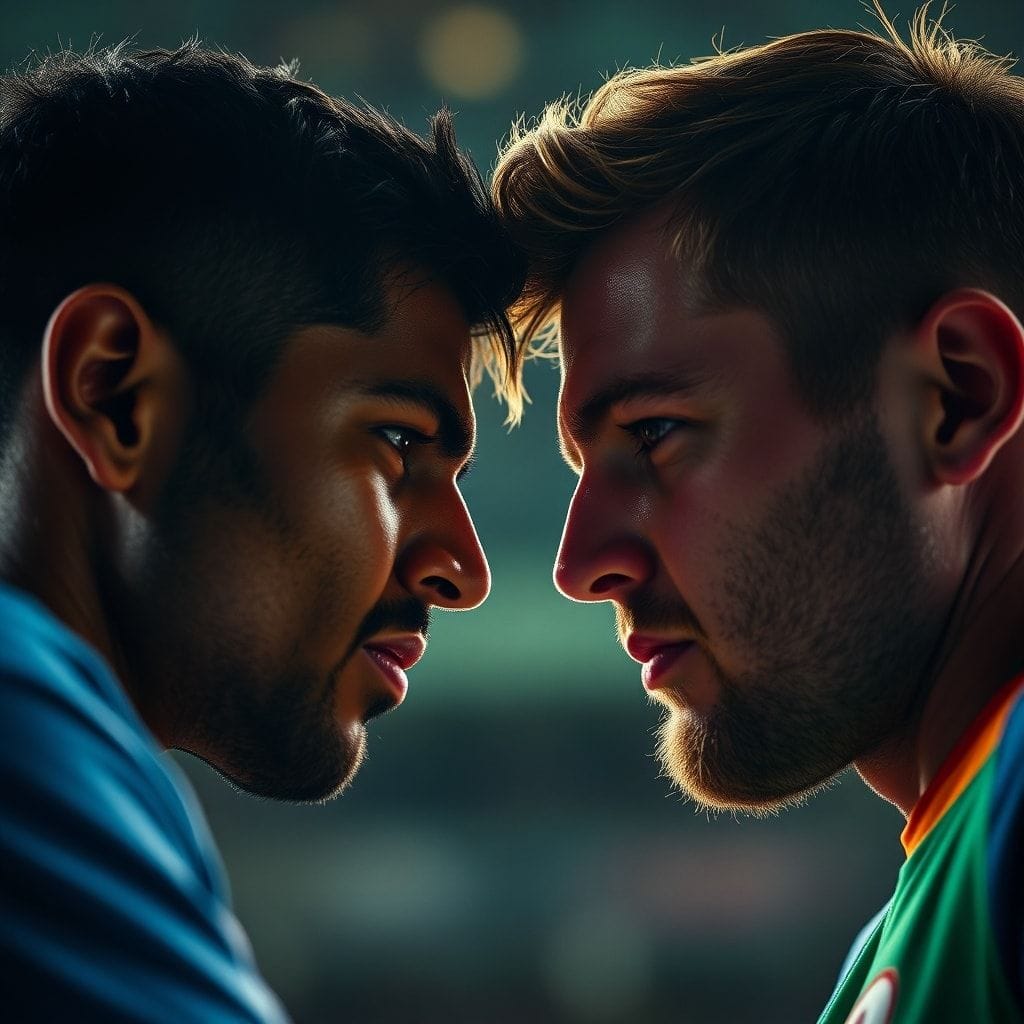
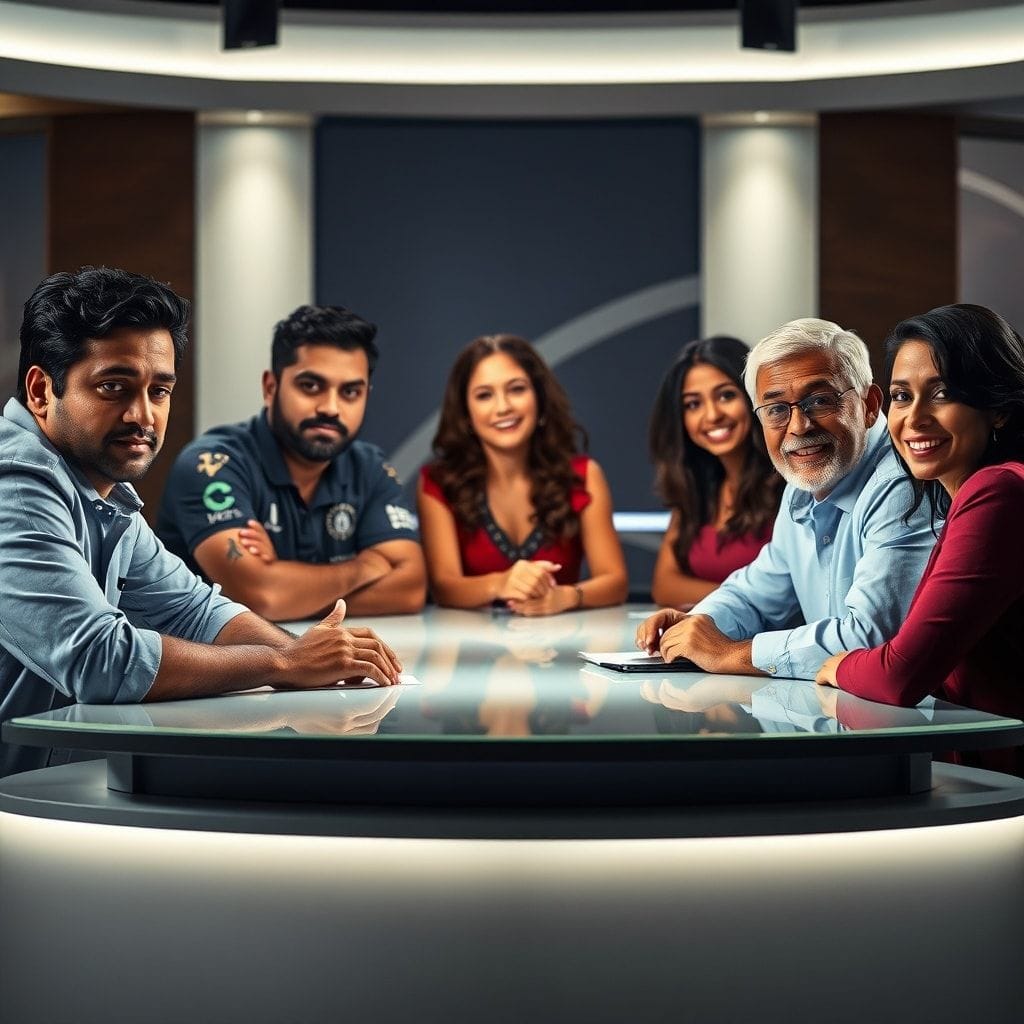
The ICC Men’s T20 World Cup 2026 final in Ahmedabad will be more than a clash between India and New Zealand; it will be a showcase of cricket’s most familiar voices. A star-studded commentary lineup promises to turn every delivery into a story that reaches fans in dozens of languages.
The Stats Behind the Strategy
| Language | Commentators | Key Figures |
|---|---|---|
| English | 13 | Ravi Shastri, Sunil Gavaskar, Harsha Bhogle |
| Hindi | 7 | Aakash Chopra, Irfan Pathan, Dinesh Karthik |
| Tamil | 6 | Kris Srikkanth, Anirudha Srikkanth |
| Telugu | 8 | Hanuma Vihari, MSK Prasad |
| Bengali | 6 | Sreevats Goswami, Gautam Bhattacharya |
| Marathi | 5 | Kiran More, Salil Ankola |
| Bhojpuri | 4 | Saurabh Kumar |
| Haryanvi | 4 | Manvinder Bisla |
Star Sports has turned the final into a multilingual festival, with 54 recognised voices spanning the country’s linguistic tapestry. The English panel alone features three former World Cup-winning captains, giving viewers tactical insight that goes beyond the usual play-by-play.
Why the broadcast matters
For a nation that lives and breathes cricket, the final is an event that unites families across dinner tables, bus stops and village squares. When the microphone switches from Shastri’s exuberant “India, India!” to Chopra’s data-driven dissection, fans feel they are part of a shared conversation. The inclusion of regional panels reflects a growing belief that the sport’s narrative belongs to every language group, not just the dominant ones.
Tactical voices on the field
Each commentator brings a distinct lens. Shastri, with his former coaching stint, often spotlights field placements that align with India’s aggressive batting order. Hussain leans on his experience defending low totals, reminding viewers how New Zealand’s seam attack can exploit even a flat pitch. Gavaskar’s bat-by-bat breakdowns are a masterclass in reading line and length, a skill that proves priceless when a spinner like Yuzvendra Chahal wheels the ball on Ahmedabad’s hard surface.
On the New Zealand side, Ian Smith’s anecdotal recollections of playing in sub-continental conditions add colour, while Ian Bishop’s emphasis on pace variation helps explain why Mitchell Santner’s slower balls are effective on a venue that offers consistent bounce.
Player-venue connections
The Narendra Modi Stadium in Ahmedabad is known for its true bounce and a slight preference for pace. Indian pacers such as Jasprit Bumrah have historically thrived here, extracting extra seam movement on the freshly rolled surface. In contrast, New Zealand’s medium-pace trio often adapts by targeting the foot-marks left by spinners, a tactic they employed in the 2022 semi-final against Pakistan.
When a player like Hardik Pandya steps up for a slog, Shastri will reference his past exploits on similar turn-heavy tracks in Chennai, reminding fans that a short-run approach can still dominate at a ground where the ball sits up for a while.
Impact on the tournament and what follows
Beyond the final, the broadcast experiment could reshape how future ICC events allocate commentary resources. If viewership spikes in regional language feeds, the board may invest in more localized analysis for upcoming series, making the sport even more inclusive.
For the teams, the pressure of performing under a global microphone array can be a double-edged sword. Players know that every mis-step is instantly dissected across ten different commentaries, which can amplify nerves but also inspire them to raise their game for a wider audience.
Fans in the stands and at home
From the bustling streets of Delhi to the tea stalls of Odisha, the final’s commentary roster feels like a hometown reunion. Fans tweet about hearing their favourite ex-player’s voice for the first time, while older supporters reminisce about listening to Sunil Gavaskar’s calm explanations during the 1980s. The blend of seasoned analysts and youthful presenters creates a bridge that spans generations.
Even the post-match studio, anchored by Mayanti Langer, promises a mix of emotional highs and technical debriefs. Langer’s reputation for asking the right questions will likely bring out candid reflections from captains, giving fans a glimpse into the mindset that drives a World Cup victory.
Final thoughts
The final at Ahmedabad will be remembered not just for the runs scored or wickets taken, but for the chorus of voices that turned a cricket match into a national conversation. Whether you prefer the analytical depth of Aakash Chopra or the lively banter of Ravi Shastri, the broadcast stands as a testament to cricket’s power to connect a continent, one language at a time.
Explore more: ICC T20 World Cup – Live Scores, Schedule & Teams
Cricket Desk: Want more on 2026 T20 World Cup? Check out our 2026 T20 World Cup Latest News & Stats.