SLC Appeals to PCB Over India-Pakistan T20 Clash Boycott
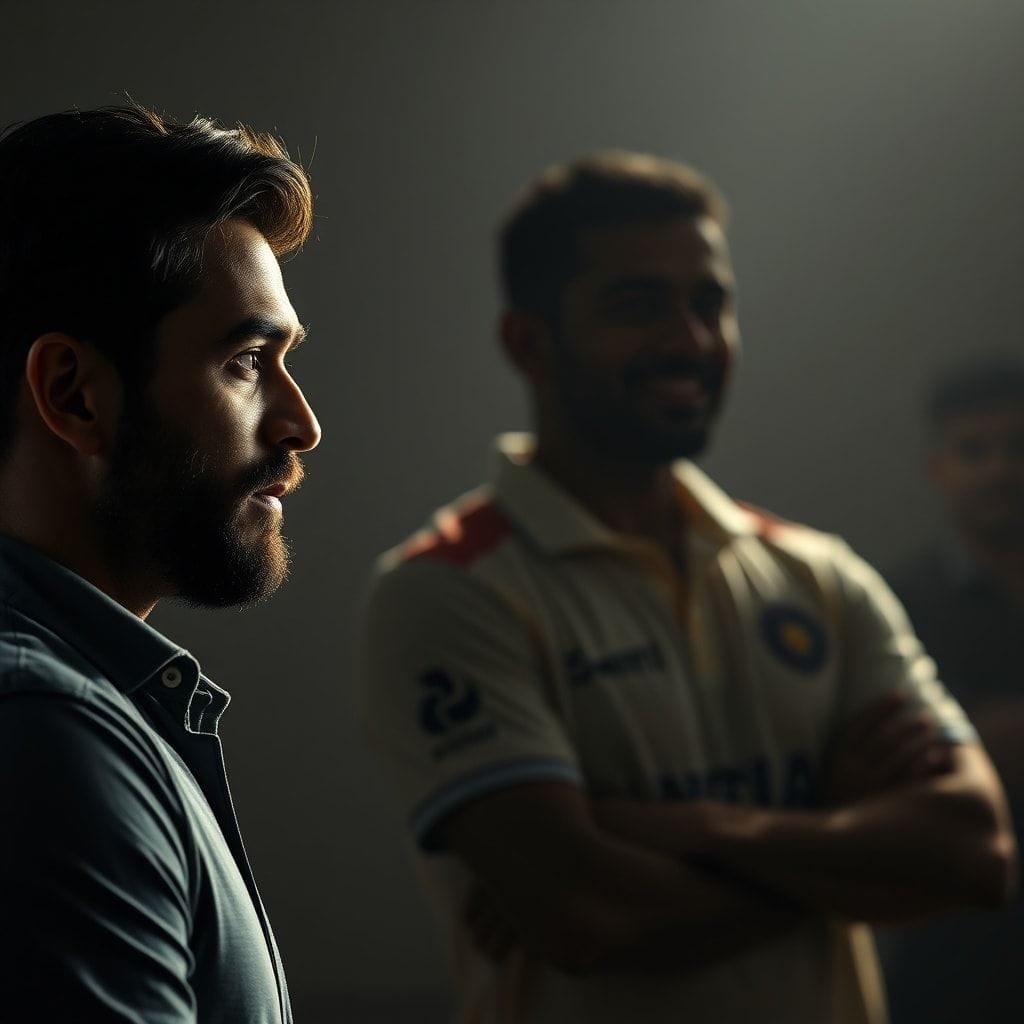
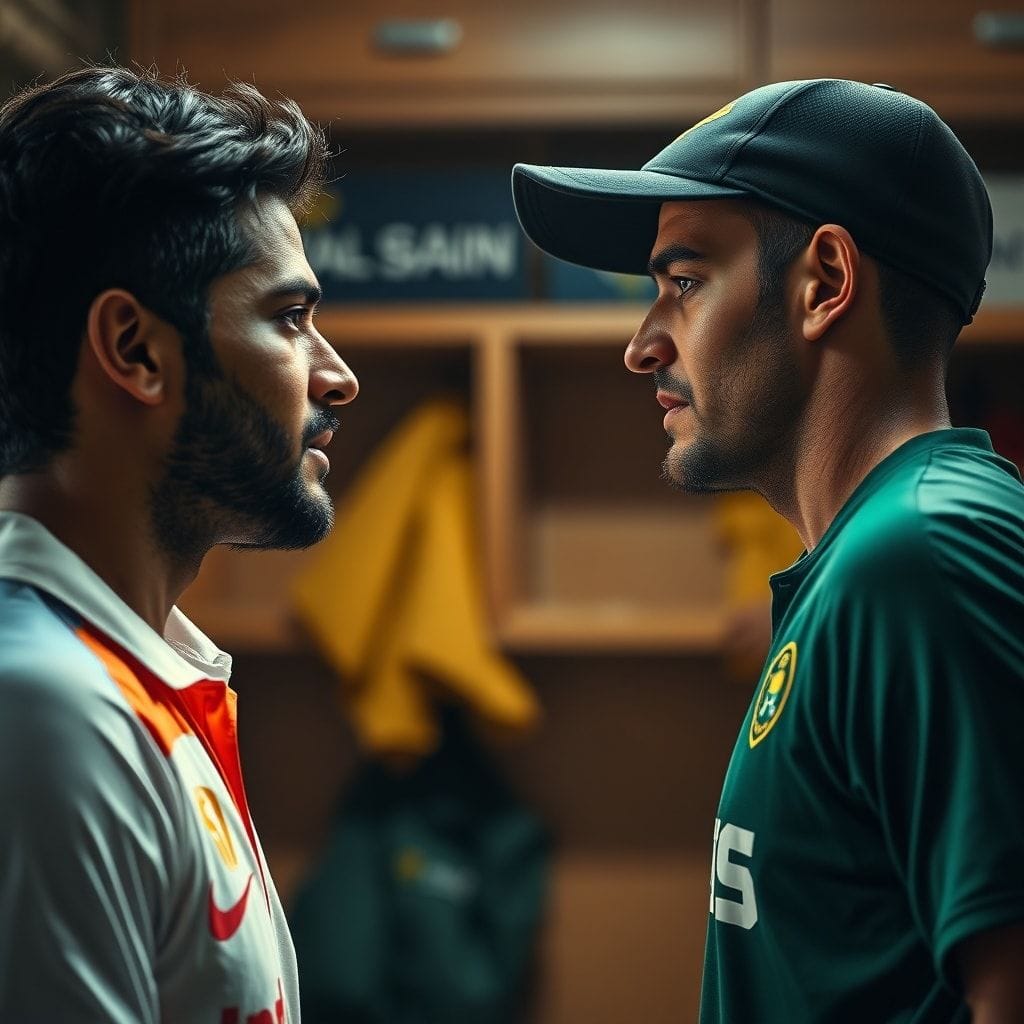
In early February 2026, Sri Lanka Cricket issued a formal two-page appeal to the Pakistan Cricket Board, urging reconsideration of their decision to boycott the highly anticipated India-Pakistan T20 World Cup match. Citing historical tensions such as the 2009 Lahore terrorist attack, SLC emphasized the importance of maintaining sporting engagement amid geopolitical strain. This match isn’t merely another fixture—it’s central to the event’s commercial success and regional diplomatic relations.
Why the Standoff Matters
Pakistan’s withdrawal stems from political alignment with Bangladesh, which exited the tournament due to security concerns regarding matches hosted in India. For the International Cricket Council (ICC), this contest represents peak viewership and revenue potential. To Sri Lanka, it offers critical support for a tourism industry still recovering from recent global disruptions.
Team Decisions Under Pressure
If played, both teams are expected to field strong squads. India’s captain Suryakumar Yadav has confirmed key players including opener Yashasvi Jaiswal, middle-order anchor Rahul Tripathi, and finisher Hardik Pandya. Their spin strategy hinges on veterans Ravindra Jadeja and Rahul Chahar—well-suited for Premadasa’s turning pitches.
Pakistan may counter with pacemen like Mohammad Abbas and versatile spinner Shadab Khan. the PCB faces internal pressure between political symbolism and competitive integrity, weighing whether missing the game aligns with long-term interests.
Player Mindset and Venue Nuance
R. Premadasa Stadium is known for assisting spinners, especially after 20 overs when the surface cracks further. Fast bowler Kasun Rajitha benefits from local knowledge, while Mohammed Siraj previously exploited similar conditions during a domestic spell. The roar of over 30,000 spectators adds intensity, often tipping close contests.
Dhananjaya de Silva once noted how home advantage fuels energy levels crucial in high-pressure moments. Such psychological edges matter greatly in games where margins are slim.
The Stats Behind the Strategy
| Metric | India vs Pakistan (T20 World Cups) | Projected Revenue Impact (USD) | Premadasa Pitch Avg. |
|---|---|---|---|
| Average attendance per match | 28,450 | – | 30,200 (2022) |
| India win % | 68% | – | – |
| Pakistan win % | 32% | – | – |
| Commercial loss if cancelled | – | ~250 million | – |
| Spin wickets per innings | – | – | 2.8 |
Data highlights why this match drives massive interest. Financial implications loom large; spin dominance makes tactical preparation vital.
Tourism, Ticket Sales and the Bigger Picture
Tickets sold out rapidly, prompting hotel bookings to surge by 40%. A cancellation would unravel plans across sectors—from airlines to street vendors—impacting not just finances but national reputation. Previous goodwill built through successful hosting efforts risks erosion unless stability prevails.
Fan Perspective
Social media buzzes with mixed emotions. Sri Lankans recall past reconciliatory tours, hoping sports can bridge divides. Indian fans gear up enthusiastically, blending rivalry with mutual respect. Pakistani voices remain split—some backing government directives, others advocating for neutral sporting space.
What Comes Next?
Time is running short for resolution. Should Pakistan hold firm, organizers might reshuffle fixtures or promote alternate matchups—a logistical nightmare. Alternatively, should diplomacy prevail, expect record-breaking viewership figures exceeding 200 million globally.
Beyond scores and statistics lies a deeper narrative—one shaped by history, economics, and shared passion. Every stakeholder watches closely—not just for runs scored, but decisions made off the field.
Explore more: India Vs Pakistan