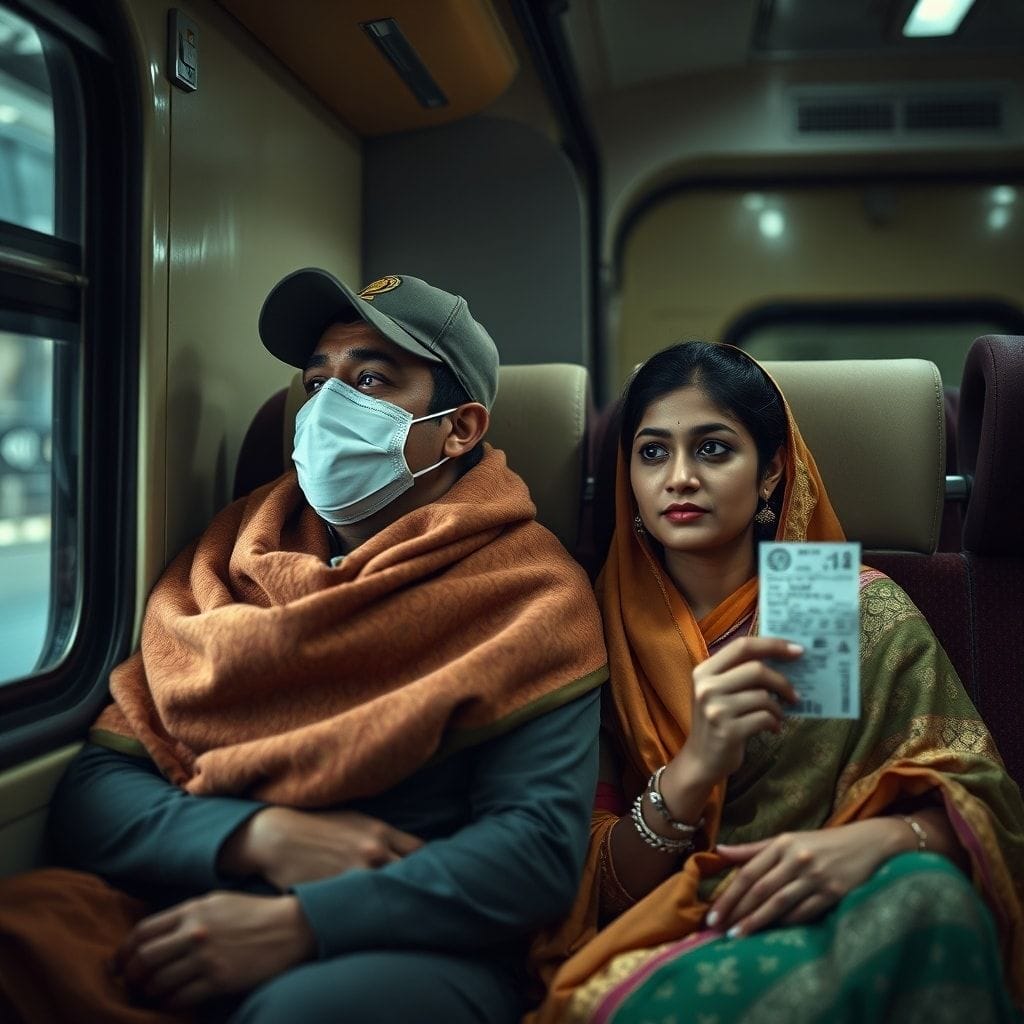
Shivam Dube’s Humble Train Ride Home After World Cup Victory
Shivam Dube’s quiet train ride home after India’s T20 World Cup triumph offers a glimpse into the human side of a modern cricket hero. While the nation celebrated a historic trophy, the all‑rounder chose a 3rd AC coach on the Sayaji Express to reunite with his young family, sparking conversations about privilege, logistics, and the everyday realities faced by players.
The Stats Behind the Strategy
| Metric | Dube (T20 WC) | Team Average (India) |
|---|---|---|
| Runs Scored | 235 | 197 |
| Strike Rate | 169 | 144 |
| Boundaries per Innings | 5.2 | 4.1 |
| Overs Bowled | 20 | 22 |
| Economy Rate | 6.8 | 7.2 |
The numbers show why Dube was a key piece in the final. His strike‑rate of 169 placed him well above the team average, turning pressure moments into quick runs. With a modest economy of 6.8, he offered a useful fifth‑bowling option, allowing India to rotate its main attack without leaking too many runs.
Beyond the raw figures, the venue mattered. The final was played at the Motera Stadium in Ahmedabad, a ground known for its hard, low‑bouncing pitches that reward aggressive shot‑making. Dube’s ability to clear the in‑field and find gaps on the shorter boundaries aligned perfectly with the surface, turning the green top into a scoring machine.
Tactical Choices and Team Decisions
India’s line‑up for the final was a blend of experience and raw firepower. Selecting Dube as the sixth batting option gave captain Rohit Sharma the flexibility to push the low‑order up the order when early wickets fell. The decision to hand Dube a cameo role in the powerplay was bold – it forced the opposition to rethink field placements and opened up the middle overs for a steady run‑flow.
On the bowling front, the team’s captain opted to keep the primary strike bowlers for the death, while Dube bowled during the middle overs when the ball was still relatively new. His medium‑pace, combined with a subtle swing, made him a valuable link between the opening burst and the final slog. The strategy paid off as India kept the run‑rate under control, allowing the top‑order to launch a final assault.
Player Mindset and the Journey Home
For Dube, the tournament meant more than accolades. After weeks away from home, the impulse to see his four‑year‑old son Ayaan and two‑year‑old daughter Mehwish outweighed the lure of a private jet. The decision to travel by train also reflected a grounded mindset – he preferred a straightforward, reliable route over a chaotic scramble for seats on overbooked flights.
The logistics of post‑final travel were a nightmare. Ahmedabad saw a flood of fans, officials, and media trying to leave at once. All commercial flights to Mumbai were fully booked, and the road journey would have taken well over ten hours. The early 5:10 am Sayaji Express offered an eight‑hour window, a predictable schedule, and a chance to board without the fanfare of a chartered plane.
Even on the train, Dube knew he had to stay incognito. A cap, face mask, and a thick brown blanket turned him into a regular commuter. When the ticket collector raised eyebrows at his name, his wife’s quick‑witted response defused the situation, showing a united front and a calm under pressure that mirrors his on‑field demeanor.
Impact on the Tournament Narrative
Dube’s humble return added a human touch to the larger story of India’s dominance. While headlines praised the collective brilliance of the squad, his personal episode reminded fans that cricketers are also fathers, husbands, and everyday travelers. The episode sparked social media discussions about the disparity between star treatment and everyday life, with many applauding his choice of a modest journey.
the incident highlighted the need for better post‑event logistics planning. Organisers may now consider dedicated charter flights for players, or reserved railway compartments, to avoid such last‑minute scrambles. It also opened a dialogue about player welfare beyond the playing field – ensuring that mental comfort and family time are factored into travel arrangements.
What Comes Next for Dube and the Team
Looking ahead, Dube’s performance cements his place in the core T20 setup. With the next bilateral series in South Africa slated for later this year, he is likely to retain his role as a power‑hitting finisher and a handy bowler. His adaptability on different pitches – from Ahmedabad’s low‑bounce decks to Johannesburg’s quick turners – will be a key asset.
For India, the victory sets a high benchmark as they head into the 2027 World Cup cycle. The squad will need to balance the exuberance of a winning formula with the freshness of emerging talents. Dube’s story, intertwined with his on‑field success, illustrates the blend of humility and ambition that the team must nurture.
Fans’ Voice and Grounded Opinions
From the streets of Mumbai to the cricket forums, fans reacted with a mix of admiration and amusement. Many lauded Dube’s down‑to‑earth approach, seeing it as a breath of fresh air amidst the usual glamour. Others chuckled at the image of a world‑cup hero tucked beneath a railway blanket, turning him into an instant meme.
Critics, pointed out that such travel hiccups should not happen to a national champion. They called for a structured “player travel protocol” that respects both security concerns and personal comfort. The consensus, though, leans towards a feeling of pride – a hero who chose family over fanfare, reminding everyone that cricket’s heart beats beyond the stadium lights.
In the end, the story of Shivam Dube’s train ride is more than a footnote; it is a reminder that the sport’s greatest narratives are often written in the quiet moments between the cheers. Whether he’s smashing sixes on a green top or slipping into a sleeper berth, Dube’s journey resonates because it mirrors the aspirations of countless fans who simply want to get home.
Cricket Desk: Want more on 2026 T20 World Cup? Check out our 2026 T20 World Cup Latest News & Stats.