Pakistan’s T20 World Cup Exit Sparks captaincy debate Ahead of ODI Series
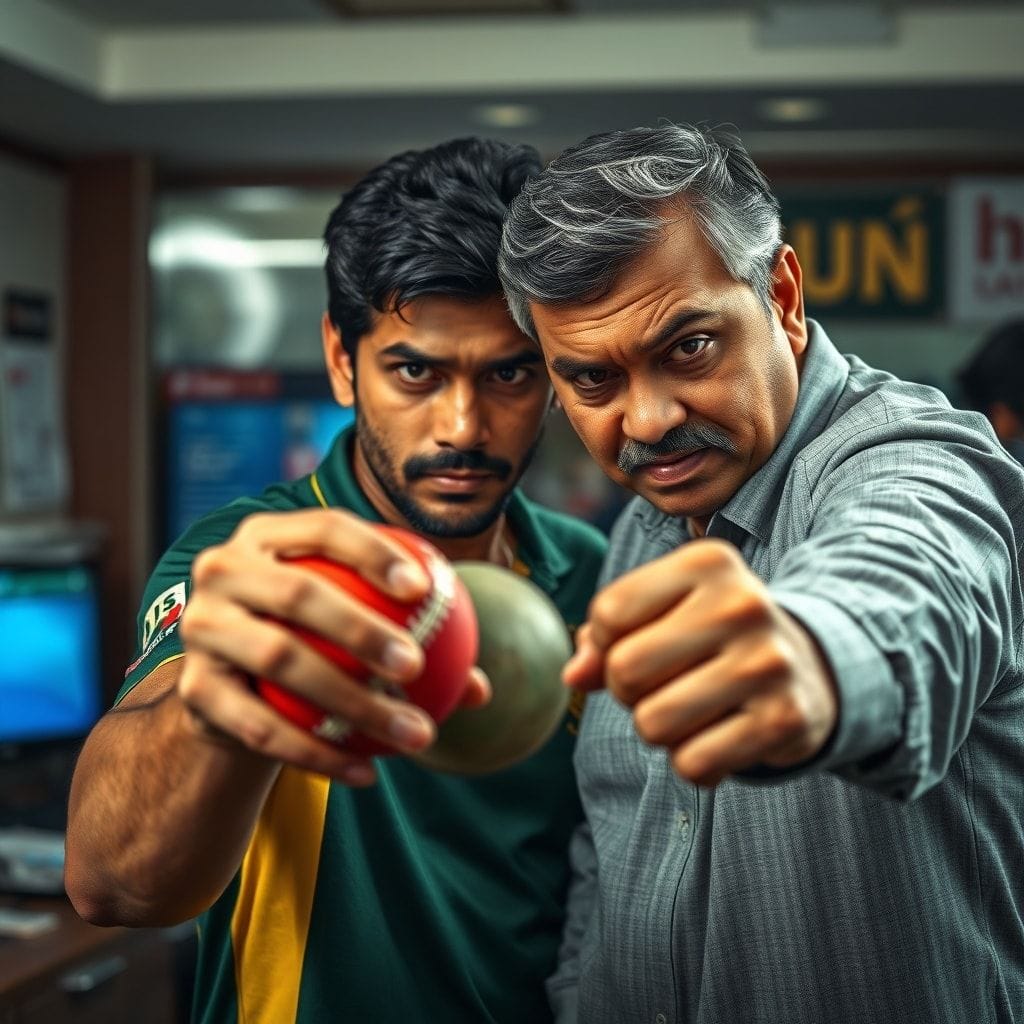
Pakistan’s early exit from the 2026 T20 World Cup has reignited a fierce debate over who should lead the side into the next big tournaments. Former star Shahid Afridi’s blunt criticism of Shadab Khan adds fresh fuel to a fire that has been smouldering since the Super Eight stage. The conversation matters because the captain’s role shapes everything from field placements to player confidence, and Pakistan’s next steps could define the next decade of its cricketing fortunes.
The Stats Behind the Strategy
| Player | Matches | Runs | Batting SR | Wickets | Economy |
|---|---|---|---|---|---|
| Shadab Khan | 7 | 118 | 112.00 | 5 | 7.8 |
| Salman Ali Agha (c) | 6 | 176 | 138.00 | 0 | – |
| Haris Rauf | 7 | 45 | 105.88 | 12 | 6.2 |
The numbers tell a simple story: the current captain was the most aggressive bat, while the all‑rounder under fire struggled to make an impact with both ball and bat. In a tournament where net‑run‑rate decided Pakistan’s fate, every run and every dot ball mattered.
Tactical Shifts and Team Decisions
Coach Saqlain Mushtaq opted for a two‑spine attack – Agha at the top and Shadab in the middle order, hoping the leg‑spinner could tighten the middle overs. The plan worked in the power‑play but collapsed when New Zealand’s chase demanded disciplined death bowling. Pakistan’s bowlers bowled an extra 1.5 overs in the death phase compared to the global average, a clear sign of a lack of clear role definition.
When India posted 175 in the group stage, Pakistan’s response was a failure to adjust. The decision to keep Agha at the crease for the final 12 balls, instead of promoting a finisher, cost them 16 runs. The move reflected a captain‑centric mindset that ignored the data showing Fakhar Zaman’s 15‑run strike rate under pressure.
Player Roles, Mindset, and Venue Linkage
Shadab’s leg‑spin thrives on slower, turning tracks – think of Colombo’s R. Premadasa Stadium where his variations have historically bamboozled batsmen. The World Cup’s venues, especially the pace‑friendly stadiums in New Zealand, stripped him of that natural advantage. In contrast, Haris Rauf’s seamer is built for the extra bounce at a venue like Auckland’s Eden Park, yet he was under‑utilised in the middle overs, keeping him from setting up the end‑game.
Salman Ali Agha, a left‑handed opener, has a knack for pre‑t20 aggression on flat tracks such as Dhaka’s Sher‑e‑Bangla ground, which Pakistan will face later in the ODI series. If he carries that confidence into the longer format, his aggressive start could set a platform for a middle-order that includes Shadab’s spin on slower surfaces.
Impact on Upcoming Tournaments
With the T20 World Cup behind them, Pakistan’s calendar is packed. The three‑match ODI series against Bangladesh in Dhaka will be the first real test of any leadership changes. The pitches there are slower, offering turn – a perfect laboratory for Shadab to rebuild his case. If he can claim four wickets across the series, the captaincy chatter may quiet down.
Later, the August Test series in England will force the board to think long term. Headingley’s seam‑friendly conditions demand a pace‑attack lead, which could see Haris Rauf cement his place as a frontline bowler, while the captaincy may revert to a senior base – perhaps Babar Azam, who already commands the Test side.
Fan Perspective and Grounded Opinions
The streets of Lahore are buzzing with a mix of frustration and hope. Social media threads show fans split: some echo Afridi’s sentiment that captaincy must be earned, while others argue that Shadab’s youth and energy could rejuvenate a side stuck in a tactical rut.
Grounded voices point out that leadership is a collective responsibility. The team’s fielding lapses, missed run‑out opportunities, and a lack of clear communication in the dressing room contributed as much as the captain’s on‑field decisions. A fresh leadership approach that blends experience with aggressive younger voices might be what Pakistan needs.
In the end, the next captain will not be chosen in a vacuum. It will be a product of statistical performance, venue‑specific strengths, and the ability to inspire a nation that lives and breathes cricket. The upcoming series in Bangladesh and the England tour will be the real crucible, and the player who survives it with both numbers and nerves will likely wear the armband.
Cricket Desk: Want more on 2026 T20 World Cup? Check out our 2026 T20 World Cup Latest News & Stats.