Sanju Samson’s Captaincy Masterclass: Tactical Brilliance at Its Best
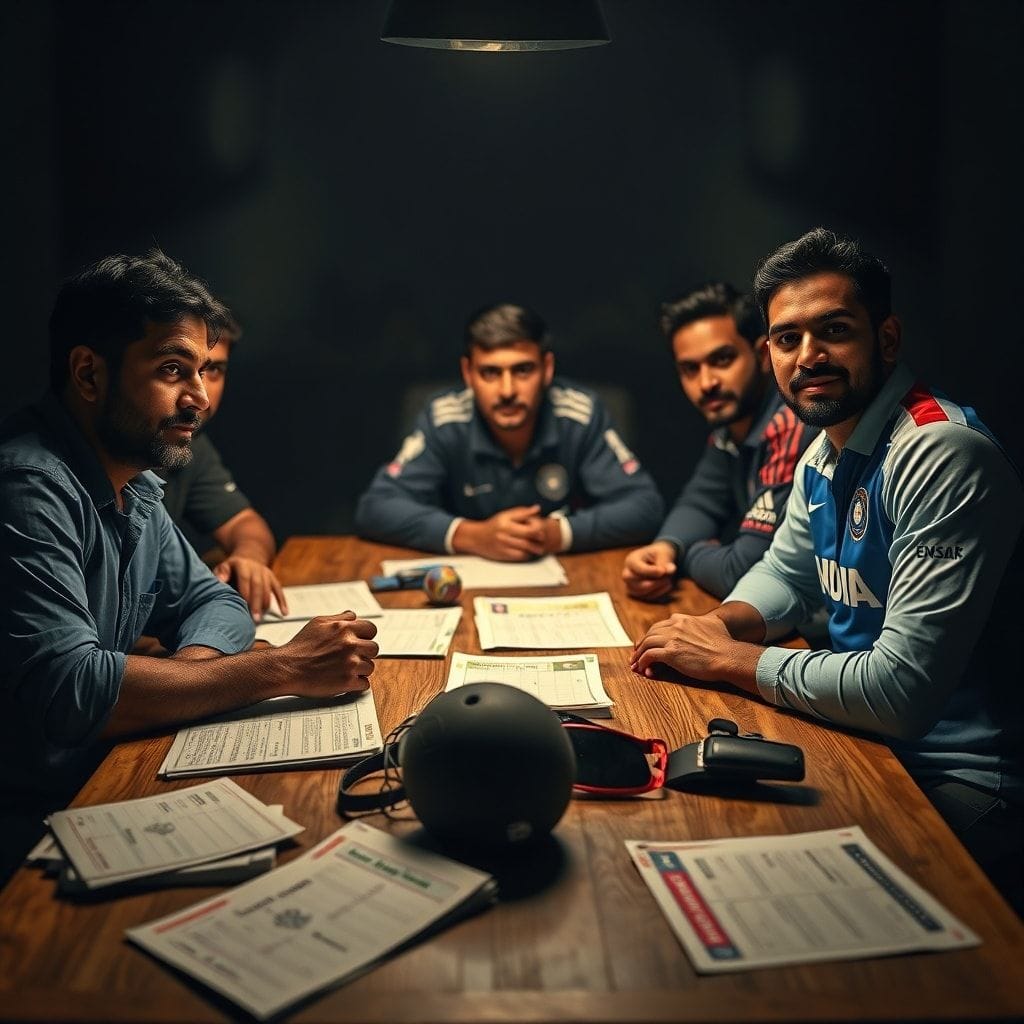
In the high-stakes world of T20 cricket, leadership often defines outcomes. Sanju Samson’s captaincy during the recent tournament stood out—not through flamboyance but through calculated decision-making and calm composure under pressure. His ability to read the game and place his players in optimal positions made headlines, especially considering his relatively young age.
Tactical Nuances That Made a Difference
Samson’s approach was never about reinventing the wheel; instead, he focused on maximizing what his squad offered. Early in the tournament, many questioned whether he could balance batting responsibilities with leading the side. He silenced critics by stepping back strategically during key moments, trusting senior voices while asserting himself when needed most.
One defining moment came during a chase against a strong bowling lineup. Rather than taking risks early on, Samson promoted a finisher up the order and rotated strike effectively. This allowed him to stay till the end, managing the crescendo of the innings without losing momentum. It wasn’t flashy—it was smart.
Field placements were another area where Samson shone. Instead of sticking rigidly to conventional setups, he adapted based on batter tendencies and pitch conditions. Against spin-heavy attacks, he stationed men smarter—closer to the bat or deeper depending on flight lengths—and ensured wicket-taking chances weren’t missed due to poor angles.
The Stats Behind the Strategy
| Metric | Value |
|---|---|
| Matches Led | 10 |
| Win Percentage | 60% |
| Avg First Innings Score When Batting 1st | 182 |
| Wickets Taken While Fielding First | 78 |
| Catches Dropped Under His Leadership | 2 |
These numbers don’t tell the full story, but they highlight consistency. Samson led from the front, scoring crucial runs and making sharp decisions even when the scoreboard wasn’t moving fast enough.
Venue-Specific Adjustments
Playing in Kerala brought its own set of challenges—dew factor, slower pitches, and unpredictable bounce. Samson adjusted tactics accordingly. During evening games, he pushed aggressive batsmen lower down to counteract moisture slowing the ball. Bowlers were instructed to bowl fuller, targeting stumps rather than relying solely on turn.
He also used local knowledge to advantage. Familiarity with Kochi’s outfield dimensions helped position fielders more accurately. In one match, placing an extra man square leg stopped a big six attempt, shifting momentum instantly.
Balancing Act Between Aggression and Control
Perhaps the most underrated aspect of Samson’s leadership was his understanding of pacing. Teams often collapse trying to force results too soon. Samson avoided that trap. He encouraged controlled aggression—an oxymoron some may call it—but his execution proved otherwise.
During powerplays, he kept things steady, letting openers settle before unleashing firepower. Mid-innings saw calculated risk-taking, usually involving himself or other reliable scorers rotating the strike efficiently. As death overs approached, he held onto experienced campaigners who thrived under pressure rather than giving in to youth-led experimentation.
Crucially, he remained unfazed by scoreboard fluctuations. Whether chasing 190 or defending 140, his demeanor stayed consistent—a vital trait for any leader facing intense scrutiny.
Cricket Desk: Want more on Kerala cricket? Check out our Kerala cricket Latest News & Stats.