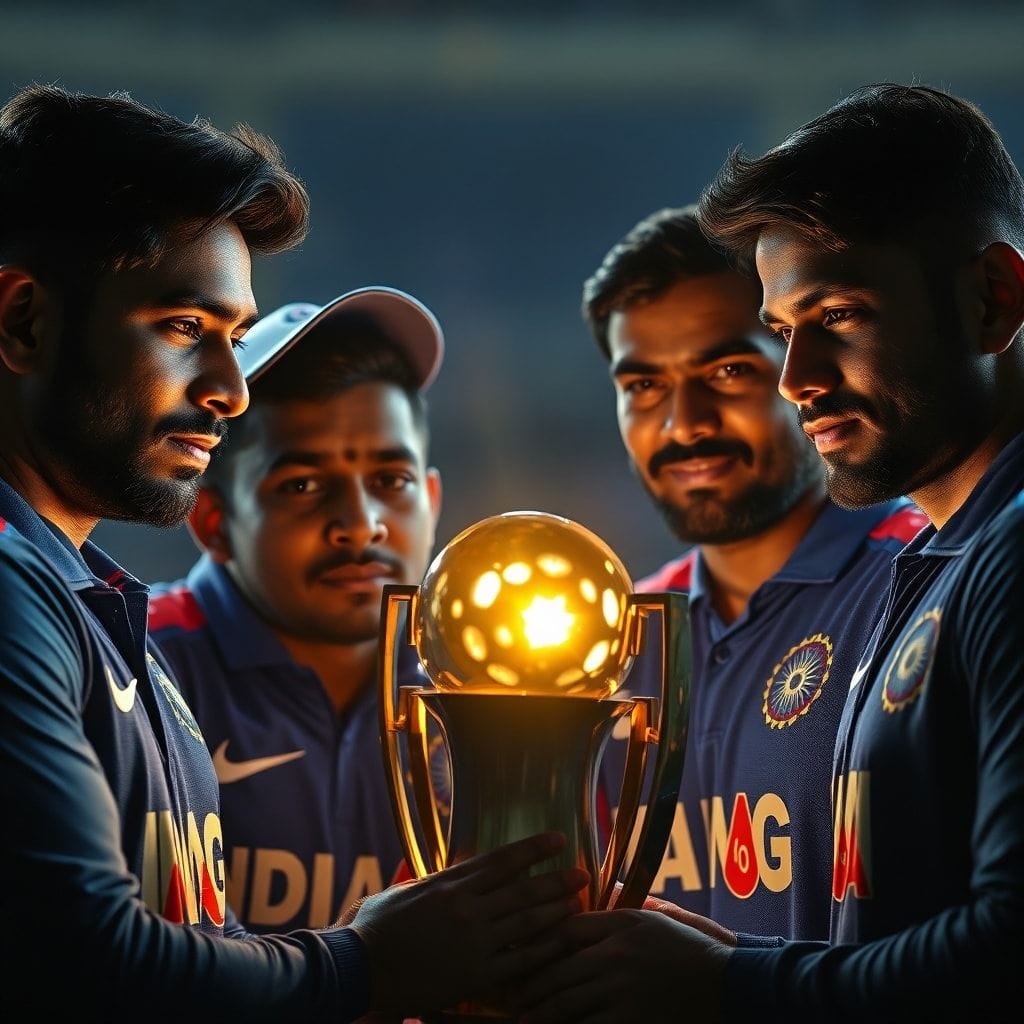
Sanju Samson’s Heroics: A New Chapter in Indian T20 Cricket
Sanju Samson’s unbeaten 97 against the West Indies at Eden Gardens not only propelled India into the T20 World Cup 2026 semi‑finals, it sparked a wave of celebration that stretched from Kolkata to Kerala’s film studios. The innings has become a cultural touchstone, linking cricketing grit with the star power of Malayalam cinema.
India entered the match needing 196 runs – the highest chase in World Cup history – and Samson’s aggressive start reset the narrative. His knock re‑ignited discussions about team balance, batting strategy and the role of a domestic hero on the world stage.
The Stats Behind the Strategy
| Metric | India vs West Indies (Eden Gardens) | India’s previous best chase (World Cups) |
|---|---|---|
| Target | 196 runs | 184 runs (2016 vs Bangladesh) |
| Run rate required | 9.80 runs per over | 9.20 runs per over |
| Samson’s strike rate | 194.00 | 176.00 (vs Sri Lanka 2021) |
| Boundaries (4s/6s) | 9 fours, 5 sixes | 6 fours, 4 sixes |
| Partnership with Yashasvi Jaiswal | 84 runs for the first wicket | 71 runs (vs Pakistan 2021) |
The numbers reveal why the decision to open with Samson paid dividends. A near‑200 strike rate against a disciplined West Indian attack meant the required run rate fell below 10 early, easing pressure on middle‑order hitters. The 84‑run opening stand set a platform that no other World Cup chase has matched with an opener remaining not out.
Tactical Blueprint and Team Decisions
Coach Rahul Dravid’s line‑up for the match was a calculated gamble. By promoting Samson to the opening slot, the team aimed to exploit his ability to dominate the powerplay, especially on a pitch that offered a short bounce for bowlers but rewarded patience on the back foot. The decision to pair him with Yashasvi Jaiswal, a player accustomed to rotating the strike, created a blend of aggression and stability.
Spin options were limited to Rahul’s part‑time off‑spinner, a move that made sense given the dry surface of Eden Gardens. The decision to bowl four overs each from the senior pacers, and then rely on R Ashwin’s control, forced West Indies to gamble early, leading to two costly boundaries in the first two overs.
When the West Indies set a first‑innings total of 195, most pundits expected India to chase conservatively. Instead, Samson’s early slogger approach flipped the script. By taking the attack to the bowlers, he lowered the psychological ceiling for the opposition.
Player Mindset and Role Evolution
Samson entered the crease with a clear mandate: reset the narrative of his international career. Known for flamboyant domestic displays, his mindset had shifted to ‘finish the job’. His choice to target the seamers with lofted drives early on signaled confidence and a refusal to be confined by bowlers’ lengths.
Jaiswal’s role was equally crucial. Rather than dominate, he acted as a conduit, rotating strike and ensuring Samson faced a maximum number of deliveries. This self‑less approach is a hallmark of modern T20 opening partnerships where the ‘anchor’ often gives way to the ‘finisher’.
Veteran bowler Bhuvneshwar Kumar, tasked with the death overs, delivered two economical overs but also bowled a couple of under‑cooked deliveries that Samson punished. The pressure was on the Indian bowlers to keep the West Indies at a manageable total, and they succeeded by keeping the run rate below 8 for most of the innings.
Impact on the Tournament and What Lies Ahead
India’s successful chase not only set a new benchmark for World Cup run‑chases, it also injected a fresh wave of optimism into a squad that had endured a rocky start to the tournament. With Samson in such fine form, the semi‑final against England at Wankhede will likely see Mumbai’s short‑run, low‑bounce pitch favoring aggressive top‑order batting.
England’s line‑up, built around the power‑hitting trio of Jos Buttler, Babar Azam (guest) and Dawood, will need to rethink containment strategies. If Samson repeats his Eden Gardens performance, the Indian side could adopt a ‘front‑load’ approach, looking to pile on 70‑80 runs in the first ten overs, thereby dictating the match tempo.
Beyond the semi‑final, the narrative surrounding Samson could reshape selection debates for the final. Consistency against high‑pressure opponents often sways the selectors, and a match‑winning knock on the world stage carries more weight than any IPL heroics.
Fan Perspective and Grounded Opinions
Across Kerala, the reaction has been electric. From the streets of Kochi to the back‑yards of Thiruvananthapuram, fans have turned Samson’s performance into a rallying cry for regional pride. The social media deluge featuring Mammootty, Mohanlal and Prithviraj underscores how sport can blend seamlessly with local culture.
Critics, caution against letting a single performance dictate future strategies. Some argue that relying heavily on Samson’s aggressive style may expose the team to risk against disciplined bowling attacks. Others point out that India’s depth in the middle order – with the likes of Suryakumar Yadav, Hardik Pandya and Rahul Tripathi – adds insurance if the opener stumbles.
What remains clear is that the fan base now views Samson not just as a player but as a symbol of Kerala’s cricketing ascent. The sustained buzz, from celebrity shout‑outs to meme‑filled timelines, will likely influence the board’s marketing and fan‑engagement plans for the remainder of the tournament.
As the team prepares for the semi‑final, the blend of tactical acumen, individual brilliance and cultural resonance makes India a fascinating prospect in this World Cup edition. Whether Samson’s knock marks the start of a new era or remains an isolated masterpiece, its ripple effects are already shaping discussions across pitch, boardroom and living rooms alike.
Cricket Desk: Want more on Eden Gardens? Check out our Eden Gardens Latest News & Stats.