Burl’s Leg-Spin Masterstroke Stuns Sri Lanka in T20 World Cup Clash
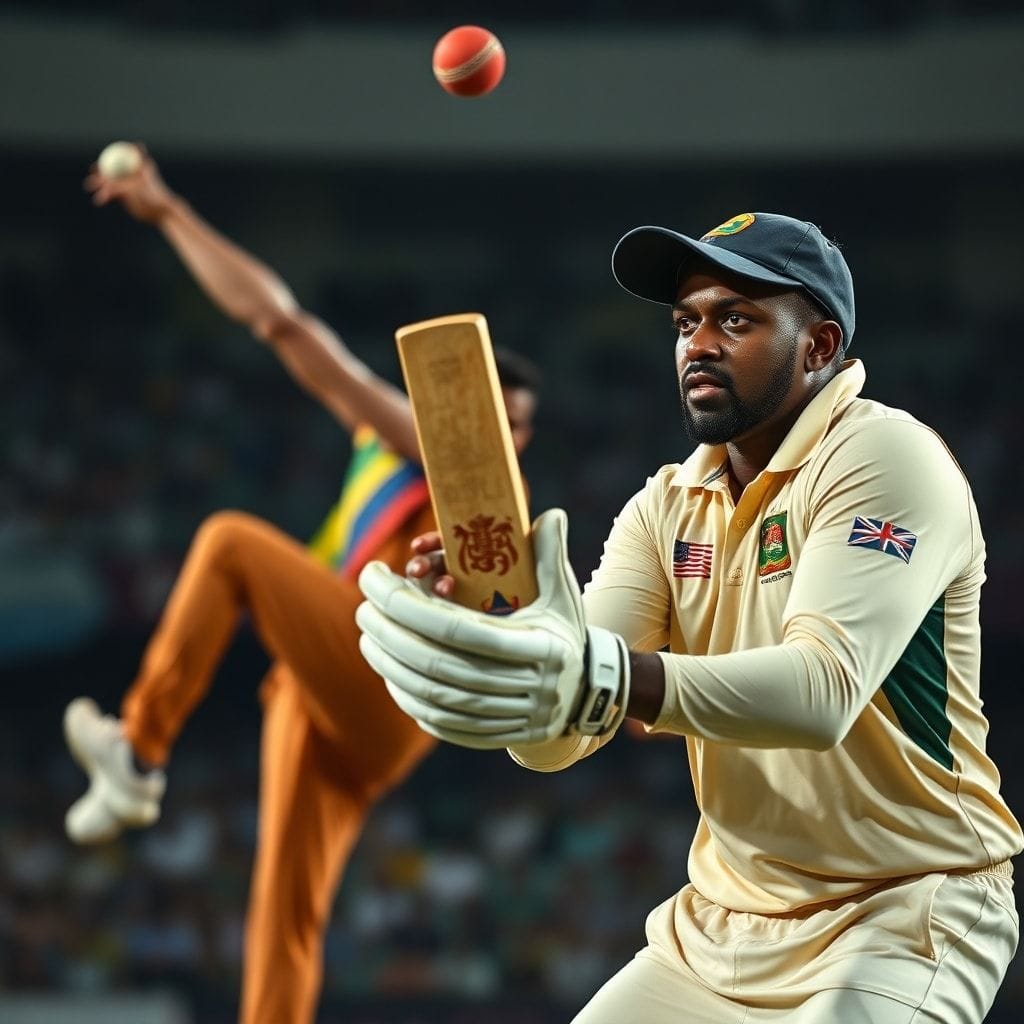
The 38th match of the 2026 T20 World Cup turned into a masterclass in spin warfare when Zimbabwe’s Ryan Burl sent Kusal Mendis packing at the R. Premadasa Stadium. The dismissal not only halted Sri Lanka’s surge past the 100-run mark but also highlighted how a single leg-break can reshape a group-stage encounter.
The Stats Behind the Strategy
| Player | Overs | Runs | Wickets | Economy |
|---|---|---|---|---|
| Ryan Burl (ZIM) | 4 | 22 | 2 | 5.50 |
| Pathum Nissanka (SL) | 5 | 62 | 0 | 12.40 |
| Pavan Rathnayake (SL) | 3.4 | 44 | 0 | 12.20 |
| Graeme Cremer (ZIM) | 4 | 27 | 2 | 6.75 |
At 13.1, Burl’s first ball of the spell cost Sri Lanka a wicket at exactly 100 runs. His figures show a strike rate of one wicket every 12 balls, a crucial edge in a format where every wicket can swing the momentum.
Match Context and Early Decisions
Sri Lanka won the toss and chose to bat, a logical move on a surface that traditionally offers a modest bounce but rewards timing. The openers, Nissanka and Perera, exploited the powerplay, cruising to 54/1 in five overs. Their aggressive intent forced Zimbabwe to rethink their field placements, pulling the inner circle back and inviting a few wides.
Zimbabwe’s captain Sikandar Raza kept the first change bowler as a seam specialist, hoping to stem the flow early. When the partnership of Nissanka and Perera stalled at 70, Raza turned to his trusted leg-spinner – a decision that would define the middle overs.
Why Burl Was the Weapon of Choice
Burl’s skill set aligns perfectly with the R. Premadasa pitch. The outfield is a blend of firm grass and a low-lying crust that offers just enough grip for a leg-break to turn sharply without bouncing unpredictably. In earlier group games, the venue has produced an average of 1.8 leg-spinner wickets per match, making the spinner a potent factor.
His approach in the 13th over was textbook: a fullish length outside off, a heavy flight, and subtle drift. Mendis, set at 14 off 20, tried to accelerate with a lofted cover drive. The ball’s drift and subsequent turn left him scrambling, and wicketkeeper Tadiwanashe Marumani pounced on the stumps. The stumping underscored the importance of wicket-keeping agility in T20, especially against flighted deliveries.
Impact on the Sri Lankan Line-up
After Mendis’s exit, the middle order faced a dilemma. Veteran Graeme Cremer and young swinger Blessing Muzarabani ate away at the runs but could not break the partnership. Pavan Rathnayake, previously a lower-order finisher, was promoted to the crease. He reveled in the freedom, smashing 44 off 25 balls at a strike rate of 176. His innings kept the run rate steady, but the loss of wickets in quick succession—Brad Evans cleaning up Rathnayake and Dushan Hemantha in the 19th over—prevented a mammoth total.
The final 56 runs added in the last five overs came at a brisk pace, yet four wickets fell, highlighting the fine balance between aggression and risk on this ground.
What This Means for the Group B Race
Zimbabwe’s 2-wicket haul from Burl shifts the net run rate in their favour, a crucial metric as the group tightens. A win for Sri Lanka would have solidified their passage to the Super 8, but the loss forces them to depend on other results and their NRR to stay afloat.
Going forward, Sri Lanka will likely reassess their middle-order composition, perhaps injecting a true finisher who can rotate strike without losing wickets. For Zimbabwe, the plan is clear: keep the pressure on with leg-spin in the middle overs and let the seamers finish the job.
Fans’ Perspective and Ground Realities
Fans in Colombo were a mix of hope and disbelief. The roar when Nissanka hit his sixes turned into a collective sigh when Mendis was stumped. Street conversations after the match centered on the “magic” of Burl’s leg-break and the need for Sri Lanka to adapt better to spin on home soil.
On social media, pundits praised Raza’s timing of the bowling change, noting that a captain’s intuition can be the difference between a defendable and a chaseable total. The consensus: spin will be the X-factor in the upcoming knockout stages, especially on sub-continental pitches that favor turn after the powerplay.
Looking Ahead
Zimbabwe’s next challenge is a must-win against a fellow qualifier, where Burl’s leg-spin could again be the game-changer. Sri Lanka, meanwhile, prepares for a showdown with a top-ranked side, where the ability to negotiate quality spin will be under the microscope.
Both teams have a clear roadmap: Zimbabwe must keep their bowlers hitting the right lengths, while Sri Lanka needs a balanced top order and a middle-order capable of handling turn without panic. The next round of matches will test exactly that.
Cricket Desk: Want more on Colombo R. Premadasa Stadium? Check out our Colombo R. Premadasa Stadium Latest News & Stats.