Rinku Singh: Grief, Glory, and the 2026 T20 World Cup Triumph
India’s triumph at the 2026 T20 World Cup sparked a wave of celebration across the nation, but for one man the victory tasted bittersweet. Rinku Singh, the explosive middle‑order batsman, lifted the trophy while wrestling with the grief of losing his father just days before the final. His story adds a human layer to a tournament that already broke records and set new standards for Indian Cricket.
From the moment the teams stepped onto the colossal Narendra Modi Stadium in Ahmedabad, the atmosphere crackled with expectation. The ground, known for its even bounce and short boundaries, promised big scores – a factor the Indian camp capitalised on with a 255/5 total in the final. While Sanju Samson’s blistering 89 stole the headlines, Rinku’s contribution stretched beyond the four‑front‑yard boundary. His presence at the deep was a calculated move by captain Suryakumar Yadav, who wanted a reliable pair of hands to police the extra cover area on a pitch that favoured aerial strokes.
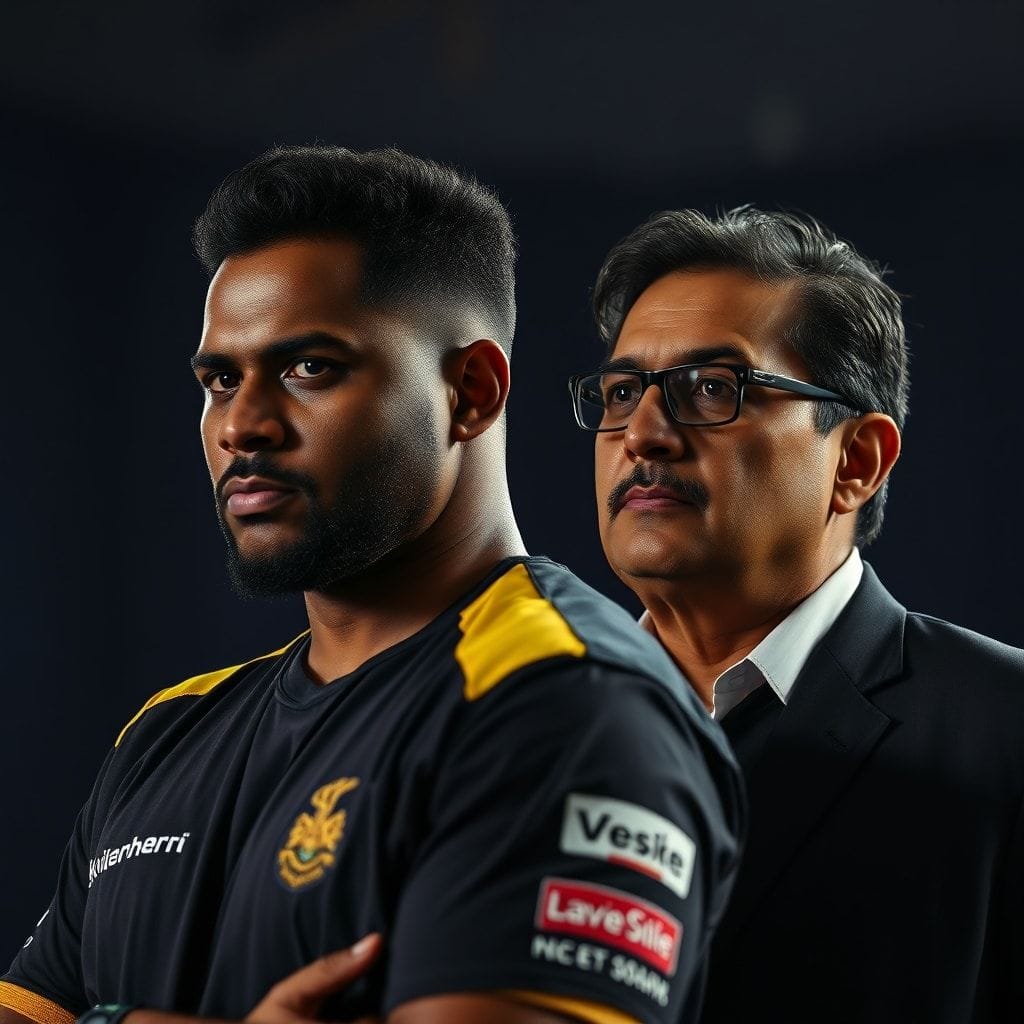
Rinku’s journey to that moment is a testament to resilience. Growing up in Aligarh, he watched his father, Khanchand Singh, deliver LPG cylinders and dream of a cricketing future for his son. The elder Singh’s mantra – duty above all – echoed through every training session and bus ride. When Khanchand succumbed to fourth‑stage liver cancer, Rinku chose to re‑join the squad, carrying his father’s unfinished dream onto the world stage.
The Stats Behind the Strategy
| Player | Runs (Tournament) | Catches/Run‑outs | Boundary Saves |
|---|---|---|---|
| Rinku Singh | 24 (5 innings) | 5 | 3 |
| Sanju Samson | 276 | 2 | 1 |
| Jasprit Bumrah | — | 0 | — |
| Axar Patel | 85 | 1 | — |
The numbers reveal why Rinku’s role mattered. While his batting tally sat modest, his five catches and three boundary interceptions directly halted New Zealand’s chase. On a venue like Ahmedabad where the outfield races quick, a mis‑field can cost 10‑15 runs. Rinku’s athleticism turned potential sixes into dot balls, keeping the pressure on the opposition bowlers.
Team selection also reflected a nuanced reading of the pitch. The squad balanced sheer power – evident in Samson’s 89 and Abhishek Sharma’s 18‑ball fifty – with defensive depth. The inclusion of a specialist fielder in the middle order allowed Yadav to keep the batting line‑up fluid, rotating strike without compromising fielding standards. This dual‑purpose strategy paid dividends when New Zealand attempted a late surge; every run saved at the deep amplified Bumrah’s 4/15 spell.
Player + Venue Linking
Rinku’s style thrives on pitches that combine bounce with a low‑to‑medium pace, like the red‑soil surfaces of Ahmedabad. The stadium’s generous boundary length rewards a player who can read the ball early and close down gaps at the rope. In contrast, his earlier outings on the slower, turning tracks of Colombo demanded a different approach – more reliance on power hitting than boundary policing.
Outside the final, the Indian side faced varied conditions throughout the tournament. In Dubai’s desert heat, the team’s spin unit, led by Axar Patel, exploited the abrasive pitch, while in the humid back‑drops of Port of Spain, the pace attack shifted focus to swing. Rinku adapted each time, either accelerating the score when the ball rose sharply on the Matara turf or holding his wicket on the flatter tracks of Singapore.
Mindset and Motivation
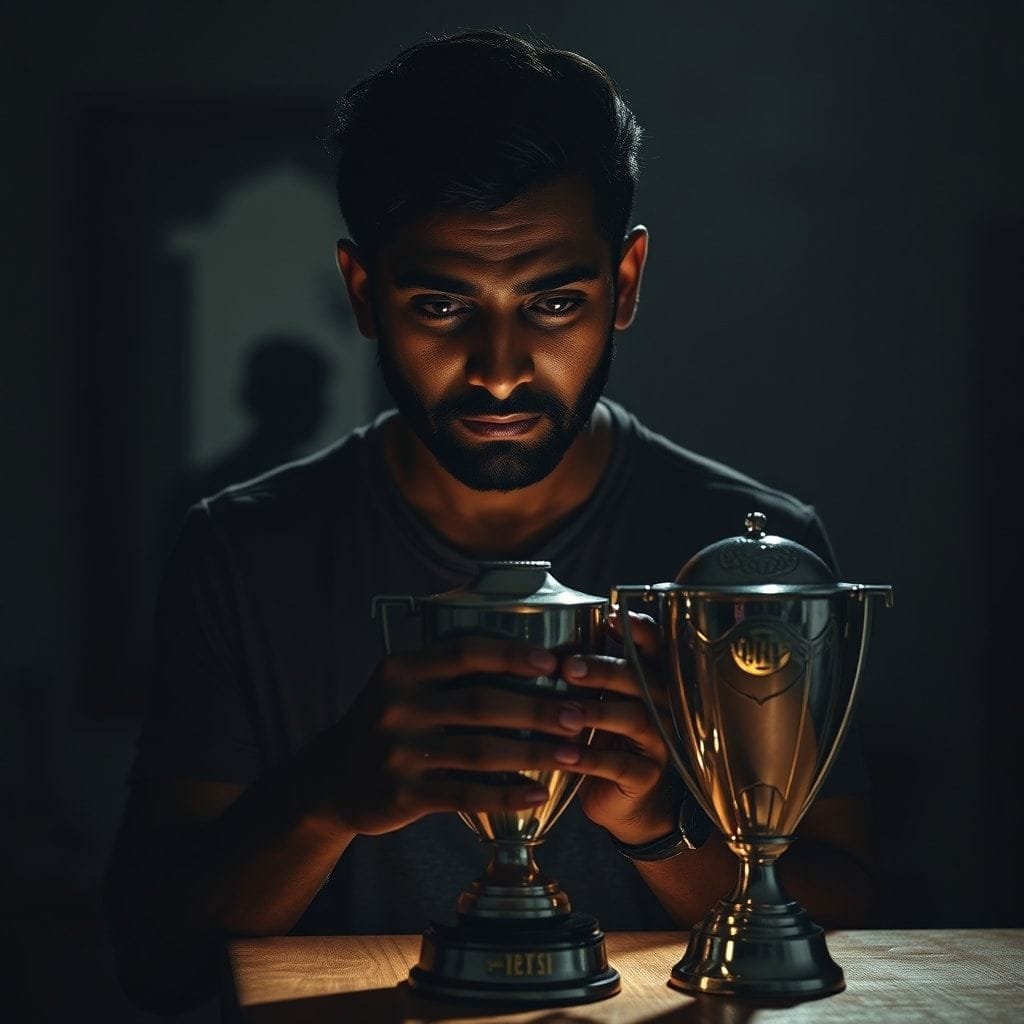
Beyond the technical aspects, Rinku’s mental state provided a quietly powerful narrative. In his post‑match Instagram tribute, he wrote about duty, grief, and the lingering sense of incompleteness without his father’s voice. That blend of personal loss and professional responsibility can fuel a player to perform beyond the ordinary. Teammates noted his calmness at the crease, a stark contrast to younger, more flamboyant players. The quiet determination he displayed reflected the values his father instilled – a reminder that cricketing excellence often rests on discipline as much as talent.
Tournament Impact and What Lies Ahead
India’s victory marked the first time a side retained the T20 World Cup and the first triumph on home soil. The win also secured a top‑seed position for the upcoming 2028 tournament, meaning India will avoid the toughest groups in the preliminary rounds. For players like Rinku, the next challenge is to convert the emotional momentum into consistent performances, especially as the team prepares for a packed schedule of bilateral series and franchise commitments.
Selectors will likely keep the flexible batting order in place, rewarding players who can swing between aggression and restraint. Rinku’s fielding prowess could see him promoted to a higher spot in the lineup, offering more opportunities to contribute with the bat. Meanwhile, the emergence of younger prospects such as the 19‑year‑old wicket‑keeper‑batsman from Delhi adds depth, ensuring competition for spots remains fierce.
Fan Perspective and Grounded Opinions
Supporters across India resonated with Rinku’s story, posting tributes that blended joy for the championship with empathy for his loss. Social media threads highlighted how personal narratives enhance the collective memory of a sporting event. While many praised the tactical brilliance of the captaincy, others voiced concerns about over‑reliance on a few star performers. The consensus, remained optimistic: India possesses the blend of experience and youthful vigor needed to dominate the next cycle.
In the streets of Aligarh, fans gathered around televisions, raising glasses to both the team and Rinku’s father, acknowledging that behind every trophy lies a network of unseen sacrifices. As the nation basks in the afterglow of victory, the real story may be how the team translates this emotional high into sustained success, both on the global stage and in the hearts of millions who see themselves reflected in Rinku’s journey.
Cricket Desk: Want more on Associate cricket strategy? Check out our Associate cricket strategy Latest News & Stats.