RCB Honors Dravid and Kumble Amidst High-Voltage IPL Clash
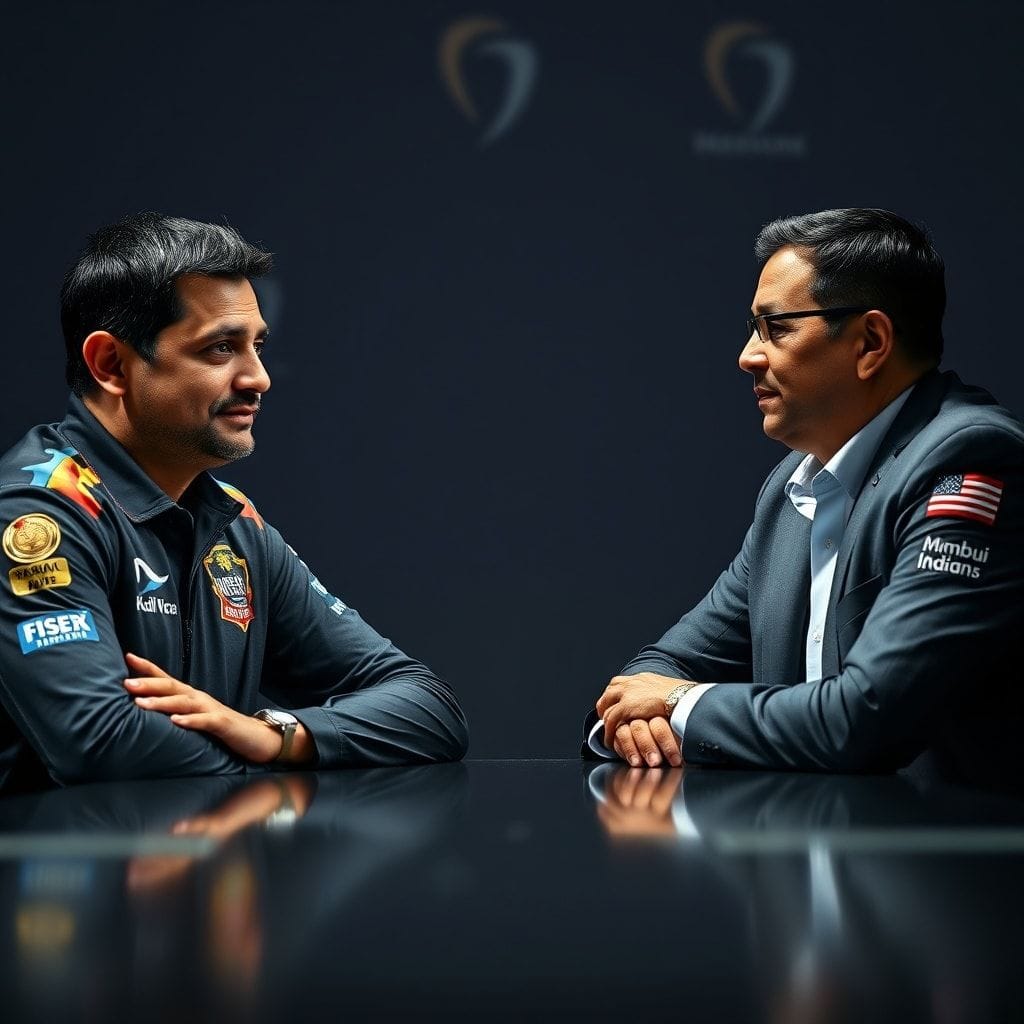
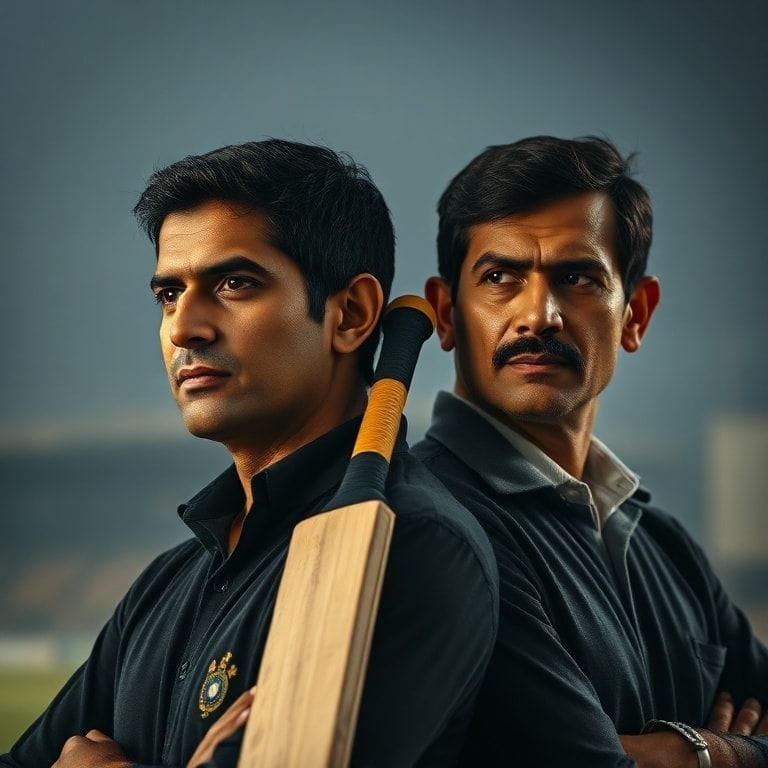
The Karnataka State Cricket Association turned a regular IPL showdown into a milestone moment by christening the two ends of M. Chinnaswamy Stadium after Rahul Dravid and Anil Kumble. The gesture mattered because it cemented the homegrown legends into the very fabric of a ground that birthed them, while the match itself delivered fireworks that will be talked about for weeks.
Royal Challengers Bengaluru (RCB) hosted Chennai Super Kings (CSK) in the 11th encounter of IPL 2026, a classic South Indian derby that carried extra emotional weight. Before the first ball, KSCA officials unveiled the newly named Rahul Dravid End (formerly BEML End) and Anil Kumble End (formerly Pavilion End) in a ceremony attended by the families of both icons. The scene set the tone for a night where nostalgia met high‑octane cricket.
The Stats Behind the Strategy
| Player | Runs | SR | Wickets | Economy |
|---|---|---|---|---|
| Tim David (RCB) | 70* | 280 | – | – |
| Rajat Patidar (RCB) | 48* | 253 | – | – |
| Sarfaraz Khan (CSK) | 50 | 133 | – | – |
| Prashant Veer (CSK) | 43 | 140 | – | – |
| Bhuvneshwar Kumar (RCB) | – | – | 3 | 8.20 |
RCB’s 250/3 remains the highest total of the season so far, driven by a blistering 70 off 25 balls from David, who smashed a 106‑metre six that cleared the roof. Patidar’s 48 off 19 complemented the on‑fire momentum, pushing the run rate beyond 10.5 throughout the innings. For CSK, the chase faltered at 207 all out, despite a fighting half‑century from Sarfaraz Khan.
On the bowling front, Bhuvneshwar Kumar becoming the first bowler to reach 200 IPL wickets on the newly christened Kumble End added a poetic twist. His 3 for 41 kept the run‑flow in check during the crucial middle overs.
Tactical Shifts and Team Decisions
RCB’s decision to open with Phil Salt and Devdutt Padikkal was a classic blend of stability and aggression. Salt’s 46 set the platform, allowing Padikkal to tap into the batting‑friendly bounce of the Chinnaswamy strip. The real tactical masterstroke came when the captain, Rajat Patidar, promoted the explosive Tim David up the order after the 10th over. The move exploited the pitch’s slightly shortened grass on the Rahul Dravid End, where the ball tends to sit up for full‑tosses, perfect for David’s slashing style.
CSK, on the other hand, stuck with a conventional powerplay: Ruturaj Gaikwad, Moeen Ali, and Devon Conway. The plan was to target the swing-friendly Kumble End, hoping early seam movement would unsettle RCB’s top order. The early overs, yielded just 27 runs, indicating the pitch offered less lateral movement than anticipated. By the time CSK turned to the middle overs, the round‑the‑world field placements around the Dravid End made it difficult to rotate the strike, forcing them into risky lofted shots.
Player Mindsets and Venue Nuances
Tim David entered the arena with the mindset of a fireworks‑display specialist. Knowing the Dravid End’s reputation for a true bounce, he timed his lofted shots to capitalize on the stadium’s high ceiling, turning potential sixes into six‑plus‑roof flicks. Patidar, a local boy who grew up watching Dravid’s textbook drives, used the same end to anchor his attack, playing late and guiding the ball into the gaps that the shortened grass created.
Anil Kumble’s namesake end is historically known for offering a bit of extra seam and a subtle turn after the 15th over. Bhuvneshwar leveraged this by bowling a tight, swing‑first spell, extracting movement that helped him reach his 200‑wicket landmark. The venue’s “grip” on the ball, especially during the night session under lights, often favors bowlers who can keep a steady line – a fact Kumble himself has spoken about in past interviews.
Impact on the IPL 2026 Narrative
RCB’s emphatic win not only widened the points gap over CSK but also sent a message to the rest of the league: the team can dominate on a pitch that favors both power hitting and disciplined seam bowling. The celebration of Dravid and Kumble at this juncture may also serve as a morale booster for the Karnataka side, reminding them of the legacy they’re expected to uphold.
For CSK, the loss is a reality check. They’ll need to revisit their middle‑over strategy, perhaps introducing a spinner earlier to exploit any turn that the Kumble End might still offer later in the innings. The match also highlighted the importance of adaptable batting orders in a league where pitch conditions can swing dramatically from one end to another.
Fan Perspective and Grounded Opinions
The Bangalore crowd erupted not only for the sixes but also for the emotional tribute. Social media lit up with fans sharing videos of the roof‑clearing six and posting nostalgic photos of Dravid and Kumble in their prime. Many expressed that naming the ends after homegrown heroes adds a layer of pride that transcends the usual commercial buzz of the IPL.
On the flip side, some CSK supporters voiced frustration at the early dismissal of their top order. The consensus among neutral observers is that while the match was a showcase of RCB’s firepower, the real story is how the stadium’s identity is now intertwined with two of India’s most respected cricketers, creating a lasting narrative for future editions of the league.
Looking ahead, the next few fixtures for both sides will be telling. RCB will aim to maintain their momentum and possibly use the Dravid End as a batting haven, while CSK will look to recalibrate and perhaps take advantage of the Kumble End’s subtle seam assistance in upcoming away games. The renamed ends have already started influencing tactics, and that cultural imprint is likely to deepen as the season progresses.
Cricket Desk: Want more on Anil Kumble? Check out our Anil Kumble Latest News & Stats.