RCB Ownership Saga: Power Shifts Off the Field
Royal Challengers Bengaluru have just turned from a cricketing success story into a financial headline. The $1.8 billion price tag and a flood of global bidders mean the team’s future is being weighed as heavily as any on‑field decision.
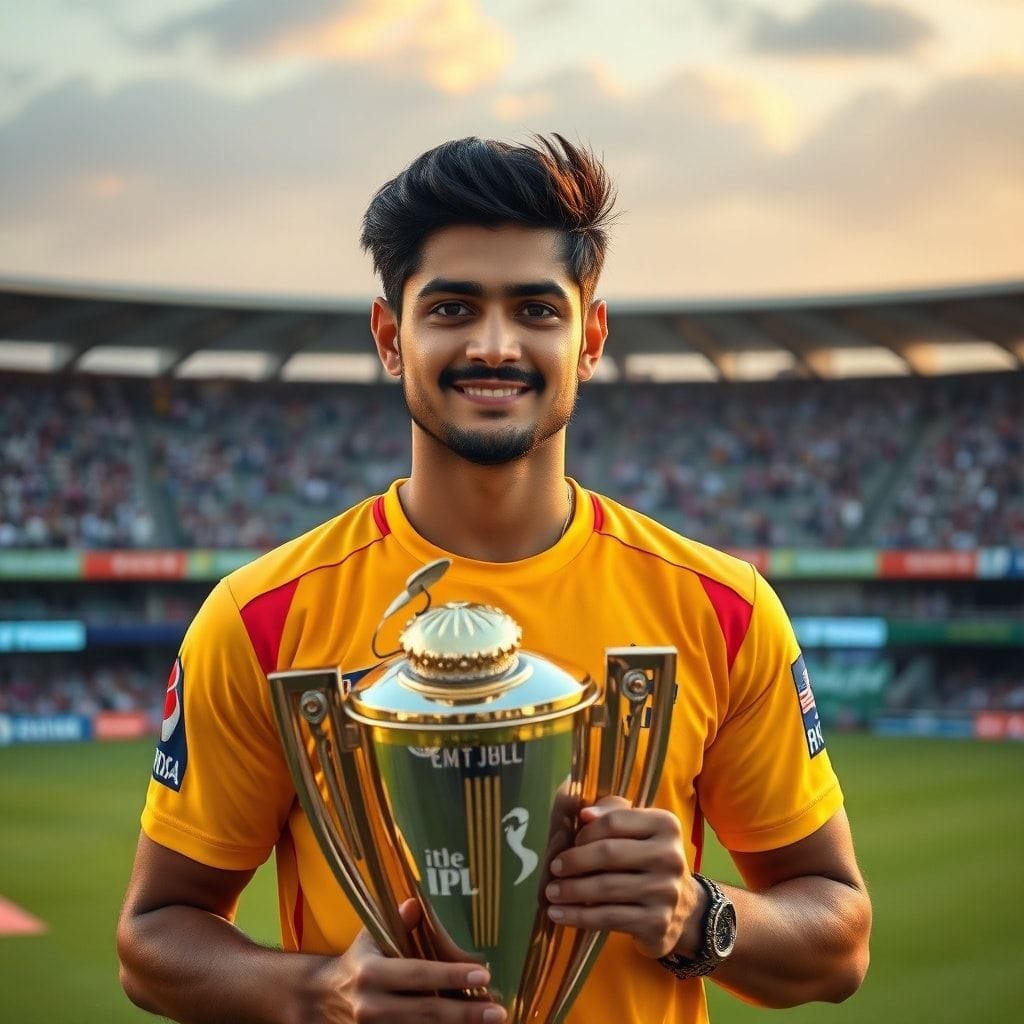
The chatter around the ownership race started after RCB lifted the trophy in 2025 and quickly morphed into a full‑blown bidding war. With a March 31 deadline looming, the franchise is sitting at the crossroads of sport, business and national pride.
The Stats Behind the Strategy
| Metric | 2025‑26 Value | Comparison |
|---|---|---|
| Franchise valuation | $1.8 billion | ~25% rise from 2024 valuation |
| Team revenue (2025) | $150 million | Second highest in IPL after Mumbai Indians |
| Brand endorsement value (Virat Kohli) | $55 million per year | Top among all Indian cricketers |
| Stadium attendance (2025 season) | 31,000 average | ~3,000 above league average |
The numbers paint a picture of a franchise that has become a cash‑generating engine. That revenue stream is what makes the bid from US billionaire David Blitzer and Manchester United co‑owner Avram Glazer so tempting – they see a portal into a market that is still expanding.
What the Bids Mean for RCB’s On‑Field Blueprint
Ownership changes rarely stay in the boardroom. A new capital injection can influence everything from player contracts to coaching staff. The current RCB core – Virat Kohli, Faf du Plessis and the younger Indian trio of Rajat Patel, Yashasvi Jaiswal and Rachin Ray – has a balance of experience and explosiveness that fits the Chinnaswamy pitch perfectly.
Chinnaswamy’s dry, hard surface rewards side‑on swing early on and a flat, true bounce later. Teams that slot power‑hitters at No 4 and No 5 thrive there, because the ball comes onto the bat with minimal fuss. If a new owner decides to bring in an overseas marquee, they’ll likely look for a forward‑looking player who can turn the chase into a sprint – someone comfortable with the rapid run‑rate that RCB likes to set.
Coaching decisions could also shift. The current staff, led by head coach Sanjay Bangar, focuses on aggressive batting and a flexible bowling attack that relies on R Ashwin’s spin on the fourth day and a mix of quicks that exploit the seam on day one. A US‑based investor might push for a data‑heavy approach, borrowing analytics models from their NBA and NHL operations. Expect to see more granular zone‑targeting for bowlers and a deeper use of machine‑learning to predict opposition batting patterns.
Player Mindset in a Time of Transition
The players know their contracts are tied to the franchise’s market value. For Kohli, a name that has become synonymous with RCB, the idea of a foreign billionaire taking over adds a layer of responsibility. He’s already positioning himself as a brand ambassador for the new owners, and that could translate into a leadership style that blends his on‑field aggression with a more diplomatic off‑field presence.
Younger Indian talents like Jaiswal and Ray view the bidding war as a chance to showcase their adaptability. Their game is built around hitting on the shorter boundaries that Chinnaswamy offers, but they also know a new board might favor different skill sets. If the owners bring in a world‑class death bowler, the middle order could see less pressure in the final overs, freeing the younger batsmen to play with more freedom.
Tournament Implications and What Comes Next
The 2026 IPL schedule begins with a week of matches in Dubai, before shifting back to Indian venues. A change in ownership before the season starts could affect how the team prepares for the early overseas conditions. Coaching staff will likely incorporate more spin‑friendly drills to adapt to Dubai’s slower tracks, while still keeping the power‑play aggression for the Indian leg.
From a league perspective, the sale price sets a new benchmark. Other franchises will watch closely to see if the new owners can recoup the investment through deeper commercial tie‑ins, merchandise sales, and perhaps a stronger presence in the US market. If the bid from Blitzer succeeds, we might see RCB games broadcast in more American cities, tying in with his other sports properties.
Fans, Feelings and the Marketplace
For the Bangalore crowd, the ownership saga feels personal. The city’s fans have poured their love into the stadium, turning Chinnaswamy into a fortress of colour and noise. A foreign bidder could bring fresh capital, but many supporters worry about losing the “Bengaluru spirit” that’s been cultivated over two decades.
Local industrialists like Adar Poonawalla argue that an Indian owner keeps the franchise rooted in its cultural context. They speak of future community programmes, school cricket academies and a sense of continuity that resonates beyond the balance sheet.
Yet there is also excitement. The idea of a global sports empire reaching into the heart of Indian cricket adds a layer of prestige. Fans are already debating on social media which side they’d back, and that conversation itself fuels viewership, merchandise clicks and ticket sales.
In the end, the team will step onto the field with the same players, the same fans, and the same ambition to defend the 2025 crown. Ownership may change, but the on‑field strategy – aggressive batting at the top, calculated spin in the middle, and a death‑over plan that exploits Chinnaswamy’s flat bounce – remains the foundation.
Whether the new owner is a US billionaire, a Manchester United co‑chairman, or an Indian industrialist, the next chapter for RCB will be watched not just in Bangalore but across every cricket‑loving corner of the globe.
Cricket Desk: Want more on Chinnaswamy Stadium? Check out our Chinnaswamy Stadium Latest News & Stats.