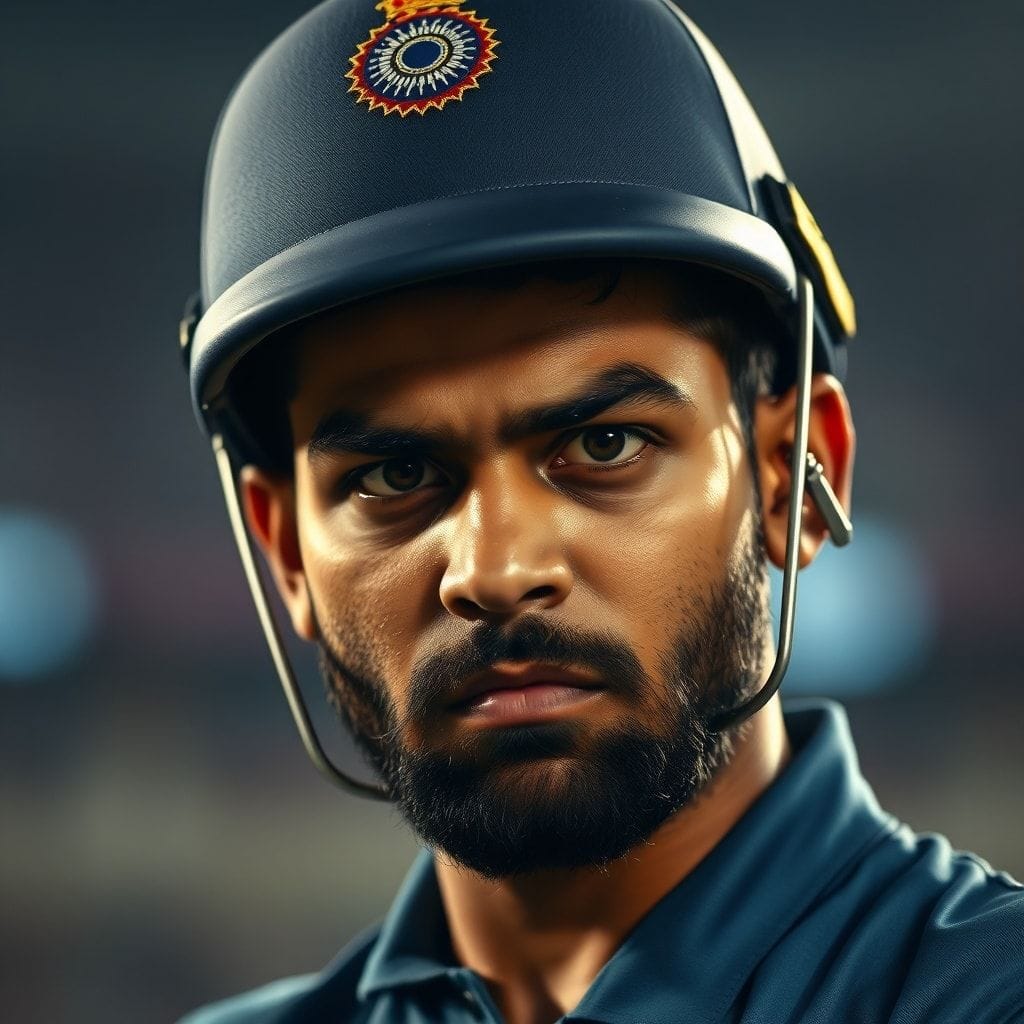
Rashid Khan and the Crossroads of Afghan Cricket
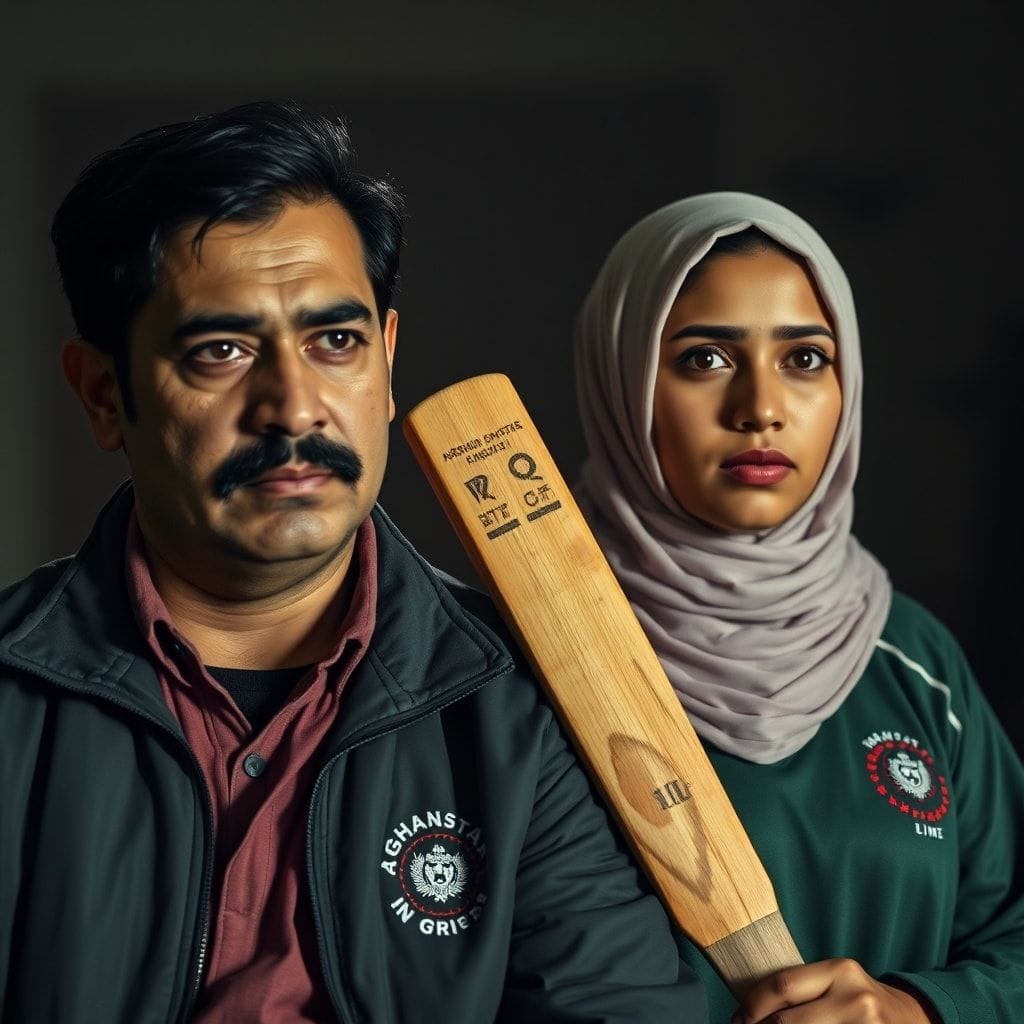
Rashid Khan, Afghanistan’s most recognizable cricketing star, has spoken openly about the future of women’s cricket in his homeland just before the men’s T20 World Cup 2026 opener against New Zealand in Chennai. His words matter because they echo the hopes of a displaced generation of Afghan women players while highlighting the limits of a single player’s influence in a volatile political climate.
Why the Talk Matters
Afghanistan’s rise in men’s T20 cricket has been rapid, but the women’s game remains stuck in limbo. The Taliban’s return forced many female cricketers into exile, and the International Cricket Council (ICC) has made a women’s programme a prerequisite for full membership. Rashid’s comments therefore sit at the crossroads of sport, diplomacy, and human rights, shaping how fans and officials view Afghanistan’s next steps on the world stage.
The Tactical Canvas in Chennai
Chennai’s MA Chidambaram Stadium, with its slow, spin-friendly surface, is a perfect playground for Rashid’s leg-spin arsenal. The pitch traditionally offers turn after the 10th over, demanding disciplined line and length from the opposition. New Zealand, a side that relies on aggressive power-hitting in the death overs, will need to curb Rashid’s variations early and set a solid platform with their top order.
Afghanistan’s game plan revolves around two pillars: Rashid’s early breakthroughs and a middle-order built around hard-hitting yet adaptable batsmen like Najibullah Zadran and Rahmanullah Gurbaz. The bowlers will open with a mix of medium-pace swing from Naveen-ul-Haq and low-trajectory cutters from Fazalhaq Farooqi, aiming to keep New Zealand’s openers under pressure before handing the ball to Rashid.
From a batting standpoint, Afghanistan will likely open with the experienced Hazratullah Zazai, who can exploit the initial lack of spin. The middle order will be tasked with rotating the strike while keeping a high run-rate, especially if they lose early wickets. The finishers—most notably Mohammad Nabi, who has reinvented his game as a power-hitter—will need to clear the boundary in the final overs, a scenario that has become a hallmark of Afghan T20 success.
The Stats Behind the Strategy
| Player | Career T20 Econ (runs/over) | Against Spin-Friendly Pitches | Runs Scored vs Spin Pitches |
|---|---|---|---|
| Rashid Khan | 6.5 | 5.8 (average 1.2 wickets per match) | — |
| Hazratullah Zazai | — | — | 28.4 (SR 145) on spin-friendly tracks |
| Mohammad Nabi | 7.2 | 8.1 (higher boundary count) | 31.7 (SR 132) on slow turns |
These numbers show why Rashid is the decisive factor on a Chennai surface. His economy drops by almost a run per over when the pitch offers turn, and his strike-rate spikes, indicating a higher wicket-taking potential. On the batting side, Zazai’s high strike-rate against spin-friendly tracks gives Afghanistan a chance to set a competitive total even if early wickets fall.
Player Mindset and the Women’s Narrative
Rashid’s interview revealed a dual mindset: on the field he is laser-focused on exploiting every turning delivery, while off the field he carries the weight of a symbolic role for women’s cricket. He emphasized that his influence ends at the locker room door, reminding younger players that the fight for women’s inclusion is primarily an administrative battle.
For the exiled Afghan women cricketers, Rashid’s public support serves as a morale booster. Players like Firooza Amiri have used social media to call for solidarity, and Rashid’s acknowledgement brings their cause back into the mainstream cricket conversation. It also forces the Afghanistan Cricket Board (ACB) to confront the ICC’s membership criteria, where an active women’s program is no longer negotiable.
Impact on the Tournament and What Comes Next
Afghanistan’s performance against New Zealand will set the tone for their group stage. A strong showing could galvanise calls from the ICC to accelerate the development of a women’s side, especially if the media narrative ties on-field success to off-field responsibility.
Should Afghanistan fall short, the discussion may shift to whether the lack of a women’s programme undermines their full-member status. The ACB will likely face increased pressure from both the ICC and international sponsors to present a clear road map for women’s cricket, possibly involving training hubs in neighboring countries or partnerships with the Afghan diaspora.
Fan Perspective: Voices from the Stands and Online
Afghan fans gathered around small TV sets in Kabul, Jalalabad, and even refugee camps are watching the match with mixed emotions. Some celebrate the rise of Rashid and the men’s team, chanting “Afghanistan, Afghanistan!” Others, particularly younger women, voice frustration that the national colors still fly without a women’s flag to accompany them.
On cricket forums, the debate is lively. A recurring theme is the belief that male stars, especially those with global exposure like Rashid, should leverage their fame to champion the women’s cause. Yet many users echo Rashid’s realism, noting that players are bound by contracts and political realities that limit direct advocacy.
International observers are also weighing in. Several journalists argue that Afghanistan’s cricketing future is inseparable from the broader human-rights dialogue, and they will keep a close eye on how the ACB responds after the group stage.
Conclusion: A Game Beyond the Boundary
Rashid Khan’s candid remarks have placed the women’s cricket issue firmly on the agenda as Afghanistan steps onto the world’s biggest T20 stage. The match in Chennai will test not only their spin tactics but also the nation’s ability to reconcile sporting ambition with social responsibility. For fans, players, and administrators alike, the next few weeks could decide whether Afghan cricket moves forward as a truly inclusive sport or remains caught in a geopolitical tug-of-war.
Cricket Desk: Want more on New Zealand vs Afghanistan? Check out our New Zealand vs Afghanistan Latest News & Stats.