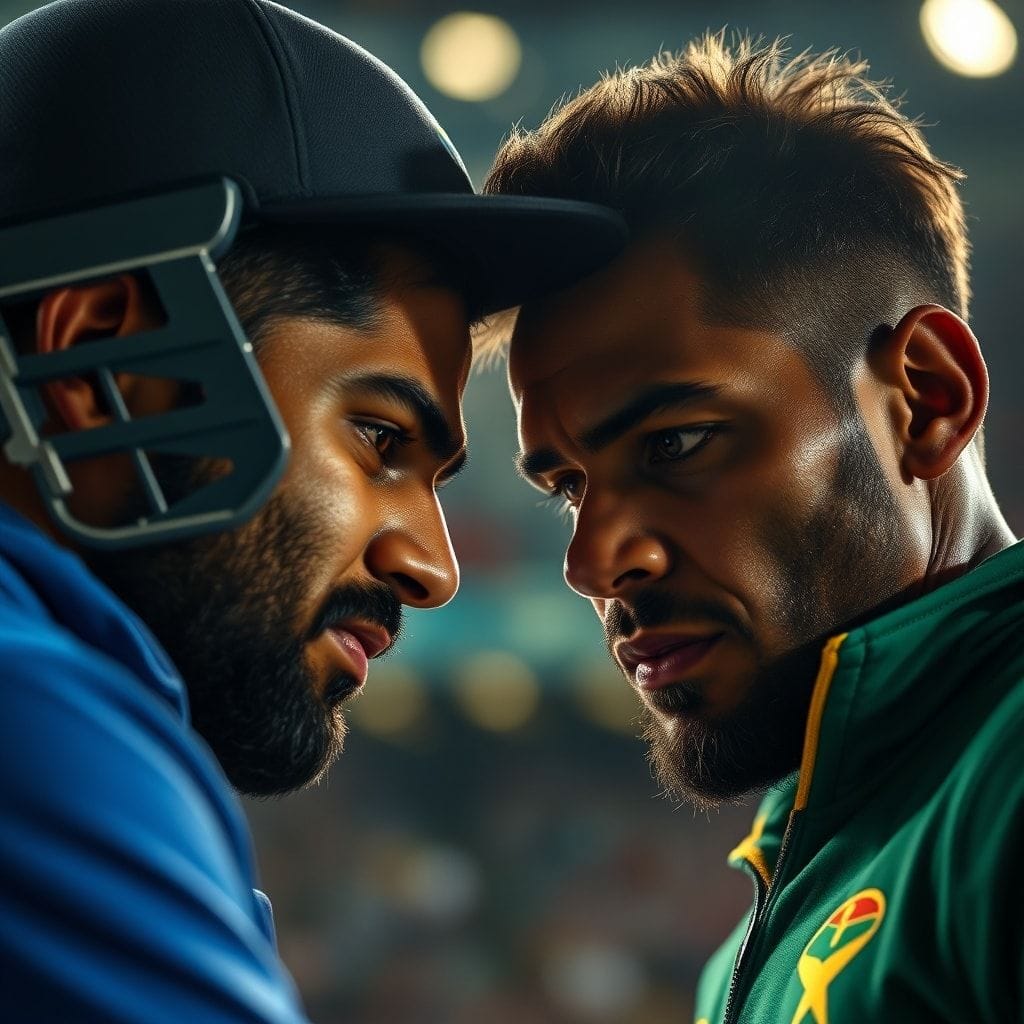
PCB Slaps Heavy Fines on Squad After Early T20 World Cup 2026 Exit
The Pakistan Cricket Board has imposed a five-million-rupee fine on each member of the national squad following their failure to advance past the group stage of the 2026 T20 World Cup. This bold step reflects the board’s commitment to accountability and has sparked widespread debate among fans and analysts alike.
Match Context and Pakistani Exit
Pakistan entered the tournament with a blend of experience and youth. Their group-stage journey included a narrow loss to India, a rain-affected game against New Zealand, and a crushing defeat to England. These results left them dependent on net run rate heading into their final match against Sri Lanka at Pallekele. Chasing 147, Pakistan needed a convincing win to progress. Although they won by five runs, Sri Lanka’s superior run rate secured their place in the Super Eight, ending Pakistan’s campaign prematurely.
The Stats Behind the Strategy
| Metric | Pakistan | Required for Progression |
|---|---|---|
| Total Runs Scored (Group) | 302 | ~350+ |
| Net Run Rate | -0.12 | +0.15 or higher |
| Highest Individual Score | Farhan 118* | Consistent 40+ scores |
| Wickets Lost While Batting | 9 in 5 matches | Ideally 6–7 |
| Average Bowling Economy | 8.3 | Under 7.0 |
These figures highlight key weaknesses. Despite Farhan’s brilliance, the rest of the lineup struggled to convert starts into big scores. The bowling attack, particularly in the death overs, leaked too many runs, undermining Pakistan’s chances even in victories.
Tactical Decisions and Player Roles
Coach Aftab Ahmed opted for a traditional top-order setup, trusting Farhan and his left-handed partner to handle early swing conditions. That strategy worked briefly but collapsed when early wickets fell. Captain Salman Ali Agha attempted to stabilize the innings but was dismissed during critical moments, derailing momentum. Spinners Saifullah and Danish were underused despite favorable pitch conditions at Pallekele. With turn available later in the innings, Pakistan missed opportunities to strangle scoring rates. Fast bowlers received short spells with the new ball, which helped against India but proved ineffective against England’s aggressive batting lineup.
Impact on Tournament and What Lies Ahead
Pakistan’s early exit alters the competitive landscape. Teams like England and the West Indies now have smoother paths to the semifinals. Meanwhile, Sri Lanka’s win revitalizes their campaign. For Pakistan, the financial penalty marks a turning point — signaling that mediocrity will no longer be tolerated. Expect changes in player contracts soon. Performance-based incentives are being considered alongside possible roster updates. The upcoming Asia Cup and domestic T20 leagues offer crucial benchmarks for assessing these reforms.
Fan Pulse and Opinions
Fans across major cities expressed frustration online, especially after seeing personal brilliance go unrewarded. Some argue the fine targets players unfairly, while others believe it reinforces discipline and urgency. Younger supporters tend to back the board’s stance, viewing it as part of modernizing Pakistan cricket. Older generations miss the era of internal reviews over public penalties. Regardless of age, most agree that clearer communication from leadership would help rebuild trust.
Player Mindset Moving Forward
Sahibzada Farhan, despite setting records, emphasized team goals over individual achievements. His comments suggest a renewed focus on collective success moving forward. Captain Agha acknowledged tactical missteps and hinted at rotating roles to improve flexibility. Behind closed doors, players are turning the fine into motivation. Discussions center around sharpening skills, especially under pressure. Coaches are revisiting strategies to enhance field placements and smarter bowling rotations for future assignments.
Cricket Desk: Want more on India vs Pakistan cricket? Check out our India vs Pakistan cricket Latest News & Stats.