The Tactical Tussle Behind Pakistan’s T20WC Defeat
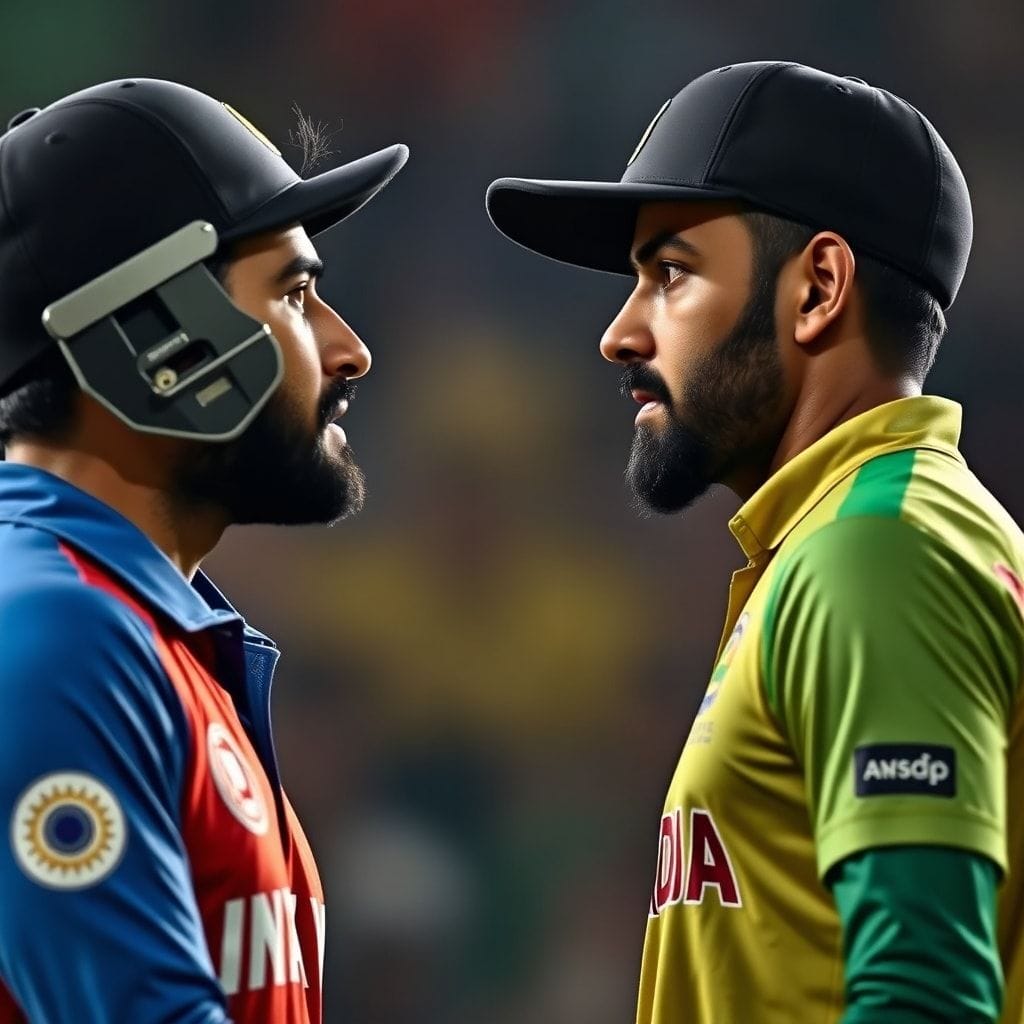
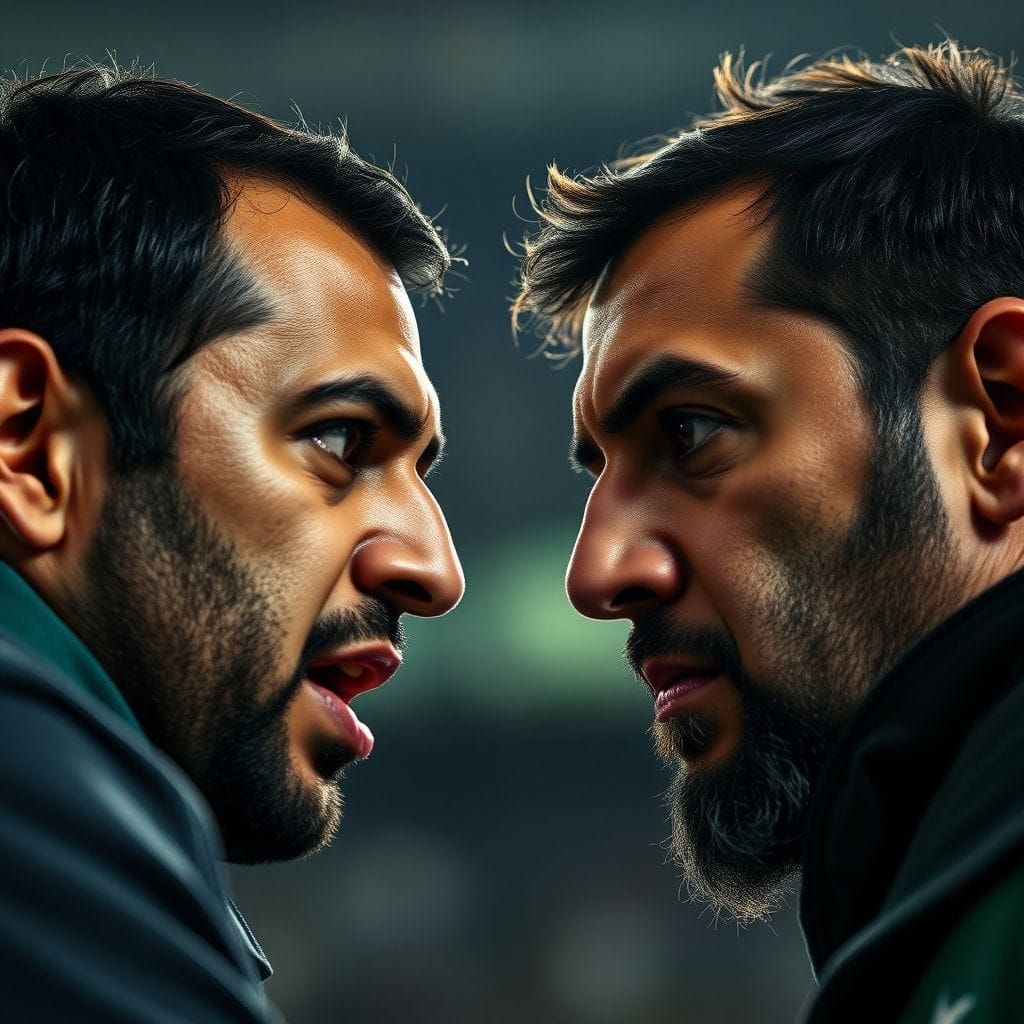
The Super Eight clash at Pallekele International Cricket Stadium on February 24, 2026 ended in a narrow two‑wicket defeat for Pakistan, sending England to the semifinals and igniting a heated debate inside the Pakistani camp. A televised argument between former skipper Mohammad Hafeez and spin guru Saqlain Mushtaq revealed deep divisions over the role of all‑rounders and the tactical direction of a side teetering on the brink of elimination.
Match Context and Immediate Fallout
England posted 175/6, bolstered by Harry Brook’s immaculate 109 off 51 balls. Pakistan’s chase faltered at 170/8, with Shadab Khan’s 23‑run cameo insufficient to offset a bowlers’ unit that failed to break the Brook partnership. The loss placed Pakistan in a ‘must‑win’ situation against Sri Lanka, while the English side relaxed into a semifinal berth.
Tactical Analysis and Team Decisions
Pakistan entered the match with a lineup that leaned heavily on two bowling all‑rounders – Mohammad Nawaz and Shadab Khan – and a pace attack that had sputtered after the early‑season surge. The decision to open with Shaheen Afridi and then rely on Shadab for middle‑over control proved costly, as England’s top order navigated the spin without trouble. In hindsight, a longer spell for experienced pacer Haris Rauf could have applied the pressure needed to disrupt Brook’s flow.
Saqlain Mushtaq, now a commentator, defended the selection, citing the dual‑skill nature of both Nawaz and Shadab. Hafeez, ever the blunt ‘Professor’, countered that a player who cannot deliver in his primary discipline should not occupy a precious overseas slot. The argument hinges on a simple principle: in high‑pressure knockout cricket, clarity of role beats versatility that does not translate into impact.
player roles and Mindset
Shadab Khan entered the tournament as Pakistan’s premier leg‑spinner and a handy lower‑order bat. His recent form, has shown a steep decline in wicket‑taking, especially against top‑tier opposition. In the Namibia win he bowled a tidy spell, but against India and England he produced dot‑ball only, with an economy hovering above 9.00. The mental strain of being expected to lead the attack while also contributing quick runs is evident in his tentative line and length.
Mohammad Nawaz, traditionally a left‑arm orthodox bowler, has been used primarily as a death overs specialist. When Pakistan needed breakthroughs early, Nawaz was kept back, a decision that back‑fired as England built a solid foundation. Hafeez’s point that Nawaz’s “primary job is bowling” rings true – if the bowler cannot threaten, the batting depth does not compensate.
For Hafeez himself, the argument was personal. He recalled his own days where batting failures meant the 5‑over spell was scrapped. The underlying message to the current squad is simple: performance must dictate participation, not reputation.
The Stats Behind the Strategy
| Player | Matches | Wickets | Economy | Batting Avg |
|---|---|---|---|---|
| Shadab Khan (T20 WC) | 5 | 2 | 9.12 | 11.50 |
| Mohammad Nawaz (T20 WC) | 5 | 4 | 8.45 | 9.80 |
| Harry Brook (ENG) | 5 | — | 6.22 | 68.00 |
At Pallekele, the spin‑friendly surface offered moderate turn but also a bit of bounce, favoring disciplined leg‑spinners. Shadab’s 0/49 off 4 overs reflects a mismatch between skill set and conditions. In contrast, Nawaz’s 1/34 from 4 overs shows he can extract movement, yet the captain’s reluctance to unleash him earlier limited his impact.
Venue‑Specific Insights
Pallekele’s pitch is known for a dry, red‑soil composition that aids spin after the 10‑over mark while retaining a bit of pace early on. Players like Fakhar Zaman have historically thrived here because the ball comes onto the bat nicely once the pitch settles. For Pakistan, the decision to field two spin‑heavy all‑rounders without a genuine frontline pacer in the first half reduced their ability to exploit the early bounce.
Impact on the Tournament and What Lies Ahead
England’s win secured a place in the semis; Pakistan now faces a winner‑takes‑all showdown against Sri Lanka. The internal debate spotlighted by Hafeez and Mushtaq could either galvanize the squad into clearer role definitions or deepen the rift, affecting on‑field confidence. If the management embraces Hafeez’s call for role clarity, we might see Shadab shifted down the order or omitted, while a specialist spinner such as Yasir Shah could be introduced. Conversely, retaining the current blend suggests a gamble on all‑rounder depth, hoping a late‑order surge can compensate for bowling deficiencies.
For England, Brook’s century has elevated their batting depth, and the bowlers have learned to contain the middle overs. Their momentum places them as favorites heading into the final stages.
Fan Perspective and Grounded Opinions
The Pakistani fanbase is split. Traditionalists back the seasoned spin duo, remembering Shadab’s 2015 heroics. Younger supporters, fed by social media clips of the Hafeez‑Saqlain clash, demand accountability and a more aggressive pace attack. The viral video of the exchange has become a meme, symbolising the frustration of a nation that feels its cricketing identity is at odds with modern T20 demands.
On the ground, stadium-goers described the atmosphere as tense, with chants turning into murmurs after the final wicket fell. In the commentary box, veteran analysts echoed Hafeez’s sentiment: “When you have specialists, you need them to perform. Otherwise, the team loses balance.” Yet others warned that singling out individuals could undermine team morale at a crucial juncture.
Ultimately, the next match will decide whether Pakistan can rally around a revised game plan or crumble under the weight of internal debate. The cricketing world will be watching closely, not just for the outcome, but for the lesson on how all‑rounder selection shapes T20 strategies in high‑stakes environments.
Cricket Desk: Want more on ICC Men's T20 World Cup? Check out our ICC Men's T20 World Cup Latest News & Stats.