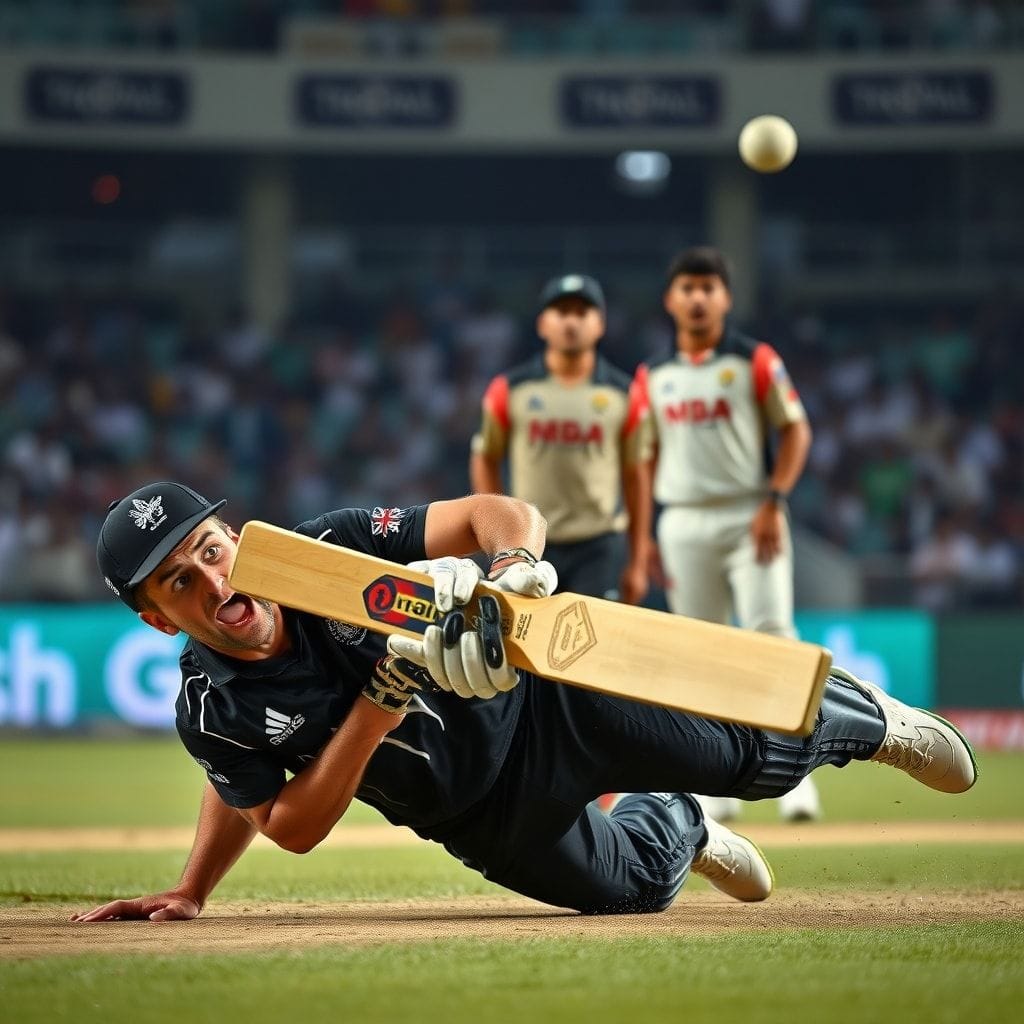
Pakistan’s Narrow Path to the Super 8s after the Colombo Rout
Pakistan’s loss to India at the R. Premadasa Stadium has turned a routine group match into a make‑or‑break scenario for the Asian side. The 61‑run defeat not only handed India a spot in the Super 8s but also left Pakistan clinging to a slim chance of progression, making every upcoming run count.
The Stats Behind the Strategy
| Team | Points | NRR | Runs Scored | Runs Conceded |
|---|---|---|---|---|
| India | 6 | +3.050 | 533 | 258 |
| USA | 4 | +0.787 | 414 | 402 |
| Pakistan | 4 | -0.403 | 408 | 475 |
The numbers show why the Net Run Rate is now the biggest hurdle for Pakistan. A swing of just 0.2 in NRR could tip the balance in favor of the United States if Pakistan can’t post a commanding total against Namibia.
India’s 77‑run blitz from Ishan Kishan set the tone early. The middle‑order partnership with Suryakumar Yadav lifted the total to 175, a score that proved too steep for Pakistan’s chase. Their top order crumbled under pressure, losing three wickets in the powerplay and never recovering momentum.
Tactical Choices that Shaped the Game
Choosing to bowl first at Colombo’s spin‑friendly surface was a gamble that paid off. The slow, low‑bouncing red soil favours wrist spinners, and India’s use of Rahul Chahar in the middle overs squeezed the run‑rate effectively. Pakistan’s decision to open with the pace duo of Mohammad Wasim and Shaheen Afridi seemed logical, yet the combination of a damp outfield and Sri Lankan humidity limited seam movement.
When the loss of early wickets forced Pakistan into a rebuild, they sent in veteran Mohammad Rizwan at number three. Rizwan’s aggressive intent, conflicted with the pitch’s tendency to hold the ball low, resulting in a series of mistimed lofted shots.
Player Mindsets and Role Adaptations
Ishan Kishan’s textbook innings highlighted a clear game plan: dominate early, take the strike to the boundary, and let the bowlers work from a comfortable platform. His mindset was simple—attack, attack, attack—and he executed it with a 96.2 strike rate.
For Pakistan, the pressure was palpable. Shaheen Afridi, usually a wicket‑taking spearhead, found himself containing rather than striking. The shift in role—defending runs instead of hunting wickets—tested his confidence. Meanwhile, the spin duo of Shadab Khan and Nabi Gul required a different approach; their flight and drift were less effective on the slower track, forcing them to rely on variations in pace rather than turn.
What the Numbers Mean for the Next Fixture
Namibia’s upcoming game against Pakistan will be a classic showdown of “run‑rate versus run‑chase.” Namibia has already registered a win against the United States, meaning they sit on four points with a healthy NRR of +0.220. If Pakistan can chase down an early target set by Namibia, they will finish with six points, automatically overtaking the USA regardless of NRR.
Should Pakistan lose, the USA will move ahead on NRR alone. That scenario forces the Pakistani side into a must‑win, all‑or‑nothing mindset where a single batting collapse could end their tournament hopes.
Fans’ Pulse and Grounded Opinions
Pakistani supporters have been vocal on social platforms, expressing frustration at the early loss but also a belief that the team’s bowlers still possess the firepower to defend modest totals. Many point to the collective experience of bowlers like Faheem Ashraf and the spin dexterity of Shadab Khan as assets for a low‑scoring chase.
Indian fans, on the other hand, celebrate the dominance and see this victory as a statement of intent for the knockout stage. Their optimism is rooted in the depth of the batting line‑up and the versatility of the bowling unit, both of which have adapted to various conditions throughout the tournament.
Neutral observers highlight the tournament’s structure, noting that the emphasis on Net Run Rate can feel punitive for teams that win matches but do not do so by large margins. They argue that a revised points system could reduce the pressure of a single heavy defeat turning a campaign upside down.
Looking Ahead: The Road to the Super 8s
If Pakistan triumphs over Namibia, they will enter the Super 8s with six points, albeit a negative NRR. The next challenge will be a group featuring India, Australia, and England—teams that have already demonstrated the ability to post 180‑plus totals on diverse pitches.
Recovering from the Colombo loss will require a clear game plan: bowl tight lines in the opening overs, keep the opposition under 150, and then let the lower order finish the chase. The mental reset after a heavy defeat is as important as the tactical adjustments.
For now, the cricketing world watches as Pakistan stands at a crossroads, their destiny hanging on a single 20‑over performance in Colombo. The outcome will shape not only their own tournament narrative but also the broader discussion on how tournament formats reward consistency versus brilliance.
Cricket Desk: Want more on Associate cricket strategy? Check out our Associate cricket strategy Latest News & Stats.