Pakistan Name 6 Uncapped Players in ODI Squad for Bangladesh Tour, No Place for Babar Azam
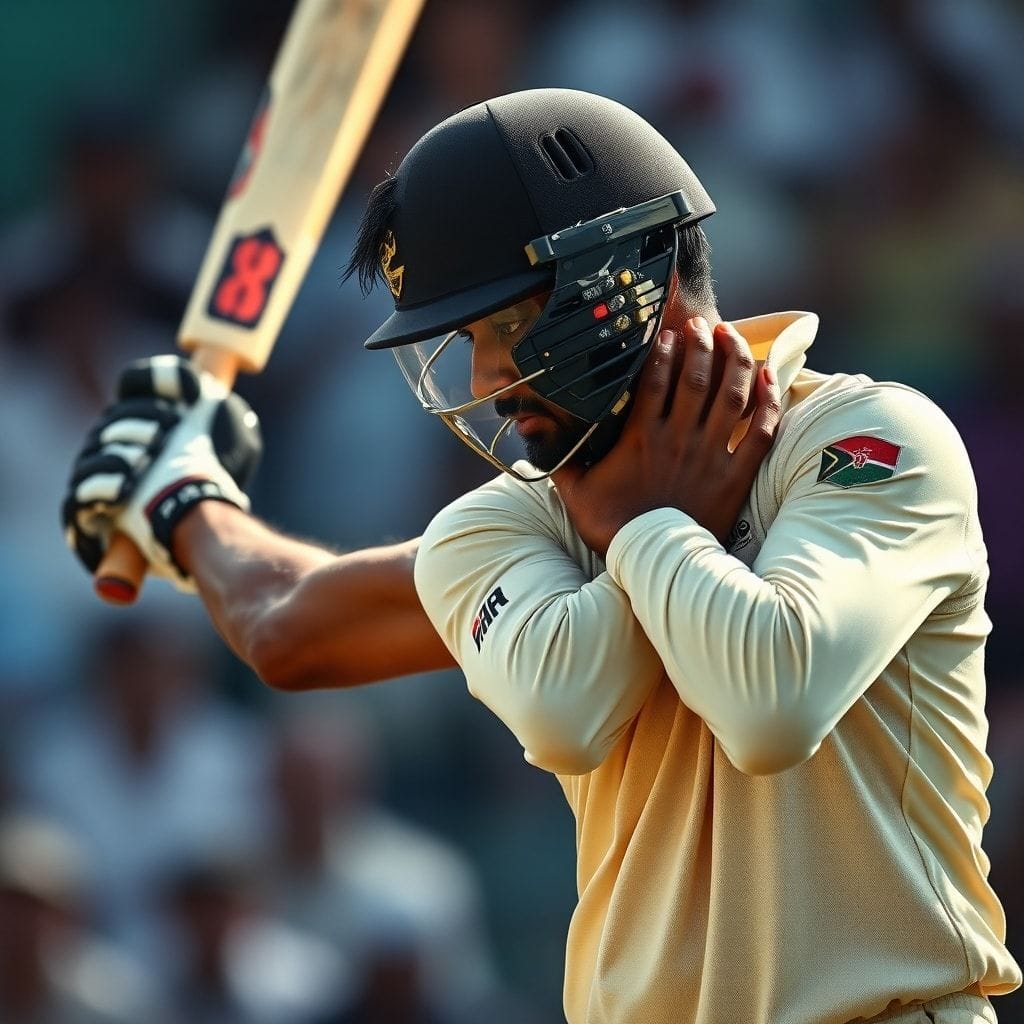
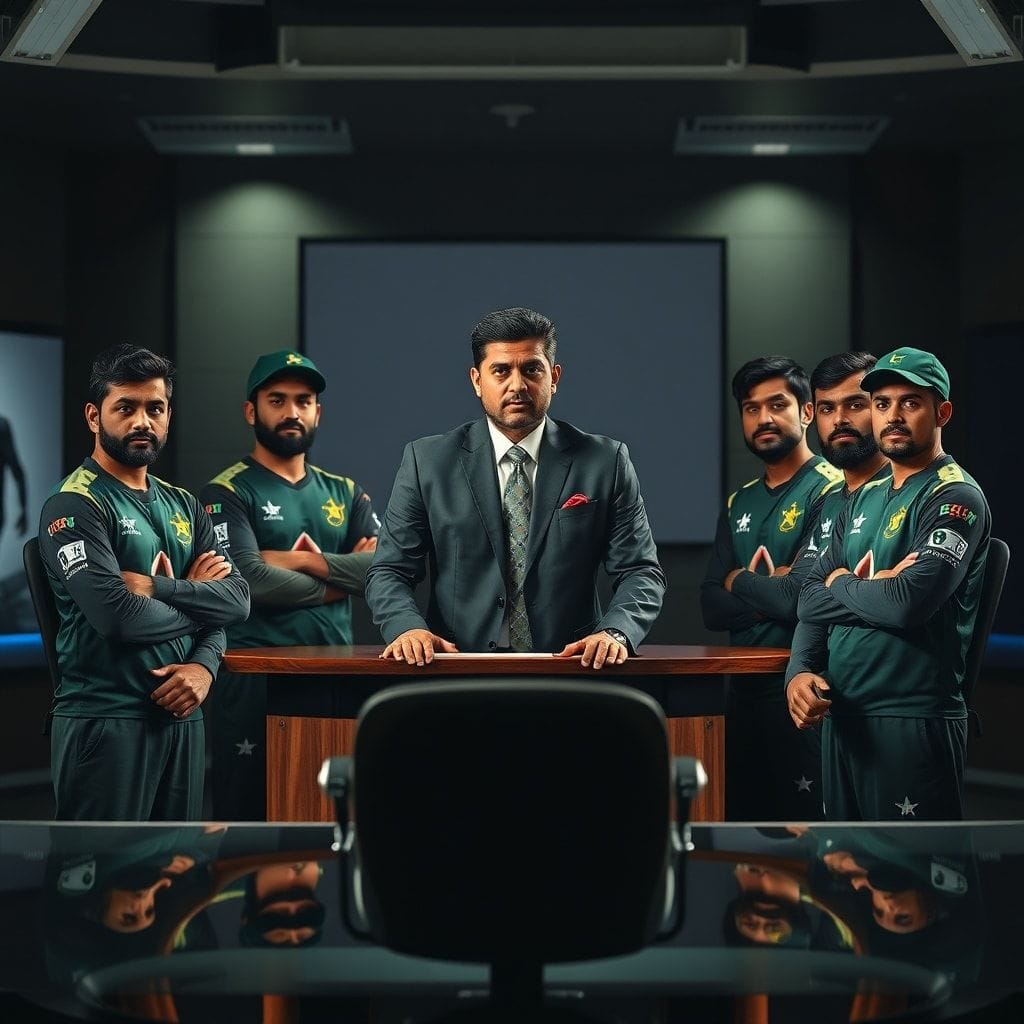
Pakistan have unveiled a 15‑man ODI squad for the three‑match series in Dhaka, and the biggest headline is the omission of Babar Azam. Six uncapped faces join the group, signalling a decisive pivot after a disappointing T20 World Cup.
The Stats Behind the Strategy
| Player | ODI Avg (last 10) | Recent T20 Impact | Venue Suitability (Dhaka) |
|---|---|---|---|
| Shaheen Afridi (c) | 28.4 | 3/22 vs NZ, 2/18 vs AUS | Left‑arm swing thrives on Dhaka’s low‑bounce, green‑top pitch |
| Haris Rauf | 22.1 | 4/30 vs SA, 3/27 vs IND | Raw pace benefits from early‑day moisture at Shere Bangla |
| Sahibzada Farhan | 41.8 (career) | 383 runs, SR 160.25, 2 centuries in T20 WC | Explosive opening suits Dhaka’s short boundaries |
| Maaz Sadaqat | — (uncapped) | 258 runs, SR 178, 7 wickets in Rising Stars | All‑round flexibility ideal for flat Dhaka tracks |
| Mohammad Rizwan (wk) | 35.6 | 102* vs ENG, 68 vs WI | Experienced keeper handles Dhaka’s low‑pace seams |
Selectors have swapped experience for potential, betting that the raw energy of newcomers will translate into runs on a pitch that historically favours batters who can clear the in‑field. The decision to keep Shaheen as captain underlines a desire for continuity in leadership while the batting order is being rebuilt.
Tactical Blueprint for the Bangladesh Tour
Dhaka’s Shere Bangla National Stadium is notorious for its slow‑turning wickets after the first 30 overs. The bounce is predictable, but the surface can grip later on, rewarding patience and clever placement. Pakistan’s lineup now reads: Shaheen Afridi opening the bowling, Haris Rauf providing raw speed, and Mohammad Wasim Jr offering a wrist‑yorker variation. Spin will be shouldered by Abrar Ahmed (left‑arm orthodox) and the tall right‑arm Faisal Akram, both capable of exploiting the subtle turn that appears on the fourth day of a match.
Batting is the real experiment. With Babar out, the top order likely opens with Sahibzada Farhan, who can take the attack to the boundary and relieve pressure. Maaz Sadaqat, a power‑hitting all‑rounder, could slot at number three, using his ability to accelerate after a steady start. The middle order leans on the dependable Mohammad Rizwan, whose experience in sub‑continental conditions makes him a natural anchor. The lower order contains Salman Ali Agha and Faheem Ashraf, both comfortable rotating strike and adding extra overs if the top order collapses.
Player Mindset and Role Evolution
Shaheen Afridi’s captaincy now carries a dual burden: fielding a youthful squad while preserving Pakistan’s reputation as a competitive ODI side. He has publicly spoken about “building a future that respects the past”, a subtle nod to Babar’s contribution and a call for unity. For the uncapped players, the tour is a passport to legitimacy. Sahibzada Farhan will be judged on whether his T20 fireworks can translate to the longer 50‑over format, where strike‑rate matters less than innings building. Maaz Sadaqat’s all‑round skill set gives him a tactical edge; he can be deployed as a finisher or a fifth bowler depending on match flow.
Veteran Mohammad Rizwan is likely to take a mentorship role, guiding the newcomers through the nuances of pacing an innings on slower tracks. His presence also assures the board and fans that the wicket‑keeping department remains uncompromised.
Implications for the ODI Calendar
The series against Bangladesh is the first ODI engagement for Pakistan ahead of the 2026 Cricket World Cup qualifiers. A strong showing could cement Shaheen’s leadership and give the youngsters a psychological edge heading into larger tournaments. Conversely, a poor performance would intensify calls for a reshuffle, perhaps even resurrecting Babar’s chances if the board feels the experiment has failed.
Bangladesh, on home soil, will field a side accustomed to the rhythm of Dhaka’s wickets. Their spin trio—Mehidy Hasan, Taijul Islam, and Abdur Razzak—thrives on the same turn Pakistan hopes to exploit with Abrar Ahmed and Faisal Akram. The contest will likely hinge on who can better adapt their bowling plans to the evolving pitch conditions.
Fan Perspective and Grounded Opinions
Supporters are divided. A vocal segment feels the decision to drop Babar is a betrayal of a player who has consistently delivered in high‑pressure games. Social media threads echo disappointment, citing his average of 53.8 in ODIs over the past three years. Another camp applauds the boldness, viewing the inclusion of six rookies as a necessary reset after the T20 World Cup flop.
From a street‑level viewpoint, the excitement lies in the unknown. Young fans in Lahore and Karachi are already crafting memes about Farhan’s potential “century streak” in ODIs, while seasoned followers voice concerns about the lack of a middle‑order stabiliser should early wickets fall.
Ultimately, the series will serve as a litmus test for the PCB’s long‑term vision. If the new core can post competitive totals and take wickets on Dhaka’s known‑slow decks, the narrative will shift from “Babar‑less experiment” to “Pakistan’s next generation taking charge”.
Cricket Desk: Want more on Associate cricket strategy? Check out our Associate cricket strategy Latest News & Stats.