Mumbai Indians’ Record Chase at Wankhede: Strategy, Stats, and Spirit
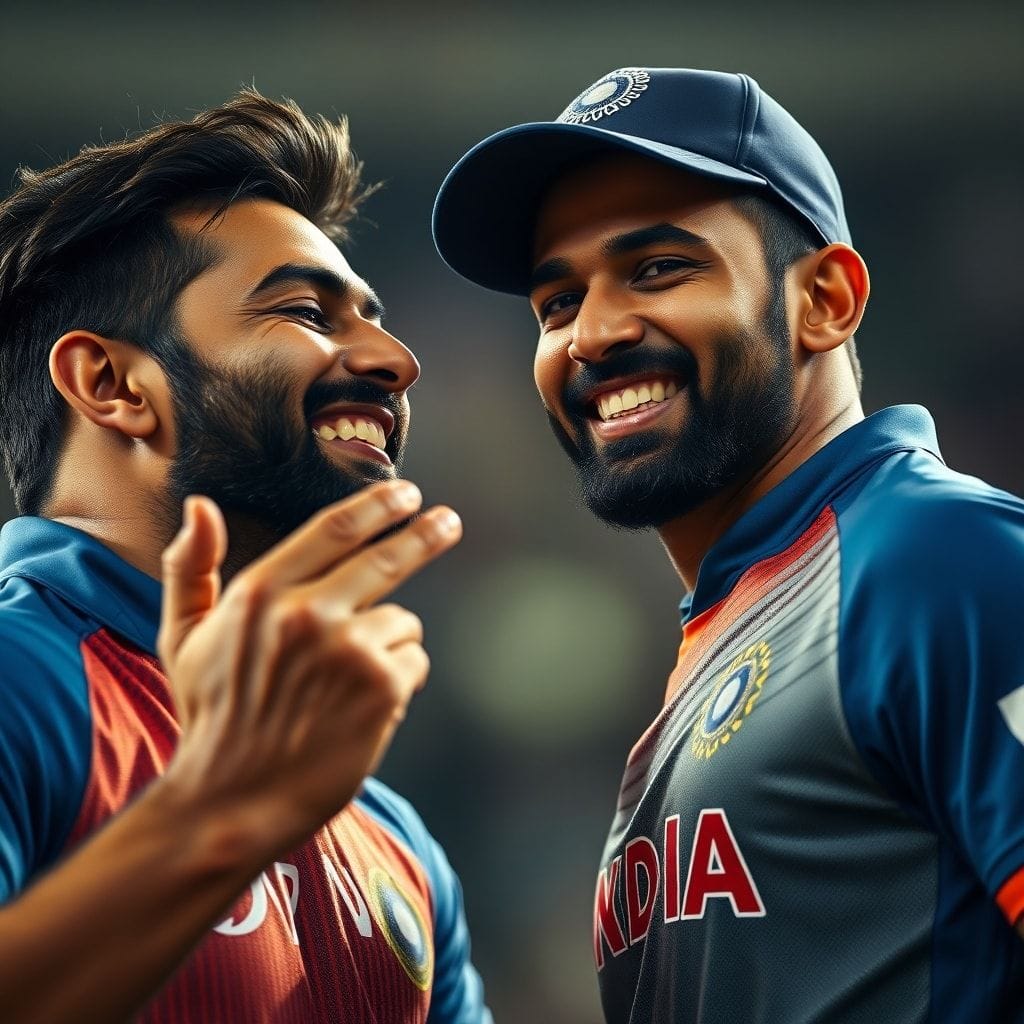
Monday night at the Wankhede Stadium turned into a cricket‑theatre of emotions, as Mumbai Indians chased down a 221‑run target against Kolkata Knight Riders. Beyond the fireworks of a record chase, a light‑hearted exchange between veteran Rohit Sharma and injured captain Ajinkya Rahane added a human touch that kept fans talking.
The win snapped MI’s fourteen‑year habit of stumbling in the opening IPL match, while also gifting Rohit the highest aggregate against a single opponent in the tournament’s history. For a league that thrives on drama, the blend of high‑octane batting and camaraderie offered a perfect snapshot of why the IPL feels like a family gathering on a grand stage.
The Stats Behind the Strategy
| Player | Runs | Balls | Strike Rate | Key Contribution |
|---|---|---|---|---|
| Rohit Sharma | 78 | 38 | 205.26 | Anchored chase with six fours and six sixes, broke Kohli’s opponent‑specific run record. |
| Ryan Rickelton | 81 | 45 | 180.00 | Set up 148‑run opening stand, neutralised KKR’s new‑ball bowlers. |
| Ajinkya Rahane (KKR) | 67* | 40 | 167.50 | Provided strong platform before injury, kept KKR in the game. |
| Kartik Tyagi (KKR) | 0 | 4 | 0.00 | Early wicket, felt pressure of Wankhede’s bounce. |
Wankhede’s notorious red‑soil pitch offers extra bounce for fast bowlers but also rewards batsmen who can rotate the strike early. The decision to open with Rohit and Rickelton was a textbook response: one player with classic lofted drives, another comfortable with the sweep and the square‑of‑the‑leg cut. The partnership’s run‑rate of 13.1 per over meant KKR never got past the 100‑run mark before the 11th over, a psychological wall that MI smashed through.
Tactical Moves and Team Decisions
MI’s captain chose to keep the same opening pair that had been successful in the last two IPL seasons. The logic was simple: familiarity breeds confidence, especially on a pitch that rewards aggressive intent. When the target seemed steep, Rohit’s decision to go for the sixes early forced KKR’s bowlers into defensive lines, reducing their wicket‑taking chances.
Meanwhile, KKR’s field placement reflected a classic chase‑scenario – deep mid‑wickets and long‑on to stop the lofted shots. The captain’s injury forced a reshuffle: vice‑captain Rinku Singh, a left‑handed pinch‑hitter, came in at number six, altering the batting order’s momentum. The change underlined the fine balance between preserving wickets and accelerating the run‑rate in the death overs.
Player Mindsets and the Wankhede Factor
Rohit Sharma’s innings was a blend of swagger and purpose. He knew the Wankhede crowd could turn on a dime; a 78‑run blitz sealed the deal while also sending a message to rivals. His body language – relaxed shoulders, eyes on the ball – hinted at a mindset that treats big chases as puzzles rather than pressure cooker.
Rickelton, fresh from South Africa’s domestic circuit, displayed adaptiveness. He mixed traditional drives with innovative scoops, exploiting the low‑trajectory bounce that the venue offers to those who stay low. His ability to find gaps along the on‑side reflected a quick reading of the pitch’s seam‑friendly nature.
On the other side, Rahane’s 67‑run cameo displayed his trademark patience. Even with the calf cramp warning, he managed a strike rate above 160, showing he was prepared to shoulder the responsibility of a chase on a pitch where the ball can rise sharply. The injury, forced a shift in KKR’s mental compass, moving from a controlled chase to a scramble for runs.
Tournament Impact and What Lies Ahead
MI’s victory puts them atop the points table with a net‑run‑rate advantage that could prove decisive in a tightly contested group. The win also sends a clear statement: they can chase anything on a home ground that favours both bounce and turn. For KKR, the loss reveals a vulnerability in handling high‑pressure moments when a key player exits early.
Looking forward, MI’s blend of seasoned campaigners and emerging talent forces other franchises to rethink their opening strategies, especially on sub‑continental pitches. KKR will need to manage Rahane’s fitness and perhaps rotate the captaincy if injuries persist, while also reinforcing their death‑over bowling to counter power‑hitters like Rohit.
Fans, Social Media, and the Human Angle
While the stats get dissected on television, the viral clip of Rohit mimicking a dance as Rahane limped off sparked a wave of memes and affectionate comments. Fans highlighted the “Mumbai bond” – a reminder that even in a cut‑throat league, camaraderie survives. The moment reminded viewers that cricket is as much about emotion as it is about numbers.
For the average supporter, the night was a roller‑coaster: joy at a historic chase, concern for an injured captain, and amusement at a light‑hearted gesture. The mix of drama and humour encapsulated why the IPL feels like a weekly festival for millions, where every ball can rewrite a story and every reaction can become a trending tweet.
Cricket Desk: Want more on 2026 IPL? Check out our 2026 IPL Latest News & Stats.