BAN vs PAK: Mohammad Kaif Shares His Verdict on Salman Agha’s Controversial Run-Out
The second ODI between Bangladesh and Pakistan at Dhaka’s Sher-e-Bangla National Stadium turned into a talking point far beyond the runs on the board. A controversial run‑out of Salman Ali Agha sparked a debate on cricketing ethics, while the match itself decided the series with Pakistan leveling it 1‑1.
The Stats Behind the Strategy
| Team | Runs | Wickets | Key Performers |
|---|---|---|---|
| Pakistan | 274 (48 overs) | 3 | Maaz Sadaqat 75 (46), Agha 64, Shaheen Afridi 2/26, Haris Rauf 1/22 |
| Bangladesh | 114 (29.3 overs) | 9 | Tawhid Hridoy 2/31, Litton Das 21, Mehidy Hasan Miraz 0/30 |
Behind the numbers, the damp pitch after the rain delay gave extra seam and swing. Pakistan’s pacers kept the ball low, exploiting the green‑top conditions, while Bangladesh’s middle order collapsed once the new ball was taken.
Tactical Choices at Sher-e‑Bangla
Bangladesh’s captain opted to bowl his five frontline pacers straight after the rain, banking on the moisture‑enhanced pitch. Mehidy Hasan Miraz, usually a spinner, was used as a fifth seamer and his quick‑handed grab of the ball at the non‑striker’s end was the flashpoint of the controversy. The decision to appeal on a run‑out that technically complied with MCC Law 37.4 but violated the spirit of the game raised eyebrows across the cricketing world.
Pakistan, on the other hand, stuck to a classic power‑play plan: an aggressive top‑order partnership to set a platform, followed by a double‑pronged fast‑bowling attack. Maaz Sadaqat’s 75 off 46 balls illustrated the modern ODI emphasis on rapid scoring, while Shaheen Afridi’s tight lines in the death overs neutralised Bangladesh’s lower order.
Player Roles and Mindset
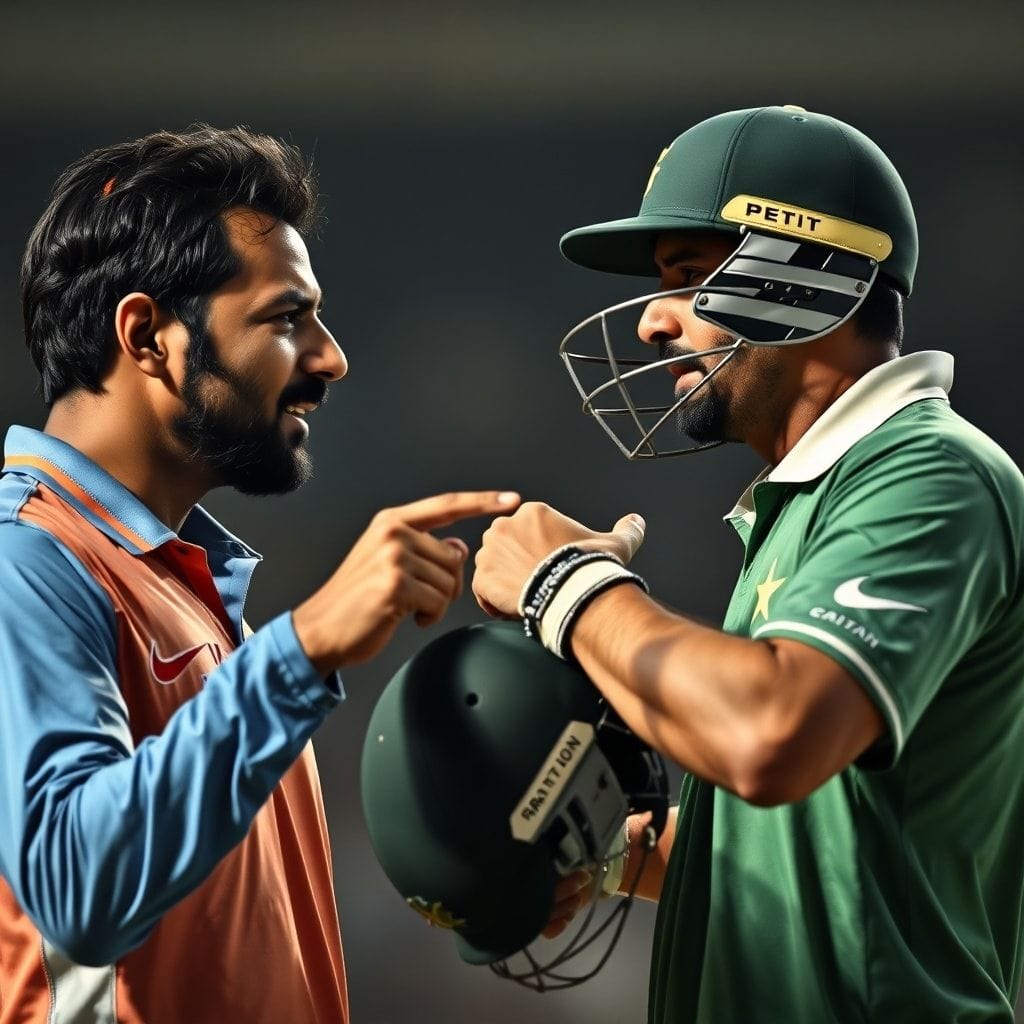
Salman Ali Agha was perched at 64, smiling at the possibility of a quick fifty. His instinct to return the ball to Miraz was routine, yet the unexpected appeal threw him off balance. His reaction—throwing his helmet in frustration—showed a player caught between competitive fire and a sense of being wronged.
Mehidy Hasan Miraz, normally the spin anchor, was thrust into a fast‑bowling role. His decision to remove the bails was calculated, seeking a breakthrough before the chase tightened. Whether driven by personal pressure or team expectations, the move highlighted how roles can blur under pressure.
Mohammad Kaif’s tweet acted as a moral compass for young cricketers. By condemning the action, he reminded the community that “sport without fair play is no sport”, reinforcing the cultural fabric of cricket beyond mere statistics.
Tournament Impact and What Comes Next
With the series leveled, the final ODI on March 15 becomes a winner‑takes‑all showdown. Pakistan’s confidence is buoyed by a 128‑run victory, yet they must guard against complacency. Bangladesh will look to tighten field placements and perhaps reconsider aggressive appeals that could cost them goodwill.
If Bangladesh wins the decider, they’ll have salvaged pride after a season of mixed results. For Pakistan, a series win would cement their resurgence after a low‑scoring first ODI, boosting morale ahead of upcoming ICC commitments.
Fan Perspective and Grounded Opinions
On social media, Bangladeshi fans split between defending Miraz’s legality and lamenting a breach of spirit. Many pointed out that the laws are clear, yet the unwritten code of conduct matters more in the eyes of the community.
Pakistani supporters praised the team’s resilience but also expressed disappointment over the controversy, fearing it could tarnish a hard‑earned victory. Meanwhile, neutral observers called for the ICC to issue clearer guidance on run‑outs that arise from ball‑return actions.
In the stands, the crowd’s reaction was a mix of boos and cheers, reflecting the complex emotions that such a moment can stir. The incident reminds us that cricket’s allure lies not only in runs and wickets but also in the shared values that bind the sport.
Cricket Desk: Want more on Bangladesh vs Pakistan? Check out our Bangladesh vs Pakistan Latest News & Stats.